

Definition: “Tefillin” are small black leather boxes containing Hebrew scriptures, worn by observant Jewish men during weekday morning prayers. One box is bound to the forehead, and the other to the arm, with leather straps wrapping around the arm and hand. Etymology: The word “tefillin” comes from the Hebrew root “פלל” (palal), meaning “to judge”… Continue reading Tefillin
Category: Headwear
Box of Shame
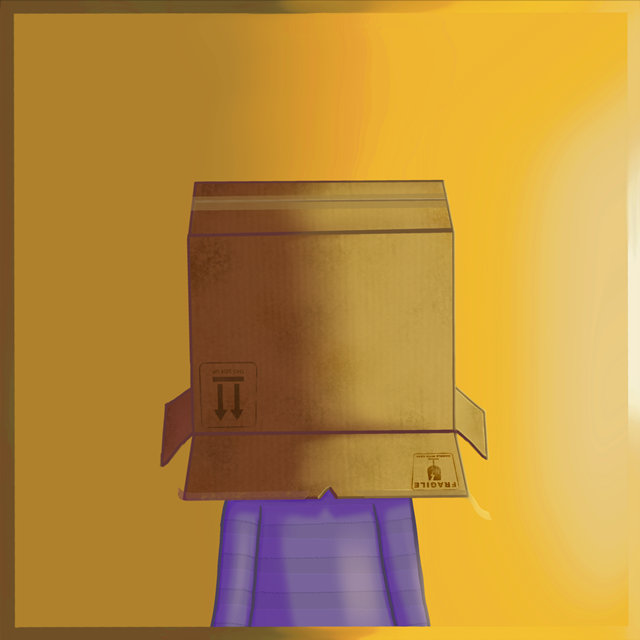
Definition: A “box of shame” is a metaphorical and visual representation of shame, embarrassment, or a desire to hide from judgment, usually by wearing a cardboard box over one‘s head or simply hiding in a cardboard box. Etymology: The word “box” comes from the Latin “buxus,” which originally referred to the boxwood tree, and later… Continue reading Box of Shame
Flower Crown
Definition: A “flower crown” is a circular arrangement of flowers, leaves, and sometimes other decorative elements worn on the head. Etymology: The term “flower crown” combines “flower,” from the Old French “flur,” meaning bloom or blossom, and “crown,” from the Old French “corone,” meaning a circular headdress. Description: It is often used as an accessory… Continue reading Flower Crown
Crown
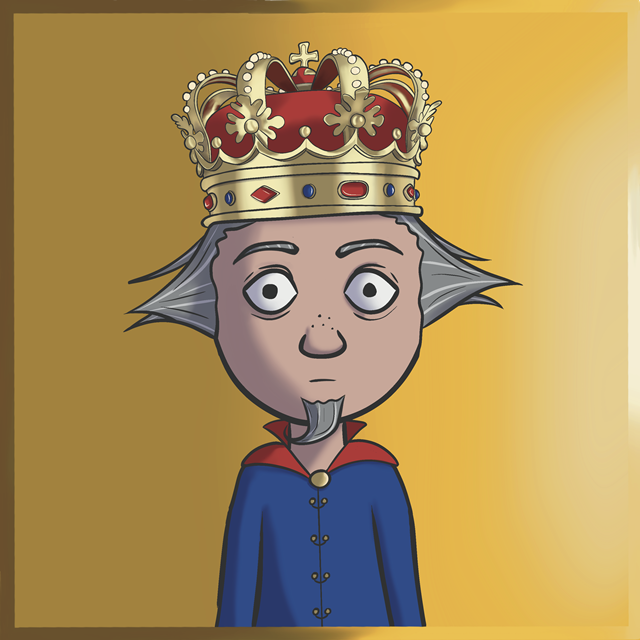
Definition: A “crown” is a ceremonial headpiece worn by royalty or deities as a symbol of authority, power, and legitimacy. Crowns are typically ornate, made of precious metals and jewels, and are used in various cultural and religious ceremonies. Etymology: The word “crown” comes from the Latin “corona,” meaning “wreath” or “garland.” The term evolved… Continue reading Crown
Santa Hat
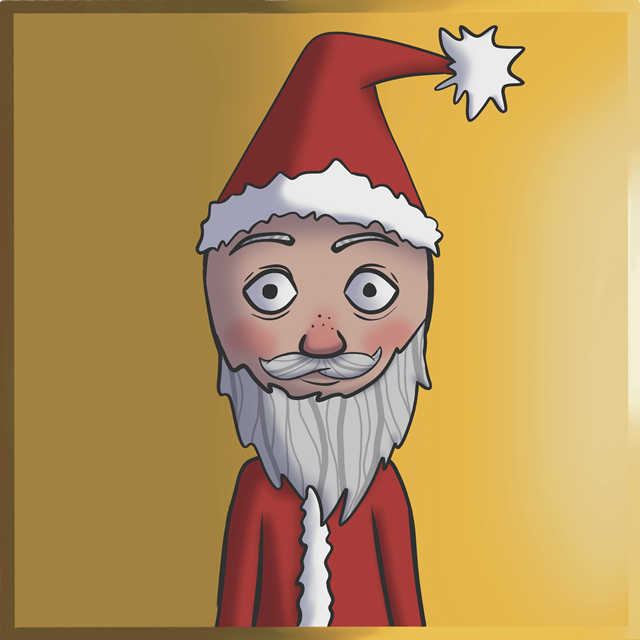
Definition: A “Santa hat” is a festive piece of headwear typically worn during the Christmas season. Etymology: The term “Santa hat” is derived from “Santa Claus,” the popular figure associated with Christmas, combined with “hat,” from the Old English “hætt,” meaning a head covering. Symbolism: The Santa hat symbolizes Christmas. It is closely associated with… Continue reading Santa Hat
Dunce Cap
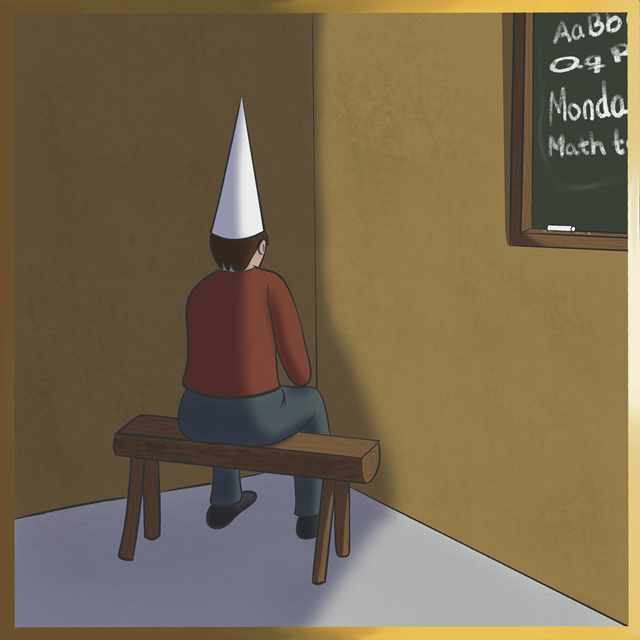
Definition: A “dunce cap” is a tall conical hat historically used as a form of punishment in schools. Etymology: The term “dunce” originates from the name of John Duns Scotus, a medieval Scottish scholar. His followers, known as Dunsmen or Dunses, were known for their resistance to new ideas in the Renaissance period, leading the… Continue reading Dunce Cap
Witch’s Hat
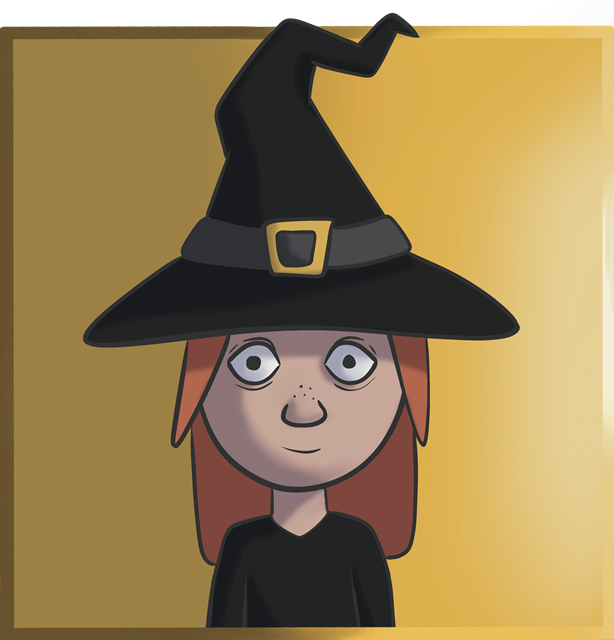
Definition: A “witch’s hat” is a hat worn by a witch. It’s typically a tall pointed, cone-shaped black hat with a wide brim. Etymology: The term “witch” comes from the Old English “wicce” (feminine) or “wicca” (masculine), which means a person who practices sorcery or magic. The word “hat” comes from the Old English “hætt,”… Continue reading Witch’s Hat
Wizard’s Hat
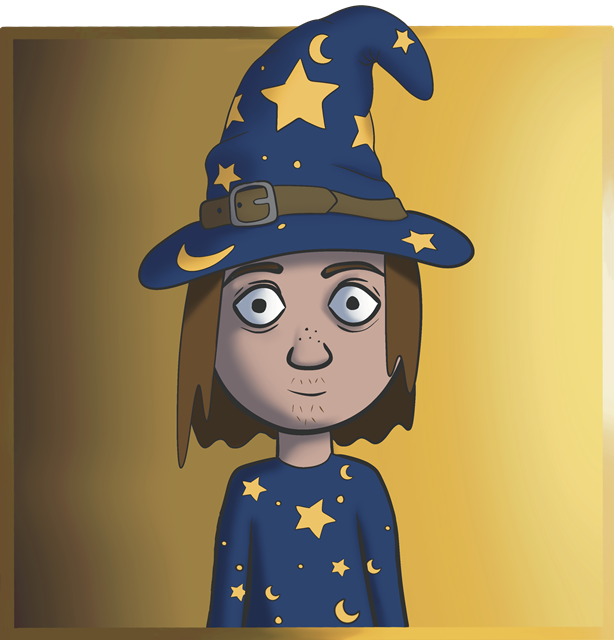
Definition: A “wizard’s hat” is a hat worn by a wizard. It’s typically a tall pointed, cone-shaped hat with a wide brim, adorned with stars, moons, or other mystical symbols. Etymology: The term “wizard” comes from the Middle English “wysard,” which means “wise man,” derived from the Old English “wis” meaning “wise.” “Hat” comes from… Continue reading Wizard’s Hat
Party Hat
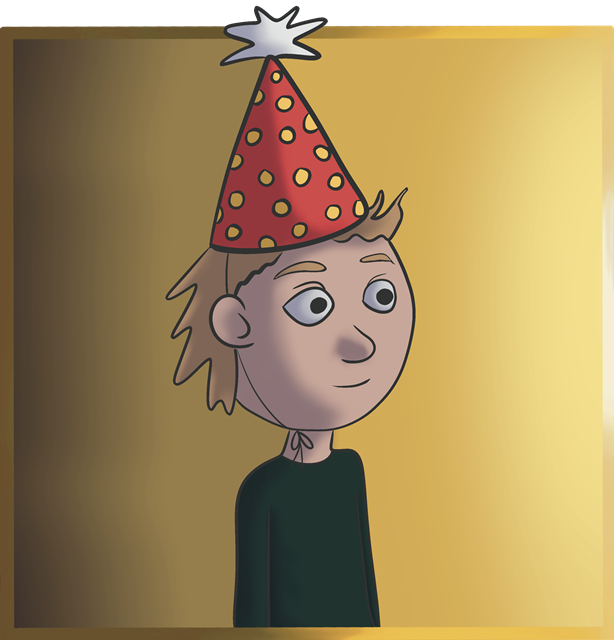
Definition: A “party hat” is a festive accessory typically worn at celebrations such as birthdays, New Year Transition, and other joyous events. Etymology: The term “party hat” combines “party,” which comes from the Old French “partie” meaning “a division or part” and evolved to refer to social gatherings, and “hat,” from the Old English “hætt,”… Continue reading Party Hat