
Definition: “Easter decorations” refer to the various items and ornaments used to celebrate and symbolize the Easter holiday. Etymology: The word “Easter” comes from the Old English “Ēastre” or “Ēostre,” which is derived from the name of a pagan spring festival celebrating renewal and rebirth. The word “decoration” comes from the Latin “decorare,” meaning “to… Continue reading Easter Decoration
Category: Decoration
Easter Egg
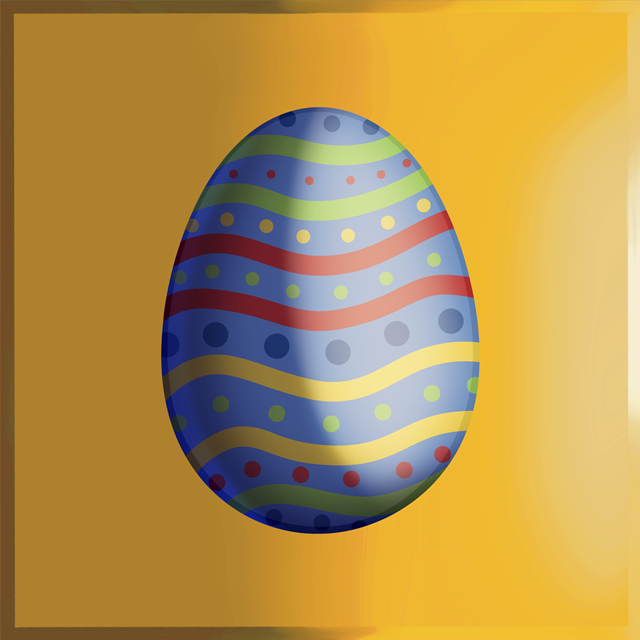
Definition: “Easter eggs,” or “Paschal eggs,” are decorative eggs that are often given as gifts, used in hunts, or served as part of Easter celebrations. They can be real eggs dyed and decorated, chocolate eggs, or plastic eggs filled with treats. Etymology: The term “Easter egg” combines “Easter,” the Christian holiday celebrating the resurrection of… Continue reading Easter Egg
Easter Chicken
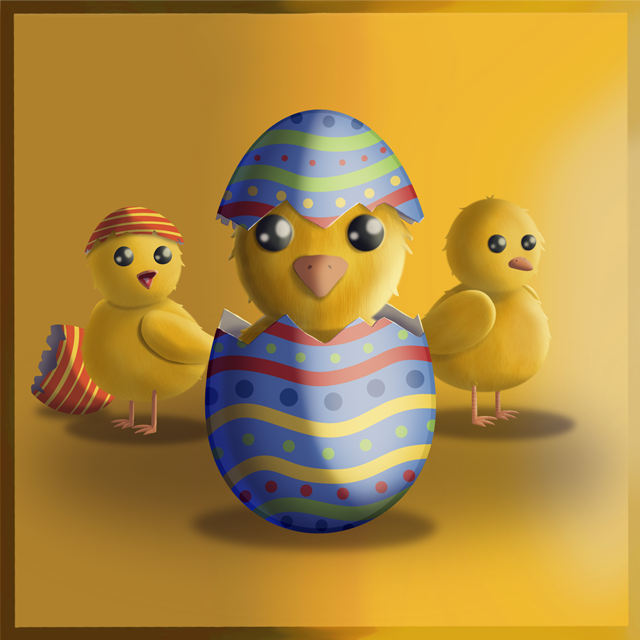
Definition: The “Easter chicken,” often referred to as the “Easter chick,” is a symbol associated with the Easter holiday. Etymology: The term “Easter chicken” or “Easter chick” combines “Easter,” the Christian holiday celebrating the resurrection of Jesus Christ, and “chicken” or “chick,” referring to the young bird that hatches from an egg. Description: Easter chicks… Continue reading Easter Chicken
Easter Candle
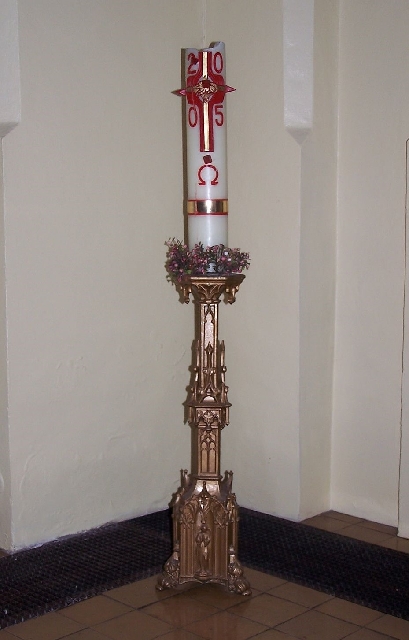
Definition: The “Easter candle,” also known as the “Pascal candle,” is a large, white candle used in liturgical celebrations in many Christian denominations, particularly during the Easter season, but also during baptisms and funerals. Etymology: The term “Paschal” comes from the Hebrew word “Pesach,” meaning Passover, which in Christian tradition has come to be associated… Continue reading Easter Candle
Easter Bunny
Definition: The “Easter Bunny” is a fictional character and symbol of Easter, depicted as a rabbit that brings Easter eggs to children. It is a beloved character in many Western cultures, often involved in Easter egg hunts and other holiday traditions. Etymology: The term “Easter Bunny” combines “Easter,” the Christian holiday celebrating the resurrection of… Continue reading Easter Bunny
Mistletoe
Definition: “Mistletoe” is a parasitic plant that grows on the branches or trunks of trees. It is known for its small, white berries and green, leathery leaves. Etymology: The word “mistletoe” comes from the Old English “misteltān,” which is derived from “mistel” (meaning “dung”) and “tān” (meaning “twig”). The name reflects the plant’s seed dispersal… Continue reading Mistletoe
Christmas Gift
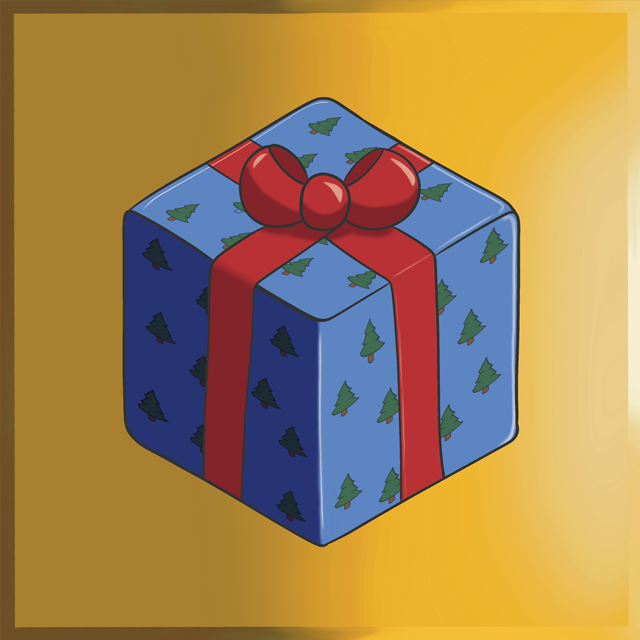
Definition: A “Christmas gift” is a present given during the Christmas season to celebrate the holiday, express love and gratitude, and share joy with others. Etymology: The term “Christmas” comes from Old English “Cristes mæsse,” meaning “Christ’s Mass,” and “gift” comes from Old English “gift,” meaning “something given.” The English word “gift” and the German… Continue reading Christmas Gift
Advent Candelabra
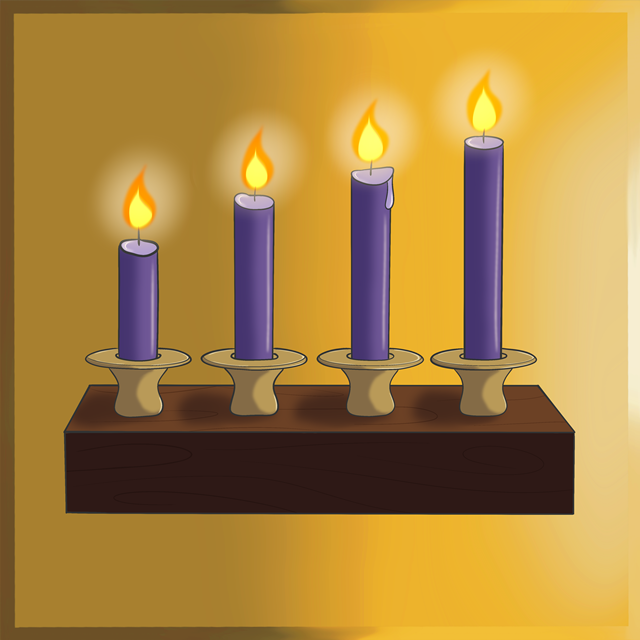
Definition: An “Advent candelabra,” or “Advent wreath” is a traditional Christian symbol used during the season of Advent to prepare for the coming of Christ at Christmas. Etymology: The word “Advent” comes from the Latin “adventus,” meaning “coming” or “arrival,” referring to the coming of Christ. “Candelabra” is derived from the Latin word “candelabrum,” meaning… Continue reading Advent Candelabra
Santa Claus
Definition: “Santa Claus” is a legendary fictional character associated with Christmas, known for delivering gifts to children around the world on Christmas Eve. Etymology: The name “Santa Claus” is derived from the Dutch name “Sinterklaas,” which in turn is a shortening of “Sint Nicolaas,” meaning Saint Nicholas. Description: Santa Claus is often depicted as a… Continue reading Santa Claus
Christmas Decoration
Definition: “Christmas decorations” are symbols, such as ornaments, lights, and other items used to adorn homes, public spaces, and sometimes people, during the Christmas season. Etymology: The word “Christmas” comes from Old English “Cristes mæsse,” meaning “Christ’s Mass,” and “decoration” from the Latin “decorare,” meaning “to adorn.” Description: Most people who celebrate Christmas use decorations… Continue reading Christmas Decoration
Pine Cone
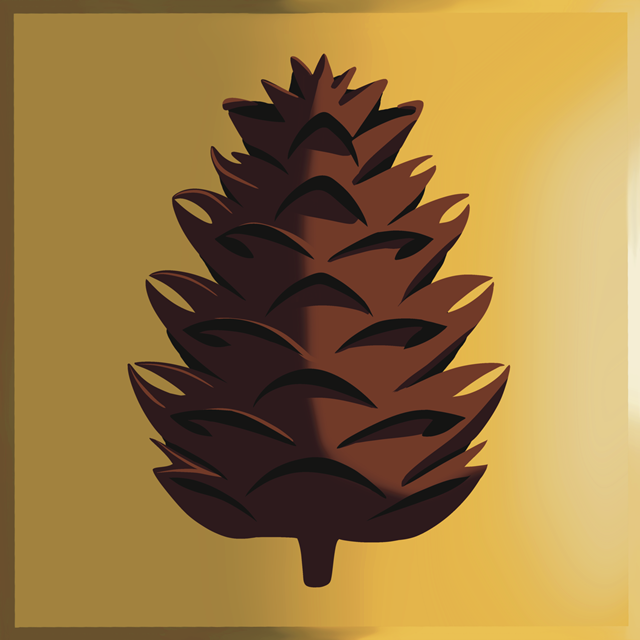
Definition: “Pine cones,” also known as “conifer cones,” are seed-bearing structures produced by pine trees. Etymology: The term “pine cone” comes from the Old English “pīn,” meaning “pine tree,” and “cone,” from the Latin “conus,” meaning “cone-shaped.” The name reflects the cone-like shape of these structures. Description: There are two main types of pine cones:… Continue reading Pine Cone
Christmas Tree
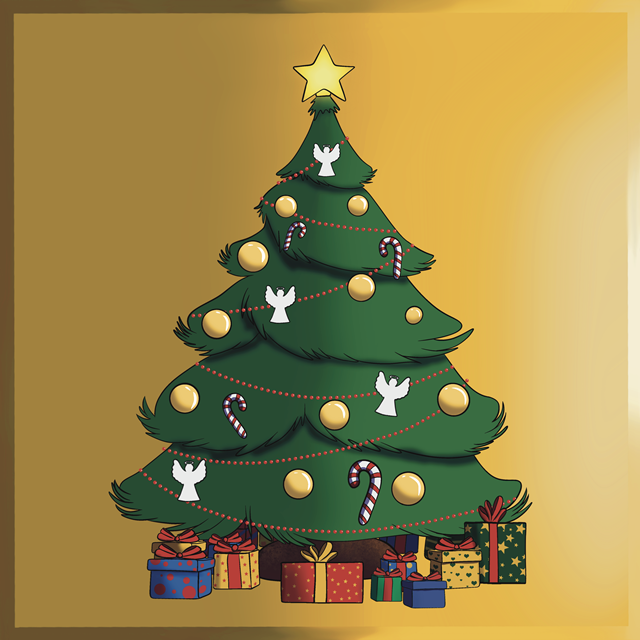
Definition: A “Christmas tree” is an evergreen tree, often a fir, spruce, or pine, decorated with lights, ornaments, tinsel, and other Christmas decorations. Etymology: The term “Christmas tree” combines “Christmas,” which comes from the Old English “Cristes mæsse,” meaning “Christ’s Mass,” and “tree,” from the Old English “trēow,” meaning a large plant with a trunk… Continue reading Christmas Tree
Flag
Definition: A “flag” is a piece of fabric, often rectangular or square, that is attached by one edge to a pole or rope. Etymology: The word “flag” comes from the Middle English word “flagge,” which likely has Scandinavian origins. It is related to the Old Norse word “flog,” meaning “a piece of cloth” or “a… Continue reading Flag
Emblem
Definition: An “emblem” is a symbolic representation, often consisting of a design, picture, or object, that serves as a recognizable sign or mark of an idea, organization, nation, or individual. Etymology: The word “emblem” comes from the Middle French word “emblème,” which in turn comes from the Latin “emblema,” meaning “an inlaid or mosaic work.”… Continue reading Emblem