
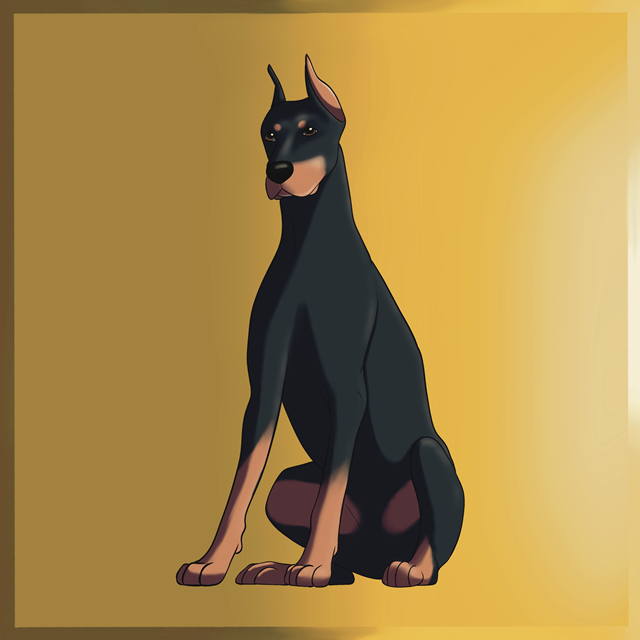
Definition: A “dog” is a domesticated mammal of the species Canis lupus familiaris. Etymology: The word “dog” comes from the Old English “docga,” a term used to describe a powerful breed of dog in medieval times. The precise origins of the word are unclear, but it has been used in the English language since at… Continue reading Dog
Category: The Animal Kingdom
Sheep, Wolves, and Shepherds
Definition: “Sheep, wolves, and shepherds” are often used metaphorically to represent different roles and dynamics within a group or society. Etymology: Sheep: From the Old English “sceap” or “scep.” Wolves: From the Old English “wulf.” Shepherds: From the Old English “sceaphierde,” combining “sceap” (sheep) and “hierde” (herder). Description: In the Bible, sheep often represent the… Continue reading Sheep, Wolves, and Shepherds
Wolf
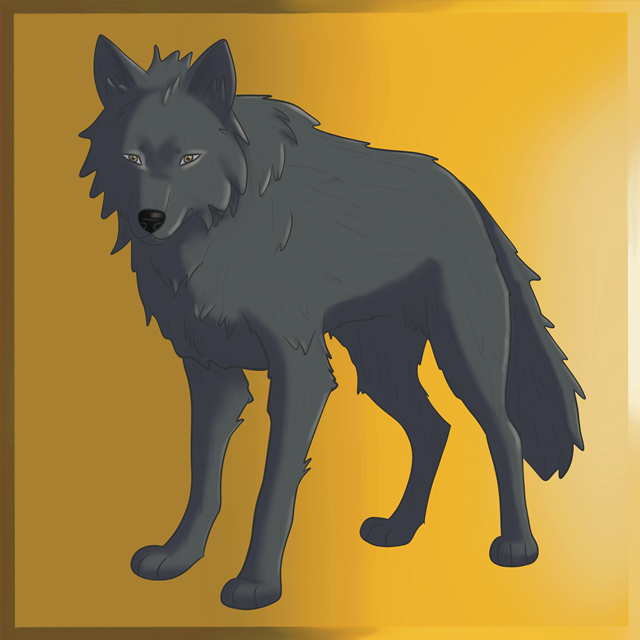
Definition: A “wolf” is a large carnivorous mammal belonging to the Canidae family, specifically the species Canis lupus. Wolves are known for their keen hunting skills, social structure, and adaptability. They are native to wilderness and remote areas of Eurasia and North America. Etymology: The word “wolf” comes from the Old English “wulf,” which is… Continue reading Wolf
Sheep
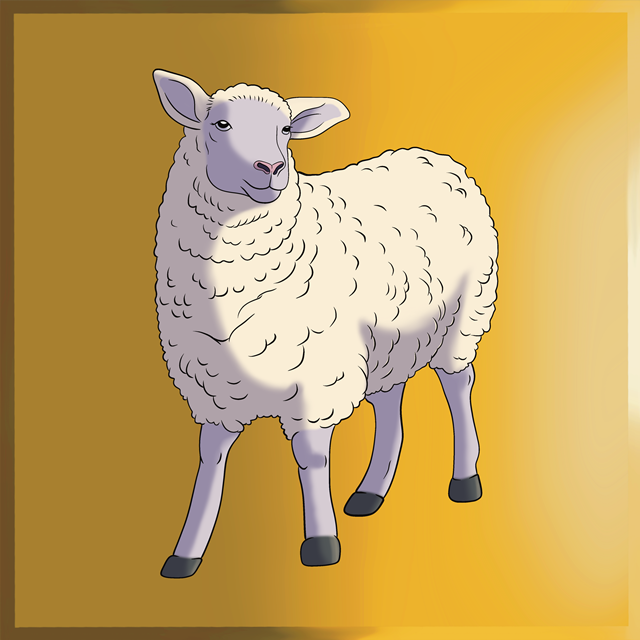
Definition: “Sheep” are domesticated ruminant mammals of the species Ovis aries, raised for their wool, meat (lamb and mutton), and milk. They are one of the earliest animals to be domesticated and have played a significant role in agriculture and human culture for thousands of years. Etymology: The word “sheep” comes from the Old English… Continue reading Sheep
Krill
Definition: “Krill” are small, shrimp-like marine crustaceans of the order Euphausiacea. They are found in all the world’s oceans and play a crucial role in the aquatic food web, serving as a primary food source for many larger marine animals such as whales, seals, penguins, and fish. Etymology: The word “krill” comes from the Norwegian… Continue reading Krill
Beehive
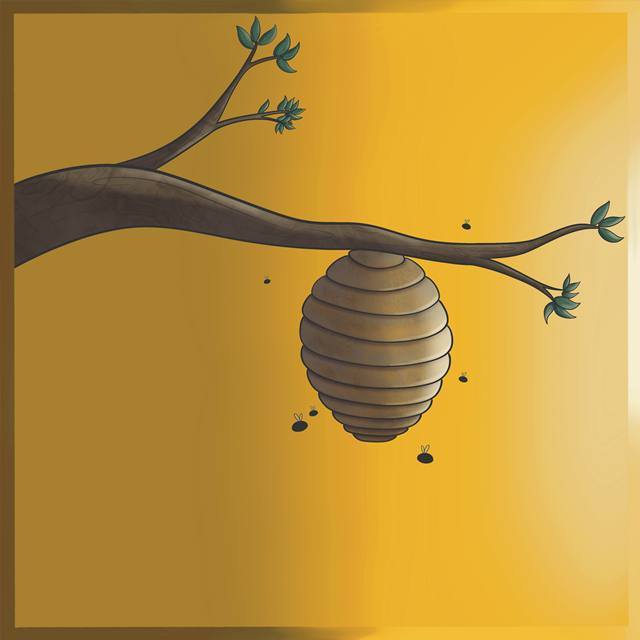
Definition: A “beehive” is a structure created by bees or provided by humans for bees to live in. It serves as a habitat for the colony, facilitating the production of honey, beeswax, and the rearing of young bees. In nature, beehives are often found in hollow trees or rock crevices, while human-made beehives, also known… Continue reading Beehive
Bee
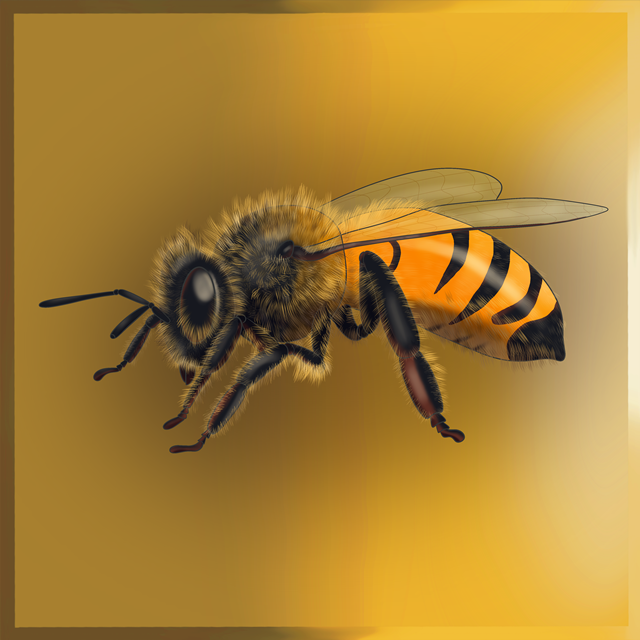
Definition: A “bee” is a flying insect belonging to the superfamily Apoidea, known for its role in pollination and, in the case of the best-known species, the European honeybee, for producing honey and beeswax. Etymology: The word “bee” comes from the Old English “bēo,” which is derived from the Proto-Germanic “bion” and the Proto-Indo-European “bhei,”… Continue reading Bee
Anthill
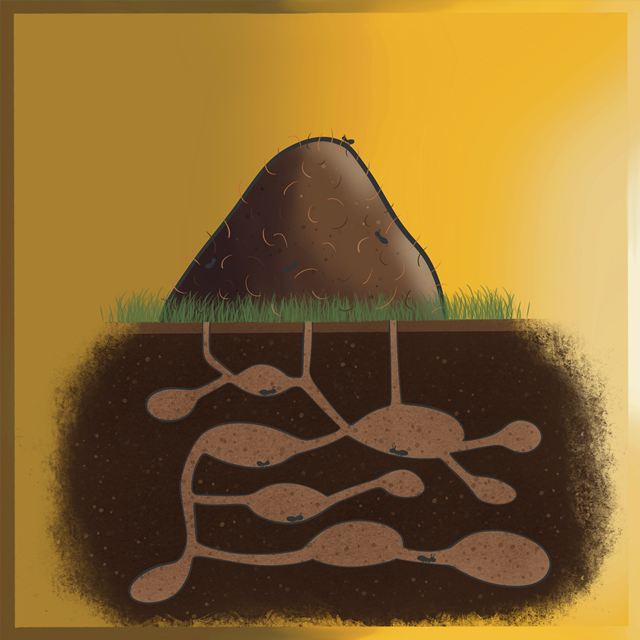
Definition: An “anthill” is a mound-like structure built by ants, consisting of soil, sand, or other materials, which serves as the entrance and ventilation system to their underground colony. It provides protection and a habitat for the ant colony, which includes chambers and tunnels where the ants live, work, and store food. Etymology: The term… Continue reading Anthill
Ant Mill

Click to watch the video. Definition: An “ant mill,” also known as a “death spiral,” or “death circle,” is a phenomenon where a group of army ants (usually from the genus Eciton) become separated from their main foraging trail and begin to follow each other in a continuous, circular motion. This behavior can lead to… Continue reading Ant Mill
Ant
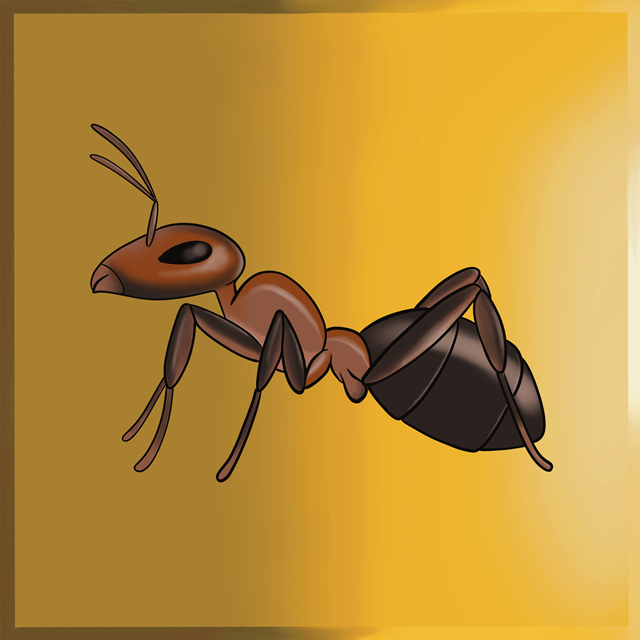
Definition: An “ant” is a small, social insect belonging to the family Formicidae, known for its complex social structures, cooperative behavior, and ability to build intricate nests. Etymology: The word “ant” comes from the Old English “æmette,” which is derived from the Germanic root “ēmaitijǭ,” meaning “the biter” or “the cutter.” This etymology reflects the… Continue reading Ant
Tree

Definition: A “tree” is a large perennial plant that typically has a trunk supporting branches and leaves. Etymology: The word “tree” comes from the Old English “trēow,” which is related to the Old Norse “tré” and the Gothic “triu,” all meaning “tree” or “wood.” Description: Tree species vary in size, shape, foliage, and reproductive methods.… Continue reading Tree
Spiderweb
Definition: A “spiderweb” (or “cobweb”) are networks of thin threads of silk spun by spiders to capture prey. Etymology: The word “spiderweb” comes from the Old English “spider” and “web,” where “web” means a woven fabric or a network. The term “cobweb” derives from the Middle English “coppe,” meaning spider. Description: Spiderwebs serve various purposes,… Continue reading Spiderweb
Staff of Asclepius
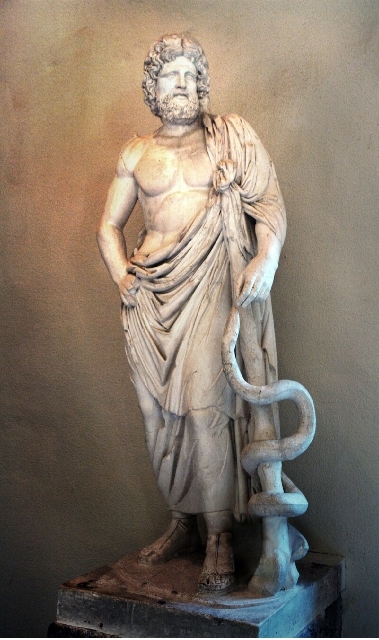
Definition: The “Staff of Asclepius”, also known as “Rod of Asclepius,” is a symbol associated with medicine and healthcare. It consists of a single serpent entwined around a rod. Etymology: The staff is named after Asclepius, the ancient Greek god of medicine and healing. The word “staff” comes from the Old English “stæf,” meaning a… Continue reading Staff of Asclepius
The Great Seal of the United States of America

Definition: “The Great Seal of the United States” is a national seal that symbolizes the authority and sovereignty of the federal government. Description: The Great Seal was adopted by the Continental Congress on June 20, 1782. The final design was created by Charles Thomson and William Barton, incorporating elements from earlier designs proposed by other… Continue reading The Great Seal of the United States of America
The Black Cat

Description: “The Black Cat,” also known as “The Black Cat of the industrial Workers of the World,” is a symbol of anarchism that dates back to the late 19th century. It became associated with anarchism during the Paris Commune of 1871 when anarchists adopted the black cat as a symbol of resistance. The black cat… Continue reading The Black Cat