

Definition: A “sword” is a bladed weapon used primarily for cutting or thrusting. Typically, it consists of a long metal blade attached to a hilt with a guard. Etymology: The word “sword” comes from Old English “sweord,” which is of Germanic origin. It is related to Old High German “swert,” Old Norse “sverð,” and Gothic… Continue reading Sword
Category: Weapon
Eye and Archery Bow

Definition: The “eye and archery bow” is a symbol that consists of a single eye and an archery bow. Etymology: “Eye” comes from Old English “ēage,” Proto-Germanic “augon,” Proto-Indo-European “okʷ-” (“to see”). “Bow” (in the archery sense) stems from Old English “boga,” meaning “arch” or “bend”, from Proto-Germanic “bugon,” PIE root “bheug-” (“to bend”). Symbolism:… Continue reading Eye and Archery Bow
Caduceus

Definition: The “caduceus” is a symbol traditionally associated with Hermes (Mercury in Roman mythology), the Greek god of messengers, commerce, and trade. It features a short staff entwined by two serpents, sometimes topped with a pair of wings. Etymology: The term “caduceus” comes from the Latin “caduceus,” derived from the Greek “kērykeion,” meaning “herald’s staff.”… Continue reading Caduceus
Staff of Asclepius
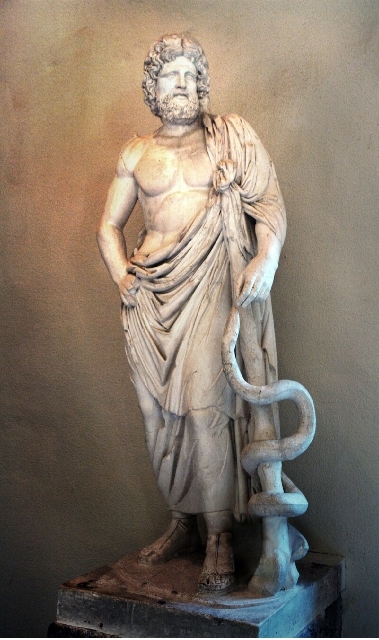
Definition: The “Staff of Asclepius”, also known as “Rod of Asclepius,” is a symbol associated with medicine and healthcare. It consists of a single serpent entwined around a rod. Etymology: The staff is named after Asclepius, the ancient Greek god of medicine and healing. The word “staff” comes from the Old English “stæf,” meaning a… Continue reading Staff of Asclepius
Papal Ferula

Definition: A “papal ferula” is a ceremonial staff carried by the Pope. Etymology: The term “ferula” comes from the Latin word “ferula,” meaning “rod” or “staff.” It has historically been used to refer to a staff or scepter carried as a symbol of authority. Description: The papal ferula traditionally features a simple, cross-bearing design. Recent… Continue reading Papal Ferula
Thyrsus
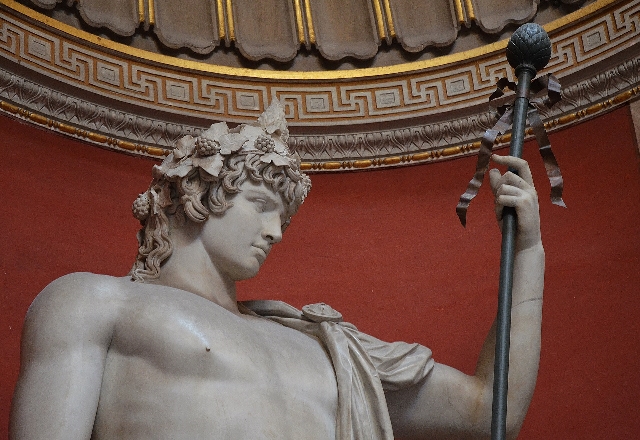
Definition: A “thyrsus” is a staff or wand entwined with ivy and topped with a pine cone, associated with Dionysus (Bacchus), the Greek (and Roman) god of wine, fertility, and revelry. Etymology: The term “thyrsus” comes from the Greek word “thyrsos,” which means a stalk or stem. The word was adopted into Latin as “thyrsus”… Continue reading Thyrsus
Molotov Cocktail
Description: The “molotov cocktail,” a crude incendiary weapon made from a glass bottle filled with flammable liquid and a cloth wick, has been used as a symbol of anarchist resistance and insurrection. It represents the idea of fighting back against oppressive regimes and institutions.
Riot Gear

Description: “Riot gear,” including masks, helmets, and gas masks, is sometimes used as a symbol of resistance and direct action. These items are often worn by anarchists and other activists during protests and demonstrations to protect against police repression and to signify defiance against state authority.