

Definition: The “Christian cross,” also known as the “Latin cross,” is a symbol of Christianity, representing the crucifixion of Jesus Christ and His resurrection. Etymology: The word “cross” comes from the Latin “crux,” which originally referred to a tree or wooden structure used for executions. The Old English word “cros” was borrowed from Old Norse… Continue reading Christian Cross
Category: Christianity
Celtic Cross
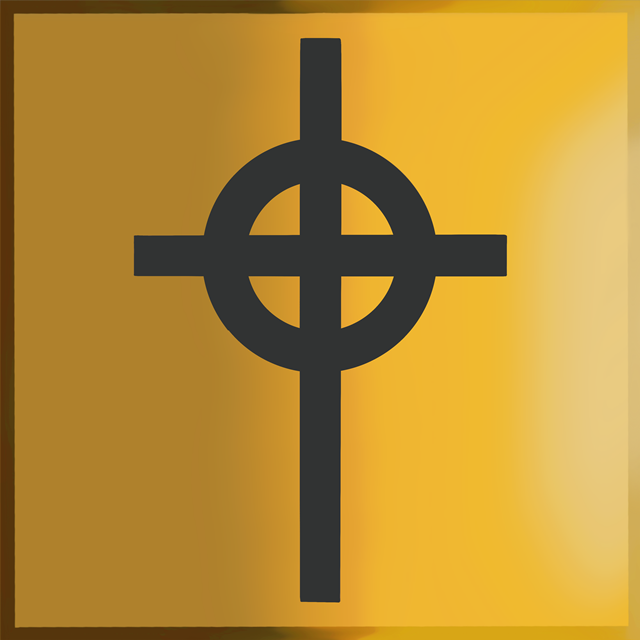
Definition: The “Celtic cross” is a form of Christian cross featuring a traditional cross with a nimbus or ring surrounding the intersection. It is distinct for its combination of a Latin cross (a vertical bar intersected by a shorter horizontal bar) and a circle that encloses the crossing point. Etymology: The term “Celtic” derives from… Continue reading Celtic Cross
Chi Rho
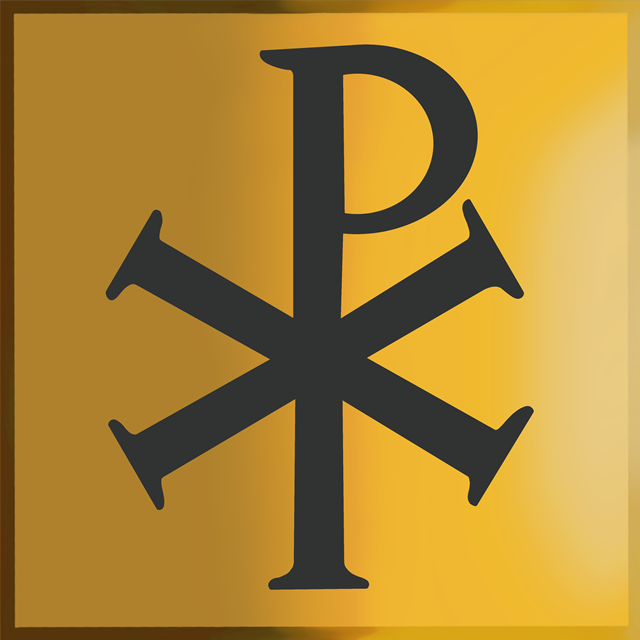
Definition: “Chi Rho” is one of the earliest forms of christogram, formed by superimposing the first two Greek letters of the word “ΧΡΙΣΤΟΣ” (Christos)—chi (Χ) and rho (Ρ). It serves as a symbol for Jesus Christ, Christianity, and, more specifically, for Christ’s name. Etymology: The term “Chi Rho” comes from the Greek alphabet, where “chi”… Continue reading Chi Rho
Crucifix
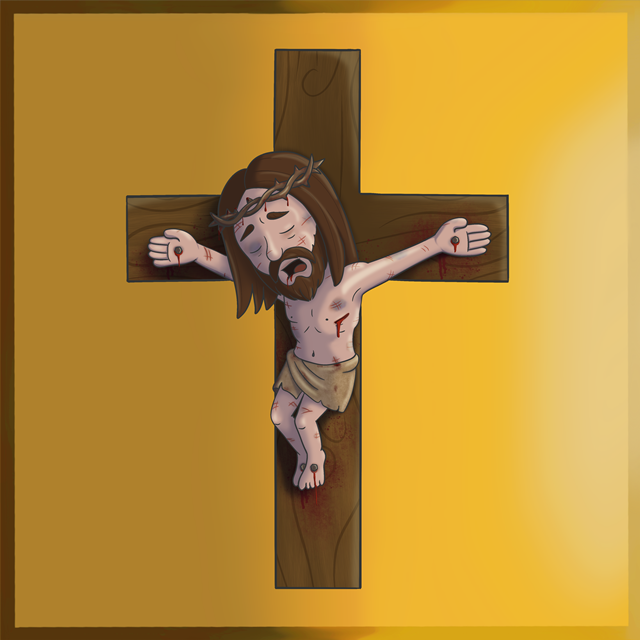
Definition: A “crucifix” is a cross that bears the representation of Jesus Christ’s body, known as the corpus. Etymology: The word “crucifix” comes from the Latin “crucifixus,” meaning “one fixed to a cross.” It is derived from “crux” (“cross”) and “figere” (“to fix” or “to fasten”). The term began to be used in Old French… Continue reading Crucifix
Greek Cross

Definition: The “Greek Cross” is a type of cross with four arms of equal length, intersecting at right angles. Etymology: The term “Greek Cross” originates from its prominent use in the art and architecture of the Greek-speaking Eastern Orthodox Church. The word “cross” derives from the Latin “crux,” which originally meant a wooden instrument of… Continue reading Greek Cross
Jerusalem Cross

Definition: The “Jerusalem Cross,” also known as the “Crusader’s Cross,” is a Christian symbol consisting of a large cross potent (a cross with crossbars at the ends) surrounded by four smaller Greek crosses in each quadrant. Etymology: The name “Jerusalem Cross” is derived from the city of Jerusalem, which has been a central spiritual location… Continue reading Jerusalem Cross
Orthodox Cross

Definition: The “Orthodox cross,” often referred to as the “Russian Orthodox cross,” is a distinct Christian cross associated particularly with the Eastern Orthodox Church. Etymology: The term “Orthodox” comes from the Greek “orthos” meaning “right” or “correct,” and “doxa” meaning “opinion” or “belief.” “Cross” comes from the Latin “crux,” referring to an instrument of execution.… Continue reading Orthodox Cross
Patriarchal Cross

Definition: The “Patriarchal cross” is a variant of the Christian cross featuring two horizontal crossbars, with the upper one shorter than the lower one. Etymology: The term “patriarchal” comes from the Greek word “patriarchēs” (πατριάρχης), meaning “chief or father of a family,” particularly referring to biblical figures or high-ranking Christian clergy. The cross was adopted… Continue reading Patriarchal Cross
Pattée Cross
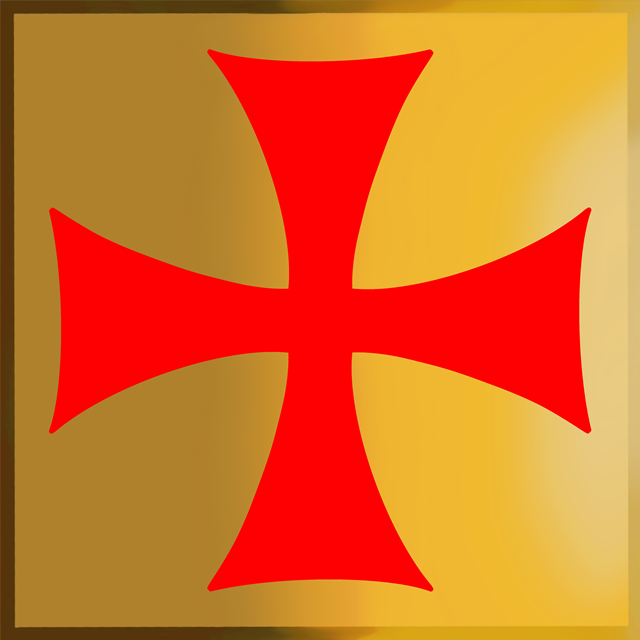
Definition: The “Pattée cross” (also spelled “Pattee”, “Patee”, or “Paty”) is a distinct form of Christian cross with arms that are narrow at the center and flare out in a curved or straight widening toward the ends. Etymology: The word “pattée” comes from the Old French word “paté” or “pattee”, derived from “patte”, meaning “paw”… Continue reading Pattée Cross
Southern Cross

Definition: The “Southern Cross” refers to a prominent constellation officially known as “Crux.” It is visible in the southern hemisphere and is composed of five stars that form a cross-like shape. Etymology: The name “Southern Cross” is derived from its shape and location. The Latin name “Crux” simply means “cross.” European explorers and navigators named… Continue reading Southern Cross
Tau Cross

Definition: The “Tau Cross” is a T-shaped cross, resembling the Greek letter tau (Τ or τ). Etymology: The term “Tau” derives from the Greek letter “ταῦ” (tau), which was used to represent the “T” sound. The use of “Tau Cross” thus literally means “T-shaped cross.” The symbol has roots in Egyptian, Hebrew, and early Christian… Continue reading Tau Cross
Trefoil Cross

Definition: The “Trefoil cross” is a symbol that combines the traditional Latin cross shape with three rounded lobes at the end of each arm, creating a design that resembles a trefoil, or three-leaf clover. Etymology: The word “trefoil” comes from the Latin “trefolium,” meaning “three-leaved” (“tres” meaning “three” and “folium” meaning “leaf”). “Cross” derives from… Continue reading Trefoil Cross
White Nationalist Celtic Cross

Definition: The term “White Nationalist Celtic cross” refers to a specific adaptation of the traditional Celtic cross that has been appropriated by white nationalist and white supremacist groups. Etymology: The term “Celtic cross” derives from the Celts, an ancient Indo-European people, and “cross,” referring to the Christian symbol. The original cross, often richly decorated, dates… Continue reading White Nationalist Celtic Cross
Sheep, Wolves, and Shepherds
Definition: “Sheep, wolves, and shepherds” are often used metaphorically to represent different roles and dynamics within a group or society. Etymology: Sheep: From the Old English “sceap” or “scep.” Wolves: From the Old English “wulf.” Shepherds: From the Old English “sceaphierde,” combining “sceap” (sheep) and “hierde” (herder). Description: In the Bible, sheep often represent the… Continue reading Sheep, Wolves, and Shepherds
Confirmation
Definition: “Confirmation” is a Christian ceremony or ritual act that marks a person’s entry into adulthood (usually between 13 and 16 years old), often seen as a step towards religious or spiritual maturity. Etymology: The word “confirmation” comes from the Latin word “confirmatio,” meaning “strengthening” or “making firm.” It reflects the act of confirming and… Continue reading Confirmation
Easter
Definition: “Easter celebration” is an annual Christian holiday that commemorates the resurrection of the fictional character Jesus Christ from the dead. Easter itself is one day (Easter Sunday), but the Easter season, which includes celebrations and liturgical observances, lasts 50 days in both Western and Eastern Christian traditions, concluding with Pentecost. Etymology: The word “Easter”… Continue reading Easter
Passion of Christ
Definition: The “Passion of Christ” is a fictional story that refers to the final period of Jesus Christ’s life, encompassing his suffering, crucifixion, and death. This period is central to Christian theology and commemorates the events leading up to and including Jesus’ crucifixion on Good Friday. Etymology: The term “Passion” comes from the Latin word… Continue reading Passion of Christ
Easter Church Service
Definition: An “Easter church service” is a religious ceremony held in Christian churches to celebrate the resurrection of Jesus Christ from the dead. It is considered the most important and joyous event in the Christian liturgical year, marking the culmination of Holy Week and the end of Lent. Etymology: The term “Easter” derives from “Ēastre”… Continue reading Easter Church Service
Christmas
Definition: “Christmas celebration” is an annual Christian holiday that commemorates the birth of the fictional character Jesus Christ (Nativity of Jesus). Christmas itself is one day (Christmas Day), but the Christmas season, which includes celebrations and liturgical observances, lasts 50-60 days in Western and Eastern Christian traditions, concluding with Epiphany or the Feast of the… Continue reading Christmas
Nativity of Jesus
Definition: The “Nativity of Jesus,” also known as the “Birth of Jesus,” is a fictional story, a fundamental Christian belief and the central event celebrated at Christmas. It refers to the account of Jesus Christ’s birth in Bethlehem as described in the New Testament of the Bible. Etymology: The term “Nativity” comes from the Latin… Continue reading Nativity of Jesus
Christmas Church Service
Definition: A “Christmas church service” is a religious ceremony held in Christian churches to celebrate the birth of Jesus Christ. These services can take place on Christmas Eve, Christmas Day, or both, and are central to the religious observance of Christmas. Etymology: The term “Christmas” comes from “Cristes mæsse,” Old English for “Christ’s Mass,” and… Continue reading Christmas Church Service
Baptism
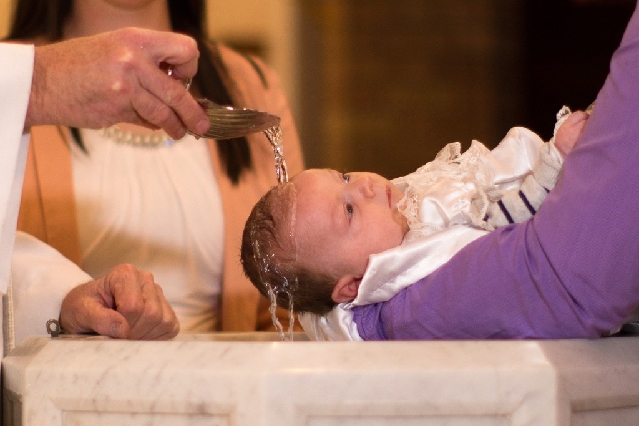
Definition: An “infant baptism” is a Christian ceremony where the child is baptized by being sprinkled with or immersed in water, usually by a priest or a religious authority. Etymology: The term “baptism” comes from the Greek word “baptizein,” meaning “to immerse” or “to wash.” The practice symbolizes spiritual cleansing and rebirth. Description: Infant baptism… Continue reading Baptism