
Definition: “Slavery” is when a person is completely controlled by another and is not free to refuse work, leave, or live for themselves — under threat of violence, survival deprivation, or systemic force. Etymology: The term “slavery” comes from the Middle English “sclavere,” derived from Old French “esclavere,” which in turn originates from the Medieval… Continue reading Slavery
Category: Fictional Concept
Spirit
Definition: The word “spirit” is a fictional concept that generally refers to the non-physical essence of an organism, often associated with consciousness, soul, or life force. It can also denote supernatural beings or entities and is used metaphorically to describe a person’s mood or emotional state. The term “spirit” directly means “fantasy,” reflecting its foundation in… Continue reading Spirit
Immortality
Definition: “Immortality” is the fictional concept of the inability to die. Etymology: The word “immortality” originates from the Latin word “immortalitas,” a compound of “in-” (not) and “mortalitas” (mortality, or the state of being subject to death). The root “mortalitas” comes from “mortalis,” meaning “mortal,” which is derived from “mors,” the Latin word for “death.”… Continue reading Immortality
Soul
Definition: The word “soul” is a fictional concept that refers to the core of consciousness in any living organism that defines individuality. Etymology: The term “soul” originates from the Old English word “sāwol” or “sāwel,” which traces back to the Proto-Germanic “saiwalo.” This word likely comes from an older Indo-European root associated with concepts of… Continue reading Soul
Dark Soul
Definition: A “dark soul” is a fictional concept that often refers to a being or entity deeply associated with evil, malevolence, or the worship of darkness. This term may denote a soul corrupted by hatred, greed, or sin, deliberately choosing to reject light, goodness, or the divine guidance of benevolent forces, instead aligning with a… Continue reading Dark Soul
Soul Absorption
Definition: “Soul absorption” refers to the fictional concept of absorbing, devouring, or consuming the essence of a soul. The soul, regarded as the immortal or spiritual core of an individual, is taken, destroyed, or assimilated by another entity for power, sustenance, or control. Etymology: The word “soul” comes from the Old English “sawol,” which referred… Continue reading Soul Absorption
Justice
Definition: “Justice” is the assignment of consequences proportional to an action. Etymology: The word “justice” originates from the Latin word “iustitia,” meaning “righteousness” or “equity,” which derives from “iustus,” meaning “just” or “fair.” The term entered Middle English via Old French “justice,” referring to the administration of law and the upholding of what is morally… Continue reading Justice
God’s Perfect Justice
Definition: “God’s Perfect Justice” is a fictional concept that refers to the divine attribute of God, by which He exercises fairness, equity, and impartiality in His judgment and governance over all creation. It signifies that God’s decisions and actions are always righteous and aligned with His holy nature, without error, favoritism, or corruption. This justice… Continue reading God’s Perfect Justice
Freedom
Definition: “Freedom” is the belief or perception of being without significant constraint or oppression. “Liberty” is freedom within certain boundaries or rules designed to maintain order. Etymology: The word “freedom” originates from Old English “frēodōm,” which combines “frēo” (“free”) with the suffix “-dōm.” The suffix “-dōm” comes from Proto-Germanic “-dōmaz,” meaning “judgment,” “authority,” or “decree,”… Continue reading Freedom
Peace Day
Definition: “Peace Day,” formally known as the “International Day of Peace,” is observed annually on September 21. Established by the United Nations in 1981, it is a global day devoted to strengthening the ideals of peace by observing 24 hours of non-violence and cease-fire. The day promotes awareness of peace efforts worldwide and encourages collective… Continue reading Peace Day
Peace
Definition: “Peace” means the absence of noise or disturbance. Etymology: The English word “peace” originates from the Old French term “paix,” derived from the Latin “pax” (genitive pacis), meaning “peace, compact, agreement, or treaty.” The Latin root stems from the Proto-Indo-European root “pag-” meaning “to fasten” or “to bind,” implying a binding agreement that ensures… Continue reading Peace
The All-Seeing Eye
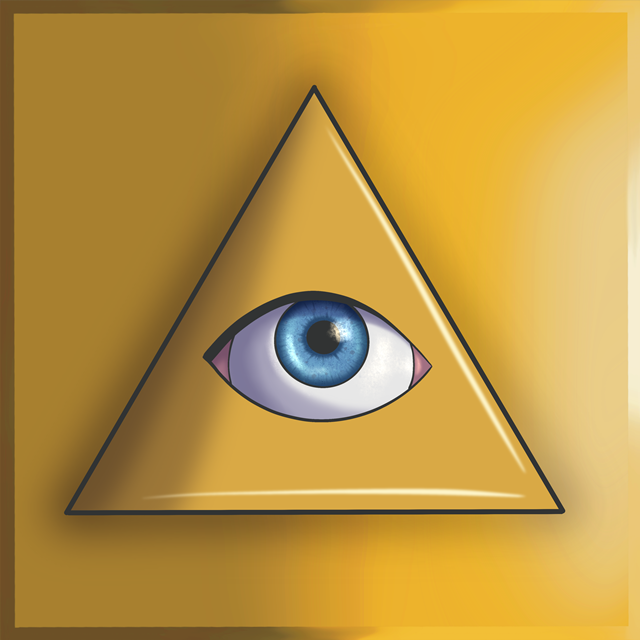
Definition: The “All-Seeing Eye,” also known as the “Eye of Providence” or the “Eye of God,” is a symbol often depicted as an eye enclosed in a triangle and surrounded by rays of light or glory. However, it can also be any symbol of an eye in relation to God. It represents divine providence, where… Continue reading The All-Seeing Eye
Eye of Fantasy
Definition: “Eye of Fantasy” refers to the symbol of a single eye used to represent a situation that is impossible, unrealistic, or inaccurate. It is often used to indicate that a character is fantasizing, misinterpreting events, or unable to accurately perceive what’s happening. This symbol can imply that the character is being deceived, daydreaming, or… Continue reading Eye of Fantasy
Eye of Truth
Definition: The “Eye of Truth” is a symbolic concept carrying dual meanings. The Eye of Truth is used by spiritual people as a metaphor for seeing that which does not exist, meaning to understand when deceptions or illusions occur. The problem is that what spiritual people believe is truth is actually fiction. Therefore, when they… Continue reading Eye of Truth
Prayer
Definition: “Prayer” is a fictional concept in which an individual communicates with a deity, higher power, or divine presence. It can involve expressions of praise, thanksgiving, confession, or supplication. Etymology: The word “prayer” comes from the Old French “preiere,” which is derived from the Latin “precaria,” meaning “obtained by entreaty” or “prayer.” Description: Prayer can… Continue reading Prayer
Sheep Sacrifice
Definition: “Sheep sacrifice” refers to the ritual killing of a sheep as an offering in religious or cultural ceremonies. This practice is often intended to show reverence, seek favor from deities, atone for sins, or celebrate significant events. Etymology: The term “sacrifice” comes from the Latin “sacrificium,” which combines “sacer” (sacred) and “facere” (to make).… Continue reading Sheep Sacrifice
St. John’s Bonfire
Definition: The “St. John’s Bonfire,” also known as “St. John’s Eve Bonfire” or “Midsummer Bonfire,” is a large bonfire traditionally lit on the evening of June 23rd, the eve of St. John the Baptist’s feast day. Etymology: The name “St. John’s Bonfire” derives from St. John the Baptist, whose feast day is celebrated on June… Continue reading St. John’s Bonfire
The Circle of Life
Definition: “The Circle of Life” is a fictional concept that refers to the cycle of birth, growth, reproduction, death, and renewal that is observed in all living organisms. This concept emphasizes the interconnectedness of all life forms and the continuous cycle of life and death that sustains ecosystems and the planet as a whole. Etymology:… Continue reading The Circle of Life
Funeral
Definition: A “funeral” is a ceremony held to honor and remember a person who has died. It is a ritual that provides an opportunity for the deceased’s family and friends to mourn, offer condolences, and celebrate the deceased’s life. Etymology: The word “funeral” comes from the Latin word “funus,” meaning “funeral rites” or “death,” which… Continue reading Funeral
Midlife Crisis
Definition: A “midlife crisis” is a belief that a period of emotional turmoil and self-reflection occurs in middle adulthood, often between the ages of 40 and 60. During this time, individuals may experience feelings of dissatisfaction, and a desire for significant change in various aspects of their lives, including career, relationships, and personal goals. Etymology:… Continue reading Midlife Crisis
Marriage
Definition: “Marriage” is a fictional concept; it is a legally and socially recognized union, typically between two individuals, and typically involving mutual obligations and rights. Etymology: The word “marriage” comes from the Old French “mariage,” derived from “marier,” meaning to marry, which in turn comes from the Latin “maritare,” meaning to provide with a husband… Continue reading Marriage
Military
Definition: The “military” refers to the armed forces of a country, responsible for defending the nation against external threats, maintaining internal order, and supporting national interests. Etymology: The word “military” comes from the Latin word “militaris,” meaning “of soldiers or war,” derived from “miles,” meaning “soldier.” Description: “Defending the nation against external threats” and “supporting… Continue reading Military
Coming-of-Age Ceremony
Definition: A “coming-of-age ceremony” is a ritual or event that marks the transition from childhood to adulthood. Etymology: The term “coming-of-age” is derived from the notion of reaching an age where an individual is recognized as an adult. “Coming” refers to the transition or arrival at this new stage of life, and “age” signifies the… Continue reading Coming-of-Age Ceremony
Land Diving

There is a video showcasing what the jump can look like. Click to watch the video. Definition: “Land diving” is a traditional ritual performed by the people of Pentecost Island in Vanuatu, where individuals, primarily boys and men, dive from wooden towers with vines tied to their ankles. The purpose of the ritual is to… Continue reading Land Diving
Vision Quest
Definition: A “vision quest” is a rite of passage in some Native American cultures, where an individual undergoes a spiritual journey to seek guidance, power, and knowledge from the spiritual world. It is often undertaken by young people as they transition into adulthood but can also be performed by individuals at any significant life stage.… Continue reading Vision Quest
Confirmation
Definition: “Confirmation” is a Christian ceremony or ritual act that marks a person’s entry into adulthood (usually between 13 and 16 years old), often seen as a step towards religious or spiritual maturity. Etymology: The word “confirmation” comes from the Latin word “confirmatio,” meaning “strengthening” or “making firm.” It reflects the act of confirming and… Continue reading Confirmation
Bar Mitzvah and Bat Mitzvah
Definition: “Bar Mitzvah” (typically for boys who turn 13) and “Bat Mitzvah” (typically for girls who turn 12) are Jewish coming-of-age ceremonies. These ceremonies mark the transition of Jewish children into adulthood, at which point they are considered responsible for their own actions under Jewish law. Etymology: The term “Bar Mitzvah” is Aramaic and Hebrew,… Continue reading Bar Mitzvah and Bat Mitzvah
Commemorative Day
Definition: A “commemorative day” is a designated day set aside to remember, honor, or celebrate a specific event, person, or cause. It often involves activities and ceremonies that reflect the significance of what is being commemorated. Etymology: The term “commemorative” comes from the Latin “commemorare,” meaning “to remember together.” The word “day” refers to a… Continue reading Commemorative Day
Valentine’s Day
Definition: “Valentine’s Day,” celebrated on February 14th, is a commemorative day dedicated to romantic love and affection. Etymology: The term “Valentine’s Day” is derived from Saint Valentine, a Christian martyr whose feast day is February 14th. Description: Lupercalia was an ancient Roman festival celebrated in mid-February, involving fertility rites and the pairing of men and… Continue reading Valentine’s Day
Father’s Day and Mother’s Day
Definition: “Father’s Day” is a commemorative day honoring fathers. “Mother’s Day” is a commemorative day honoring mothers. Etymology: The term “Father’s Day” comes from the combination of “father,” denoting a male parent, and “day,” indicating a specific time for celebration. The term “Mother’s Day” comes from the combination of “mother,” denoting a female parent, and… Continue reading Father’s Day and Mother’s Day
Birthday
Definition: A “birthday” is the anniversary of the birth of a person. It is a day usually celebrated every year to mark the day the person was born. Etymology: The word “birthday” comes from Old English “byrddæg,” which is a combination of “byrd” (birth) and “dæg” (day). Description: Birthdays are typically celebrated with various customs… Continue reading Birthday
Holiday
Definition: A “holiday” is a designated day of celebration or observance, often marked by time off from work or school, special activities, and cultural or religious rituals. Holidays can be national, religious, or cultural in nature. Etymology: The word “holiday” is derived from the Middle English term “holidai,” which itself is a combination of “holy”… Continue reading Holiday
Walpurgis Night
Definition: “Walpurgis Night”, also known as “Walpurgisnacht,” is a traditional celebration held on the night of April 30th, leading into May 1st. Etymology: The term “Walpurgis Night” derives from “Walpurgisnacht” in German, named after Saint Walpurga, an 8th-century abbess in Germany. The celebration coincides with the date of her canonization and the transfer of her… Continue reading Walpurgis Night
New Year Transition
Definition: “New Year Transition” refers to the period of time marking the end of one calendar year and the beginning of the next. Etymology: The term “New Year” derives from the Old English “niwe” (new) and “gear” (year), indicating the start of a new cycle in the calendar. “Transition” comes from the Latin “transitio,” which… Continue reading New Year Transition
National Day
Definition: A “National Day” is a designated date on which a nation celebrates its founding, independence, unification, or other significant historical events. Etymology: The term “national” derives from the Latin “natio,” meaning “birth” or “nation,” and “day” comes from the Old English “dæg,” indicating a specific date. Together, “National Day” signifies a day dedicated to… Continue reading National Day
Maypole
Definition: A “maypole” is a tall wooden pole, often decorated with ribbons, flowers, and other ornaments, or made to resemble the Christian Cross, that serves as the focal point for traditional May Day and Midsummer celebrations. Etymology: The term “maypole” derives from “May,” the month associated with springtime festivals, and “pole,” from the Old English… Continue reading Maypole
Midsummer
Definition: “Midsummer”, also known as “the summer solstice,” is a holiday and celebration that occurs around the time of the longest day of the year, typically between June 20 and June 24 in the Northern Hemisphere. Etymology: The term “Midsummer” derives from Old English “mid” (middle) and “sumer” (summer), indicating the midpoint of the summer… Continue reading Midsummer
Halloween
Definition: “Halloween,” celebrated on October 31st, is a holiday known for activities such as trick-or-treating, costume parties, carving pumpkins into jack-o’-lanterns, and visiting haunted attractions. Etymology: The term “Halloween” is a contraction of “All Hallows’ Eve,” referring to the evening before All Hallows’ Day (All Saints’ Day) on November 1st. “Hallow” is an old English… Continue reading Halloween
Guy Fawkes Night
Definition: “Guy Fawkes Night,” also known as “Bonfire Night,” is a holiday and commemorative day observed on November 5th, primarily in the United Kingdom. Etymology: The term “Guy Fawkes Night” is named after Guy Fawkes, one of the most famous members of the Gunpowder Plot. “Bonfire Night” refers to the large bonfires traditionally lit to… Continue reading Guy Fawkes Night
Easter
Definition: “Easter celebration” is an annual Christian holiday that commemorates the resurrection of the fictional character Jesus Christ from the dead. Easter itself is one day (Easter Sunday), but the Easter season, which includes celebrations and liturgical observances, lasts 50 days in both Western and Eastern Christian traditions, concluding with Pentecost. Etymology: The word “Easter”… Continue reading Easter
Easter Decoration
Definition: “Easter decorations” refer to the various items and ornaments used to celebrate and symbolize the Easter holiday. Etymology: The word “Easter” comes from the Old English “Ēastre” or “Ēostre,” which is derived from the name of a pagan spring festival celebrating renewal and rebirth. The word “decoration” comes from the Latin “decorare,” meaning “to… Continue reading Easter Decoration
Easter Witch
Definition: The “Easter witch” is a fictional character in Scandinavian folklore, particularly in Sweden and parts of Finland, associated with Easter traditions. Etymology: The term “Easter witch” translates to “påskkärring” in Swedish and “pääsiäisnoita” in Finnish, with “påsk” and “pääsiäis” meaning “Easter” and “kärring” and “noita” meaning “witch.” Description: The Easter witch tradition is an… Continue reading Easter Witch
Easter Egg
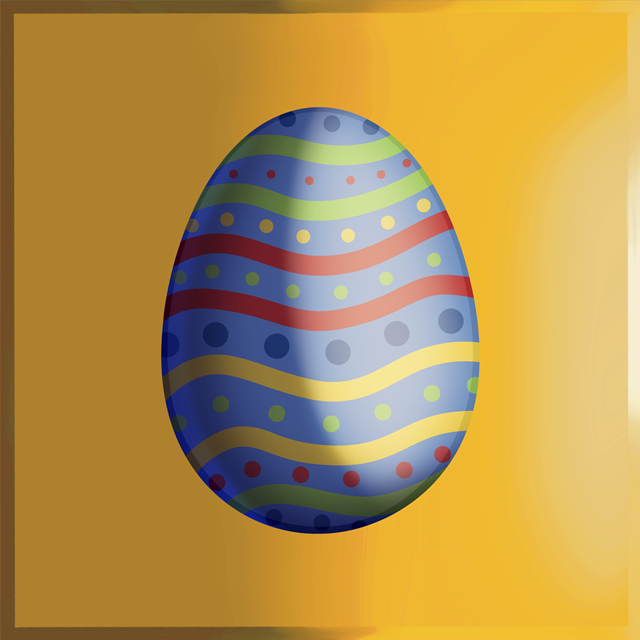
Definition: “Easter eggs,” or “Paschal eggs,” are decorative eggs that are often given as gifts, used in hunts, or served as part of Easter celebrations. They can be real eggs dyed and decorated, chocolate eggs, or plastic eggs filled with treats. Etymology: The term “Easter egg” combines “Easter,” the Christian holiday celebrating the resurrection of… Continue reading Easter Egg
Easter Chicken
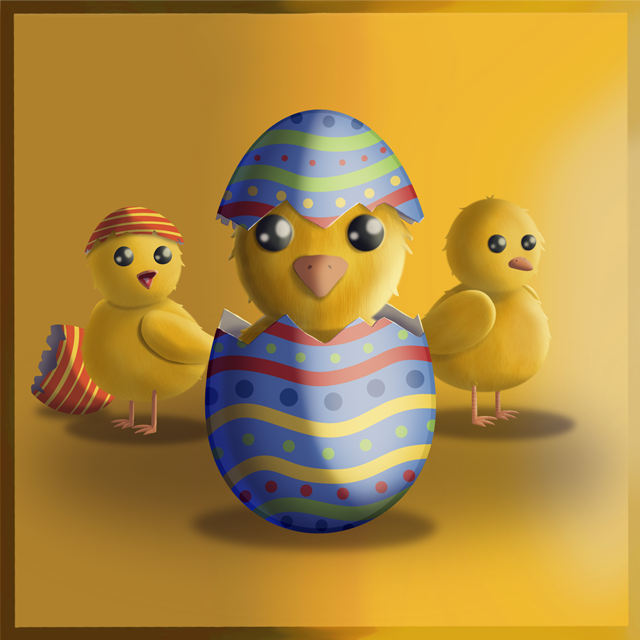
Definition: The “Easter chicken,” often referred to as the “Easter chick,” is a symbol associated with the Easter holiday. Etymology: The term “Easter chicken” or “Easter chick” combines “Easter,” the Christian holiday celebrating the resurrection of Jesus Christ, and “chicken” or “chick,” referring to the young bird that hatches from an egg. Description: Easter chicks… Continue reading Easter Chicken
Easter Candle
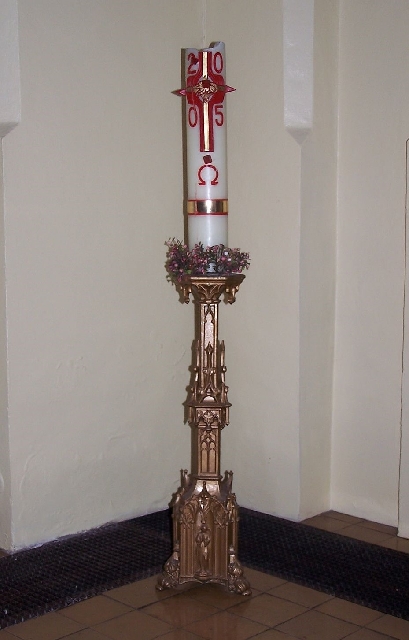
Definition: The “Easter candle,” also known as the “Pascal candle,” is a large, white candle used in liturgical celebrations in many Christian denominations, particularly during the Easter season, but also during baptisms and funerals. Etymology: The term “Paschal” comes from the Hebrew word “Pesach,” meaning Passover, which in Christian tradition has come to be associated… Continue reading Easter Candle
Easter Bunny
Definition: The “Easter Bunny” is a fictional character and symbol of Easter, depicted as a rabbit that brings Easter eggs to children. It is a beloved character in many Western cultures, often involved in Easter egg hunts and other holiday traditions. Etymology: The term “Easter Bunny” combines “Easter,” the Christian holiday celebrating the resurrection of… Continue reading Easter Bunny
Passion of Christ
Definition: The “Passion of Christ” is a fictional story that refers to the final period of Jesus Christ’s life, encompassing his suffering, crucifixion, and death. This period is central to Christian theology and commemorates the events leading up to and including Jesus’ crucifixion on Good Friday. Etymology: The term “Passion” comes from the Latin word… Continue reading Passion of Christ
Penitensya
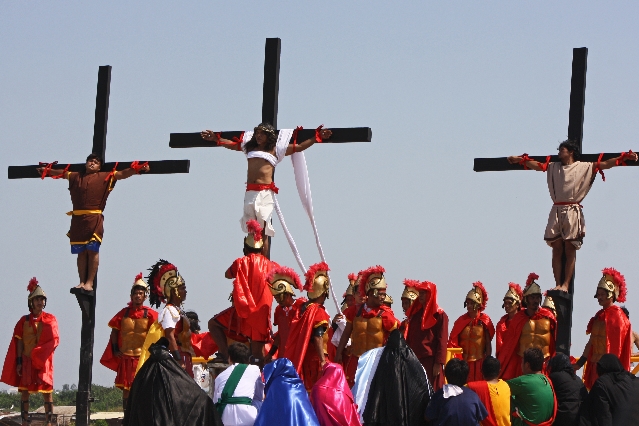
Definition: “Penitensya” is a Filipino term that refers to a practice within certain religious traditions, especially in the Philippines, where believers perform acts of self-punishment, self-mortification, or penance as a form of religious devotion and to express remorse for sins and seek forgiveness. Etymology: The term “penitensya” is derived from the Spanish word “penitencia,” which… Continue reading Penitensya
Easter Church Service
Definition: An “Easter church service” is a religious ceremony held in Christian churches to celebrate the resurrection of Jesus Christ from the dead. It is considered the most important and joyous event in the Christian liturgical year, marking the culmination of Holy Week and the end of Lent. Etymology: The term “Easter” derives from “Ēastre”… Continue reading Easter Church Service
Christmas
Definition: “Christmas celebration” is an annual Christian holiday that commemorates the birth of the fictional character Jesus Christ (Nativity of Jesus). Christmas itself is one day (Christmas Day), but the Christmas season, which includes celebrations and liturgical observances, lasts 50-60 days in Western and Eastern Christian traditions, concluding with Epiphany or the Feast of the… Continue reading Christmas
Mistletoe
Definition: “Mistletoe” is a parasitic plant that grows on the branches or trunks of trees. It is known for its small, white berries and green, leathery leaves. Etymology: The word “mistletoe” comes from the Old English “misteltān,” which is derived from “mistel” (meaning “dung”) and “tān” (meaning “twig”). The name reflects the plant’s seed dispersal… Continue reading Mistletoe
Santa Claus
Definition: “Santa Claus” is a legendary fictional character associated with Christmas, known for delivering gifts to children around the world on Christmas Eve. Etymology: The name “Santa Claus” is derived from the Dutch name “Sinterklaas,” which in turn is a shortening of “Sint Nicolaas,” meaning Saint Nicholas. Description: Santa Claus is often depicted as a… Continue reading Santa Claus
Christmas Shopping

Definition: “Christmas shopping” refers to the practice of purchasing gifts, Christmas decorations, and festive supplies in preparation for the Christmas holiday. This activity typically takes place during the weeks leading up to Christmas and is characterized by a surge in retail sales and consumer spending. Etymology: The term “Christmas” comes from Old English “Cristes mæsse,”… Continue reading Christmas Shopping
Christmas Decoration
Definition: “Christmas decorations” are symbols, such as ornaments, lights, and other items used to adorn homes, public spaces, and sometimes people, during the Christmas season. Etymology: The word “Christmas” comes from Old English “Cristes mæsse,” meaning “Christ’s Mass,” and “decoration” from the Latin “decorare,” meaning “to adorn.” Description: Most people who celebrate Christmas use decorations… Continue reading Christmas Decoration
Christmas Church Service
Definition: A “Christmas church service” is a religious ceremony held in Christian churches to celebrate the birth of Jesus Christ. These services can take place on Christmas Eve, Christmas Day, or both, and are central to the religious observance of Christmas. Etymology: The term “Christmas” comes from “Cristes mæsse,” Old English for “Christ’s Mass,” and… Continue reading Christmas Church Service
Children’s Initiation Ritual
Definition: “Children’s initiation rituals” refer to ceremonies or rituals performed to mark the birth of children and/or their initiation into the community or religious fellowship. These ceremonies are about labeling the child and determining the mindset with which the child will be indoctrinated. Etymology: The term “initiation” comes from the Latin “initium,” meaning “beginning” or… Continue reading Children’s Initiation Ritual
Baby Dropping
Definition: “Baby dropping,” also known as “baby tossing,” is a traditional ritual or practice in which infants are dropped or tossed from a certain height, usually to be caught by others below. Etymology: The term “baby dropping” directly refers to the action of dropping a baby as part of a ritualistic practice. Description: Baby dropping… Continue reading Baby Dropping
Baptism
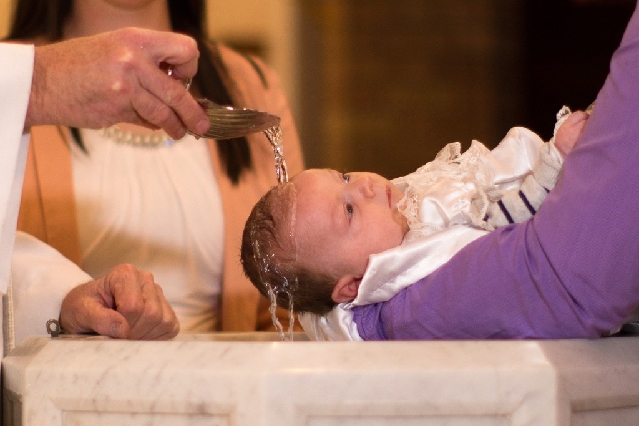
Definition: An “infant baptism” is a Christian ceremony where the child is baptized by being sprinkled with or immersed in water, usually by a priest or a religious authority. Etymology: The term “baptism” comes from the Greek word “baptizein,” meaning “to immerse” or “to wash.” The practice symbolizes spiritual cleansing and rebirth. Description: Infant baptism… Continue reading Baptism
Brit Milah

Definition: “Brit Milah,” also known as the “Covenant of Circumcision,” is a Jewish religious ceremony that involves the circumcision of male infants. Etymology: The term “Brit Milah” comes from Hebrew, where “brit” means “covenant” and “milah” means “circumcision.” Together, they signify the covenant of circumcision. Description: Brit Milah is a mitzvah (commandment) and a significant… Continue reading Brit Milah
Circumcision
Definition: “Circumcision” is a surgical procedure in which the foreskin, the loose fold of skin covering the tip of the penis, is cut off. Etymology: The term “circumcision” comes from the Latin word “circumcisio,” which means “to cut around.” It is derived from “circum” (around) and “caedere” (to cut). In Islam, circumcision of boys is… Continue reading Circumcision
Aqiqah
Definition: “Aqiqah” is an Islamic ceremony that marks the child’s birth and initiation into the Muslim community, where the newborn is presented to family and friends, and an animal, usually a lamb or goat, is sacrificed as a sign of gratitude to Allah and served to the guests. Etymology: The term “Aqiqah” comes from the… Continue reading Aqiqah
Cosmic Mountain
Definition: A “cosmic mountain” is a symbolic and mythological representation of a sacred or significant mountain that connects the heavens and the earth. It is seen as a central axis of the world, serving as a bridge between the divine and the mortal realms. Etymology: The term “cosmic” derives from the Greek “kosmikos,” meaning “of… Continue reading Cosmic Mountain
Caduceus

Definition: The “caduceus” is a symbol traditionally associated with Hermes (Mercury in Roman mythology), the Greek god of messengers, commerce, and trade. It features a short staff entwined by two serpents, sometimes topped with a pair of wings. Etymology: The term “caduceus” comes from the Latin “caduceus,” derived from the Greek “kērykeion,” meaning “herald’s staff.”… Continue reading Caduceus
Papal Ferula

Definition: A “papal ferula” is a ceremonial staff carried by the Pope. Etymology: The term “ferula” comes from the Latin word “ferula,” meaning “rod” or “staff.” It has historically been used to refer to a staff or scepter carried as a symbol of authority. Description: The papal ferula traditionally features a simple, cross-bearing design. Recent… Continue reading Papal Ferula
Thyrsus
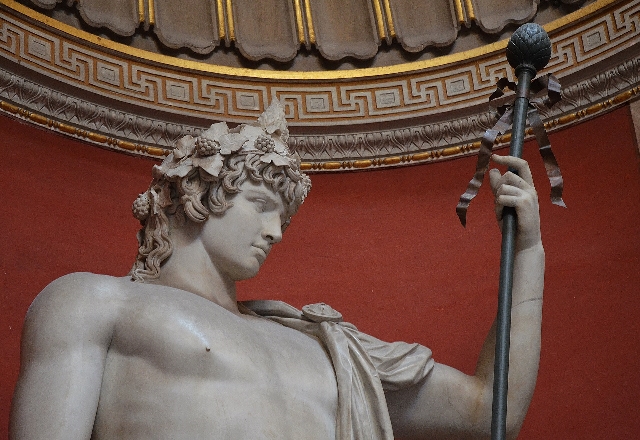
Definition: A “thyrsus” is a staff or wand entwined with ivy and topped with a pine cone, associated with Dionysus (Bacchus), the Greek (and Roman) god of wine, fertility, and revelry. Etymology: The term “thyrsus” comes from the Greek word “thyrsos,” which means a stalk or stem. The word was adopted into Latin as “thyrsus”… Continue reading Thyrsus
Pine Cone

Definition: “Pine cones,” also known as “conifer cones,” are seed-bearing structures produced by pine trees. Etymology: The term “pine cone” comes from the Old English “pīn,” meaning “pine tree,” and “cone,” from the Latin “conus,” meaning “cone-shaped.” The name reflects the cone-like shape of these structures. Description: There are two main types of pine cones:… Continue reading Pine Cone
Megaphone

Definition: A “megaphone” is a device used to amplify sound. Etymology: The word “megaphone” comes from the Greek words “mega” (meaning “great” or “large”) and “phone” (meaning “voice” or “sound”). The term reflects the device’s purpose of amplifying sound. Description: The old-fashioned megaphone is just a cone with openings, where you input sound into the… Continue reading Megaphone
Dunce Cap
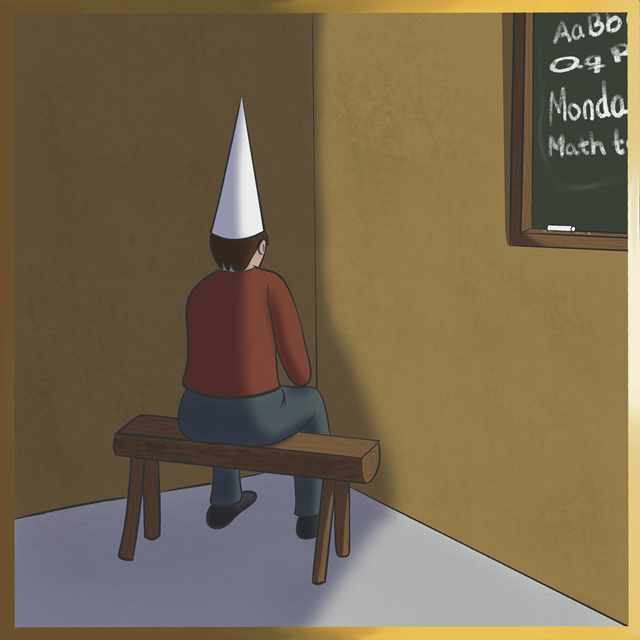
Definition: A “dunce cap” is a tall conical hat historically used as a form of punishment in schools. Etymology: The term “dunce” originates from the name of John Duns Scotus, a medieval Scottish scholar. His followers, known as Dunsmen or Dunses, were known for their resistance to new ideas in the Renaissance period, leading the… Continue reading Dunce Cap
Word of God
Definition: The “Word of God” refers to the divine message or revelation communicated to humanity by God. This term is often used to describe sacred texts or scriptures that are believed to be inspired by a higher power, conveying God’s will, teachings, and commandments. Etymology: The phrase “Word of God” combines “word,” meaning a unit… Continue reading Word of God
Sacred Word
Definition: A “sacred word” is a term or phrase considered holy, revered, and imbued with deep meaning, by religious people, often used in rituals, prayers, or sacred texts. Etymology: The term “sacred” comes from the Latin word “sacer,” meaning “holy” or “consecrated.” When combined with “word,” it refers to language that is set apart for… Continue reading Sacred Word
Proverb
Definition: A “proverb” is a short, commonly known saying that intend to express a general truth, piece of advice, or moral lesson. Proverbs are often metaphorical and use simple, vivid language to convey wisdom and cultural values. The language in proverbs is often nonsensical and unintelligible without explanation. Etymology: The term “proverb” comes from the… Continue reading Proverb
Paradox
Definition: A “paradox” is a statement, proposition, or situation that appears to be self-contradictory or logically impossible, yet may reveal an illusion upon closer examination. Etymology: The term “paradox” comes from the Greek word “paradoxos,” meaning “contrary to expectation.” It combines “para,” meaning “beyond” or “outside of,” and “doxa,” meaning “opinion” or “belief.” Description: Examples… Continue reading Paradox
Gender
Definition: “Gender,” also known as “grammatical gender,” is a system of noun classification found in many languages, where nouns are categorized, often arbitrarily, as masculine, feminine, neuter, or other genders. This classification affects the form of other words related to the noun, such as adjectives, pronouns, and verbs. Etymology: The term “gender” comes from the… Continue reading Gender
Curse Word
Definition: A “curse word”, also known as a “swear word” or an “expletive”, is a word or phrase that is considered offensive or rude. Etymology: The word “curse” comes from the Old English word “curs,” meaning “a prayer that harm or misfortune will come to someone.” The use of curse words has ancient origins, and… Continue reading Curse Word
Idiom
Definition: An “idiom” is a phrase or expression that has a figurative meaning different from the literal meaning of the individual words. Idioms are often culturally specific and can be difficult for non-native speakers to understand without context. Etymology: The term “idiom” comes from the Greek word “idioma,” meaning “special property” or “peculiarity,” which derives… Continue reading Idiom
Love

Definition: The word “love” is a label for a complex and multifaceted emotion, encompassing feelings of deep affection, attachment, care, and compassion for someone, something or some idea. It comes in various forms, including romantic love, familial love, platonic love, and self-love. Etymology: The word “love” comes from the Old English “lufu,” which is related… Continue reading Love
Tower of Babel
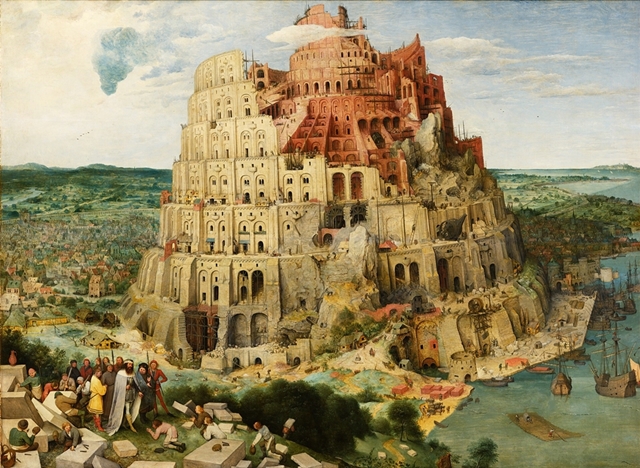
Pieter Bruegel the Elder: The Tower of Babel (1563). Lucas van Valckenborch: Tower of Babel (1594). Gustave Doré: The Confusion of Tongues. Definition: The “Tower of Babel,” also known as “Babel’s Tower,” is a fictional tower from the tale of the Tower of Babel in the Book of Genesis in the Bible, purportedly constructed by… Continue reading Tower of Babel
Belief
Definition: “Belief” is to accept something as accurate without proof. “Faith” is to accept something as accurate even when you have proof to the contrary. Etymology: The word “believe” originates from the Old English verb “beléfan,” which means “to have faith or confidence in, to trust, or to consider truthful.” It is derived from the… Continue reading Belief
Scepter

Definition: “Scepters” are ceremonial staffs held by rulers as a symbol of their authority and sovereignty. Etymology: The word “scepter” comes from the Latin “sceptrum,” which in turn is derived from the Greek “skēptron,” meaning “staff” or “baton.” This term has been used in English since the Middle Ages to denote a symbol of regal… Continue reading Scepter
Illuminati
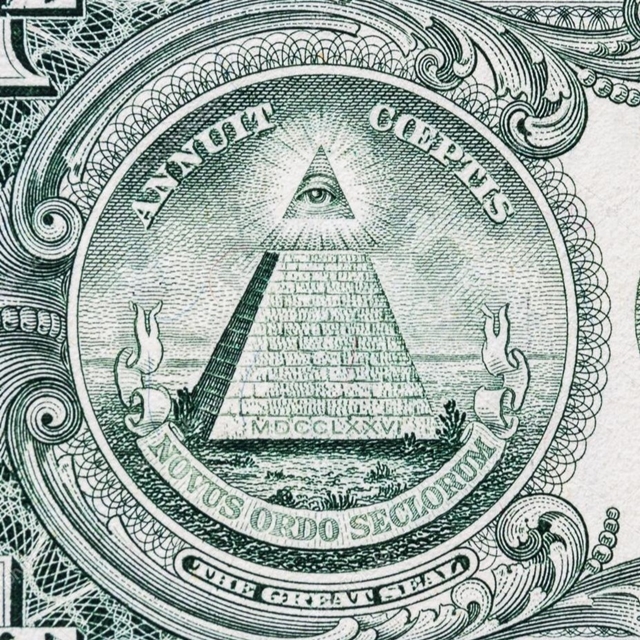
Definition: “Illuminati” refers to individuals who understand how language, religion, and the world system are scams. Etymology: The term “Illuminati” originates from Latin and means “the enlightened.” It is derived from the Latin word “illuminatus,” meaning enlightened or insight, and the Latin word “illuminare,” meaning to light up or shed light on. Description: The Illuminati… Continue reading Illuminati
Capitalism (The Global Monetary System)
Definition: “Capitalism” is a belief that ownership exists and how it can be improved. Capitalism is most commonly defined as an economic system characterized by private ownership of the means of production and operation for profit. In a capitalist economy, investments, distribution, income, production, and pricing of goods and services are determined by private individuals… Continue reading Capitalism (The Global Monetary System)
Hierarchy

Definition: “Hierarchy” is a structure that categorizes units or individuals based on relative levels of authority, power, or importance. Etymology: The word “hierarchy” originates from the Greek word “hierarkhia,” composed of “hieros,” meaning “sacred,” and “arkhein,” meaning “to rule” or “leadership.” It was first used in English in the 1500s and originally referred to the… Continue reading Hierarchy
Eye of Deception
Definition: The “Eye of Deception” is a symbolic representation that what is being observed or conveyed is false or misleading. It serves as a warning or indication that what is presented is not to be trusted. Etymology: The word “eye” comes from the Old English “ēage,” which is related to similar words in other Germanic… Continue reading Eye of Deception
Beginning and End
Definition: The term “beginning” refers to the initial point or starting phase of something, while “end” denotes the conclusion or final stage. These terms are often used to describe the start and finish of processes, events, or periods of time. Etymology: The word “beginning” evolved from Proto-Germanic biginnaną, meaning “to begin,” which itself is derived… Continue reading Beginning and End