
Definition: The “St. John’s Bonfire,” also known as “St. John’s Eve Bonfire” or “Midsummer Bonfire,” is a large bonfire traditionally lit on the evening of June 23rd, the eve of St. John the Baptist’s feast day. Etymology: The name “St. John’s Bonfire” derives from St. John the Baptist, whose feast day is celebrated on June… Continue reading St. John’s Bonfire
Category: Holiday
Father’s Day and Mother’s Day
Definition: “Father’s Day” is a commemorative day honoring fathers. “Mother’s Day” is a commemorative day honoring mothers. Etymology: The term “Father’s Day” comes from the combination of “father,” denoting a male parent, and “day,” indicating a specific time for celebration. The term “Mother’s Day” comes from the combination of “mother,” denoting a female parent, and… Continue reading Father’s Day and Mother’s Day
Walpurgis Night
Definition: “Walpurgis Night”, also known as “Walpurgisnacht,” is a traditional celebration held on the night of April 30th, leading into May 1st. Etymology: The term “Walpurgis Night” derives from “Walpurgisnacht” in German, named after Saint Walpurga, an 8th-century abbess in Germany. The celebration coincides with the date of her canonization and the transfer of her… Continue reading Walpurgis Night
New Year Transition
Definition: “New Year Transition” refers to the period of time marking the end of one calendar year and the beginning of the next. Etymology: The term “New Year” derives from the Old English “niwe” (new) and “gear” (year), indicating the start of a new cycle in the calendar. “Transition” comes from the Latin “transitio,” which… Continue reading New Year Transition
National Day
Definition: A “National Day” is a designated date on which a nation celebrates its founding, independence, unification, or other significant historical events. Etymology: The term “national” derives from the Latin “natio,” meaning “birth” or “nation,” and “day” comes from the Old English “dæg,” indicating a specific date. Together, “National Day” signifies a day dedicated to… Continue reading National Day
Maypole
Definition: A “maypole” is a tall wooden pole, often decorated with ribbons, flowers, and other ornaments, or made to resemble the Christian Cross, that serves as the focal point for traditional May Day and Midsummer celebrations. Etymology: The term “maypole” derives from “May,” the month associated with springtime festivals, and “pole,” from the Old English… Continue reading Maypole
Midsummer
Definition: “Midsummer”, also known as “the summer solstice,” is a holiday and celebration that occurs around the time of the longest day of the year, typically between June 20 and June 24 in the Northern Hemisphere. Etymology: The term “Midsummer” derives from Old English “mid” (middle) and “sumer” (summer), indicating the midpoint of the summer… Continue reading Midsummer
Halloween
Definition: “Halloween,” celebrated on October 31st, is a holiday known for activities such as trick-or-treating, costume parties, carving pumpkins into jack-o’-lanterns, and visiting haunted attractions. Etymology: The term “Halloween” is a contraction of “All Hallows’ Eve,” referring to the evening before All Hallows’ Day (All Saints’ Day) on November 1st. “Hallow” is an old English… Continue reading Halloween
Guy Fawkes Night
Definition: “Guy Fawkes Night,” also known as “Bonfire Night,” is a holiday and commemorative day observed on November 5th, primarily in the United Kingdom. Etymology: The term “Guy Fawkes Night” is named after Guy Fawkes, one of the most famous members of the Gunpowder Plot. “Bonfire Night” refers to the large bonfires traditionally lit to… Continue reading Guy Fawkes Night
Easter
Definition: “Easter celebration” is an annual Christian holiday that commemorates the resurrection of the fictional character Jesus Christ from the dead. Easter itself is one day (Easter Sunday), but the Easter season, which includes celebrations and liturgical observances, lasts 50 days in both Western and Eastern Christian traditions, concluding with Pentecost. Etymology: The word “Easter”… Continue reading Easter
Easter Decoration
Definition: “Easter decorations” refer to the various items and ornaments used to celebrate and symbolize the Easter holiday. Etymology: The word “Easter” comes from the Old English “Ēastre” or “Ēostre,” which is derived from the name of a pagan spring festival celebrating renewal and rebirth. The word “decoration” comes from the Latin “decorare,” meaning “to… Continue reading Easter Decoration
Easter Witch
Definition: The “Easter witch” is a fictional character in Scandinavian folklore, particularly in Sweden and parts of Finland, associated with Easter traditions. Etymology: The term “Easter witch” translates to “påskkärring” in Swedish and “pääsiäisnoita” in Finnish, with “påsk” and “pääsiäis” meaning “Easter” and “kärring” and “noita” meaning “witch.” Description: The Easter witch tradition is an… Continue reading Easter Witch
Easter Egg
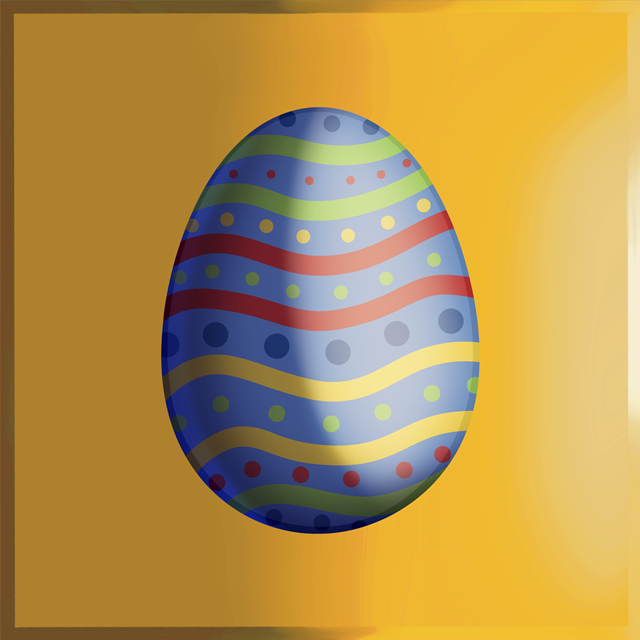
Definition: “Easter eggs,” or “Paschal eggs,” are decorative eggs that are often given as gifts, used in hunts, or served as part of Easter celebrations. They can be real eggs dyed and decorated, chocolate eggs, or plastic eggs filled with treats. Etymology: The term “Easter egg” combines “Easter,” the Christian holiday celebrating the resurrection of… Continue reading Easter Egg
Easter Chicken
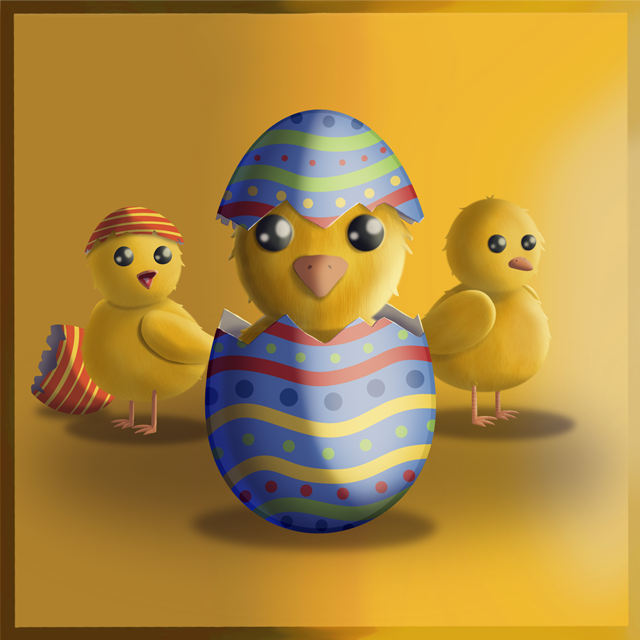
Definition: The “Easter chicken,” often referred to as the “Easter chick,” is a symbol associated with the Easter holiday. Etymology: The term “Easter chicken” or “Easter chick” combines “Easter,” the Christian holiday celebrating the resurrection of Jesus Christ, and “chicken” or “chick,” referring to the young bird that hatches from an egg. Description: Easter chicks… Continue reading Easter Chicken
Easter Candle
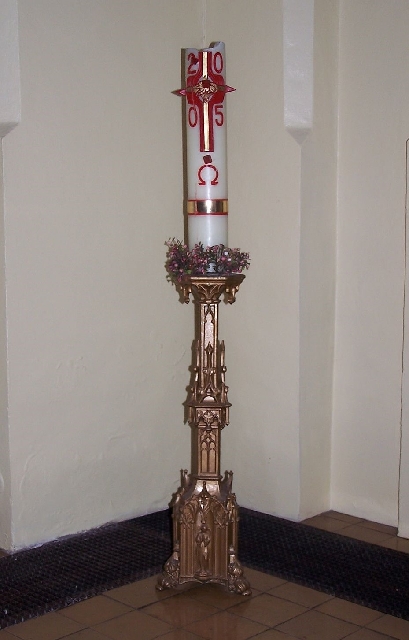
Definition: The “Easter candle,” also known as the “Pascal candle,” is a large, white candle used in liturgical celebrations in many Christian denominations, particularly during the Easter season, but also during baptisms and funerals. Etymology: The term “Paschal” comes from the Hebrew word “Pesach,” meaning Passover, which in Christian tradition has come to be associated… Continue reading Easter Candle
Easter Bunny
Definition: The “Easter Bunny” is a fictional character and symbol of Easter, depicted as a rabbit that brings Easter eggs to children. It is a beloved character in many Western cultures, often involved in Easter egg hunts and other holiday traditions. Etymology: The term “Easter Bunny” combines “Easter,” the Christian holiday celebrating the resurrection of… Continue reading Easter Bunny
Passion of Christ
Definition: The “Passion of Christ” is a fictional story that refers to the final period of Jesus Christ’s life, encompassing his suffering, crucifixion, and death. This period is central to Christian theology and commemorates the events leading up to and including Jesus’ crucifixion on Good Friday. Etymology: The term “Passion” comes from the Latin word… Continue reading Passion of Christ
Penitensya
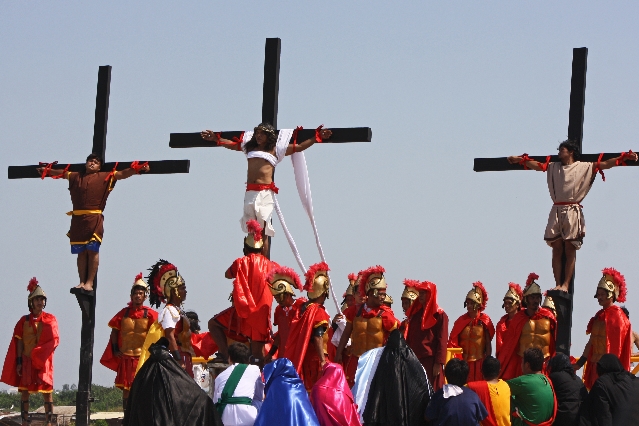
Definition: “Penitensya” is a Filipino term that refers to a practice within certain religious traditions, especially in the Philippines, where believers perform acts of self-punishment, self-mortification, or penance as a form of religious devotion and to express remorse for sins and seek forgiveness. Etymology: The term “penitensya” is derived from the Spanish word “penitencia,” which… Continue reading Penitensya
Easter Church Service
Definition: An “Easter church service” is a religious ceremony held in Christian churches to celebrate the resurrection of Jesus Christ from the dead. It is considered the most important and joyous event in the Christian liturgical year, marking the culmination of Holy Week and the end of Lent. Etymology: The term “Easter” derives from “Ēastre”… Continue reading Easter Church Service
Christmas
Definition: “Christmas celebration” is an annual Christian holiday that commemorates the birth of the fictional character Jesus Christ (Nativity of Jesus). Christmas itself is one day (Christmas Day), but the Christmas season, which includes celebrations and liturgical observances, lasts 50-60 days in Western and Eastern Christian traditions, concluding with Epiphany or the Feast of the… Continue reading Christmas
Mistletoe
Definition: “Mistletoe” is a parasitic plant that grows on the branches or trunks of trees. It is known for its small, white berries and green, leathery leaves. Etymology: The word “mistletoe” comes from the Old English “misteltān,” which is derived from “mistel” (meaning “dung”) and “tān” (meaning “twig”). The name reflects the plant’s seed dispersal… Continue reading Mistletoe
Santa Claus
Definition: “Santa Claus” is a legendary fictional character associated with Christmas, known for delivering gifts to children around the world on Christmas Eve. Etymology: The name “Santa Claus” is derived from the Dutch name “Sinterklaas,” which in turn is a shortening of “Sint Nicolaas,” meaning Saint Nicholas. Description: Santa Claus is often depicted as a… Continue reading Santa Claus
Christmas Shopping
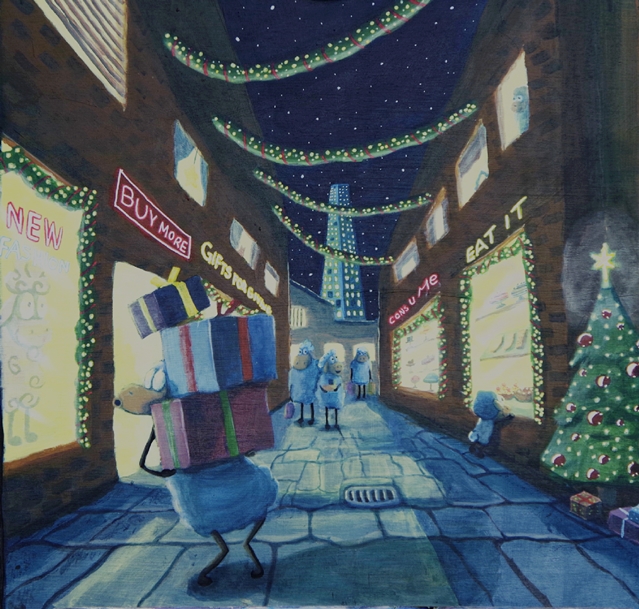
Definition: “Christmas shopping” refers to the practice of purchasing gifts, Christmas decorations, and festive supplies in preparation for the Christmas holiday. This activity typically takes place during the weeks leading up to Christmas and is characterized by a surge in retail sales and consumer spending. Etymology: The term “Christmas” comes from Old English “Cristes mæsse,”… Continue reading Christmas Shopping
Christmas Decoration
Definition: “Christmas decorations” are symbols, such as ornaments, lights, and other items used to adorn homes, public spaces, and sometimes people, during the Christmas season. Etymology: The word “Christmas” comes from Old English “Cristes mæsse,” meaning “Christ’s Mass,” and “decoration” from the Latin “decorare,” meaning “to adorn.” Description: Most people who celebrate Christmas use decorations… Continue reading Christmas Decoration
Christmas Church Service
Definition: A “Christmas church service” is a religious ceremony held in Christian churches to celebrate the birth of Jesus Christ. These services can take place on Christmas Eve, Christmas Day, or both, and are central to the religious observance of Christmas. Etymology: The term “Christmas” comes from “Cristes mæsse,” Old English for “Christ’s Mass,” and… Continue reading Christmas Church Service
Pine Cone

Definition: “Pine cones,” also known as “conifer cones,” are seed-bearing structures produced by pine trees. Etymology: The term “pine cone” comes from the Old English “pīn,” meaning “pine tree,” and “cone,” from the Latin “conus,” meaning “cone-shaped.” The name reflects the cone-like shape of these structures. Description: There are two main types of pine cones:… Continue reading Pine Cone