
Definition: “Easter decorations” refer to the various items and ornaments used to celebrate and symbolize the Easter holiday. Etymology: The word “Easter” comes from the Old English “Ēastre” or “Ēostre,” which is derived from the name of a pagan spring festival celebrating renewal and rebirth. The word “decoration” comes from the Latin “decorare,” meaning “to… Continue reading Easter Decoration
Category: Easter
Easter Witch
Definition: The “Easter witch” is a fictional character in Scandinavian folklore, particularly in Sweden and parts of Finland, associated with Easter traditions. Etymology: The term “Easter witch” translates to “påskkärring” in Swedish and “pääsiäisnoita” in Finnish, with “påsk” and “pääsiäis” meaning “Easter” and “kärring” and “noita” meaning “witch.” Description: The Easter witch tradition is an… Continue reading Easter Witch
Easter Egg
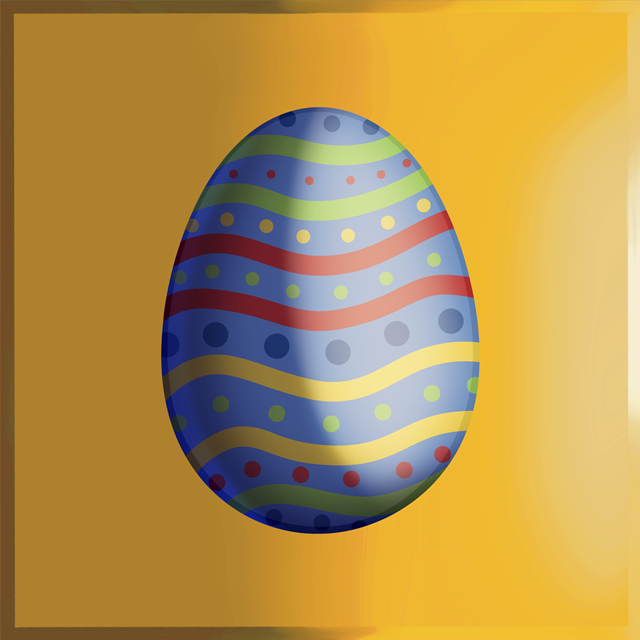
Definition: “Easter eggs,” or “Paschal eggs,” are decorative eggs that are often given as gifts, used in hunts, or served as part of Easter celebrations. They can be real eggs dyed and decorated, chocolate eggs, or plastic eggs filled with treats. Etymology: The term “Easter egg” combines “Easter,” the Christian holiday celebrating the resurrection of… Continue reading Easter Egg
Easter Chicken
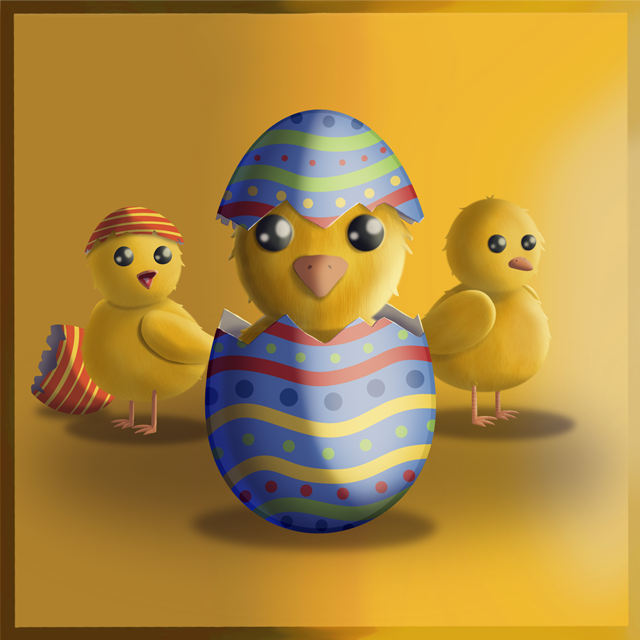
Definition: The “Easter chicken,” often referred to as the “Easter chick,” is a symbol associated with the Easter holiday. Etymology: The term “Easter chicken” or “Easter chick” combines “Easter,” the Christian holiday celebrating the resurrection of Jesus Christ, and “chicken” or “chick,” referring to the young bird that hatches from an egg. Description: Easter chicks… Continue reading Easter Chicken
Easter Candle
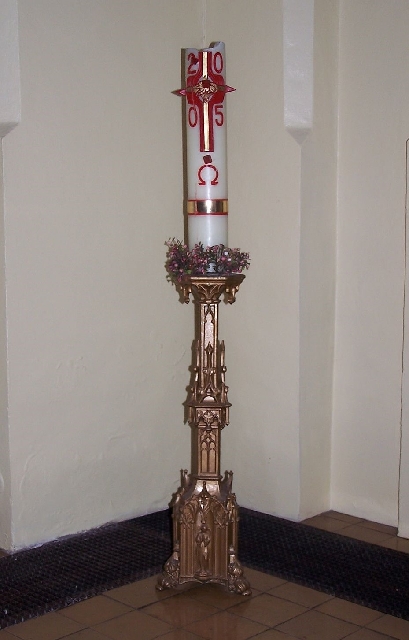
Definition: The “Easter candle,” also known as the “Pascal candle,” is a large, white candle used in liturgical celebrations in many Christian denominations, particularly during the Easter season, but also during baptisms and funerals. Etymology: The term “Paschal” comes from the Hebrew word “Pesach,” meaning Passover, which in Christian tradition has come to be associated… Continue reading Easter Candle
Easter Bunny
Definition: The “Easter Bunny” is a fictional character and symbol of Easter, depicted as a rabbit that brings Easter eggs to children. It is a beloved character in many Western cultures, often involved in Easter egg hunts and other holiday traditions. Etymology: The term “Easter Bunny” combines “Easter,” the Christian holiday celebrating the resurrection of… Continue reading Easter Bunny
Passion of Christ
Definition: The “Passion of Christ” is a fictional story that refers to the final period of Jesus Christ’s life, encompassing his suffering, crucifixion, and death. This period is central to Christian theology and commemorates the events leading up to and including Jesus’ crucifixion on Good Friday. Etymology: The term “Passion” comes from the Latin word… Continue reading Passion of Christ
Penitensya
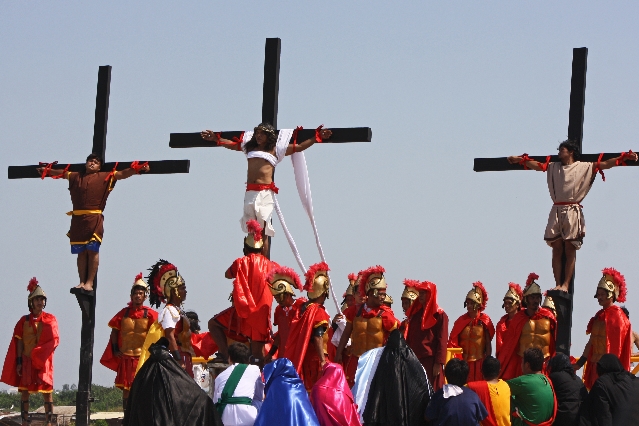
Definition: “Penitensya” is a Filipino term that refers to a practice within certain religious traditions, especially in the Philippines, where believers perform acts of self-punishment, self-mortification, or penance as a form of religious devotion and to express remorse for sins and seek forgiveness. Etymology: The term “penitensya” is derived from the Spanish word “penitencia,” which… Continue reading Penitensya
Easter Church Service
Definition: An “Easter church service” is a religious ceremony held in Christian churches to celebrate the resurrection of Jesus Christ from the dead. It is considered the most important and joyous event in the Christian liturgical year, marking the culmination of Holy Week and the end of Lent. Etymology: The term “Easter” derives from “Ēastre”… Continue reading Easter Church Service