
Definition: One of the most common objections to this definition of existence is that it is tautological, that is, merely stipulative and therefore said to add no information. The rebuttal is that existence is the core term of the entire conceptual structure of language. It is the only word that cannot be defined by adding… Continue reading Existence vs. Non-Existence
Category: World System
Epistemology
Definition: “Epistemology” is the branch of science concerned with the methods of determining what is true and what is not. It investigates how we come to understand reality, the reliability of various sources of information, and the criteria we use to distinguish knowledge from belief or opinion. Etymology: The word “epistemology” derives from the Greek… Continue reading Epistemology
Knowledge
Definition: “To know” is to be 100% certain that something is accurate by having proof. Etymology: The word “knowledge” derives from Middle English “knouleche,” from the verb “knowlechen,” which means “to acknowledge” or “to recognize.” This in turn came from “knowen” (to know) + “-leche,” a suffix related to the action or condition of a… Continue reading Knowledge
Political Horseshoe
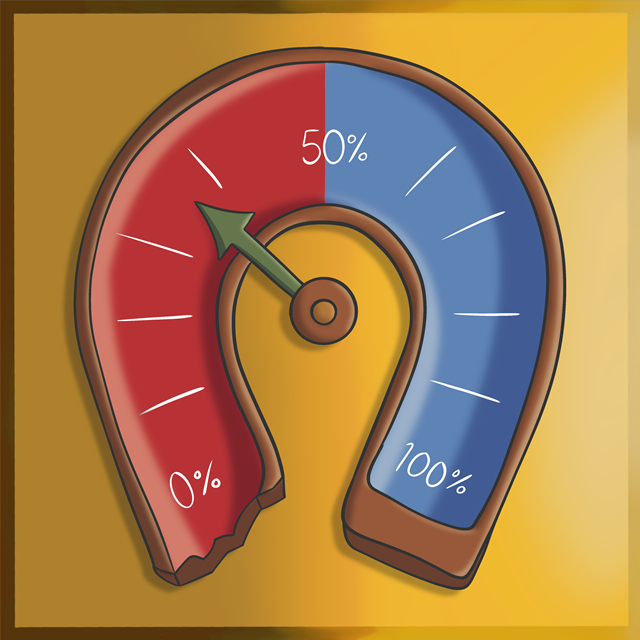
Definition: The “political horseshoe” is a model used to illustrate the political spectrum from between the left, center, and right. Etymology: The term originates from 20th-century political discourse, most notably associated with Jean-Pierre Faye, a French philosopher. He argued that the extremes of the political spectrum tend to resemble one another more than they do… Continue reading Political Horseshoe
Science
Definition: “Science” is a structured and methodical approach to acquiring knowledge, using observation, experimentation, and reasoning to understand, explain, and predict phenomena—whether in the natural world (as in physics or biology), in human behavior and society (as in sociology or economics), or within abstract systems (as in mathematics or linguistics). It involves creating models, theories,… Continue reading Science
Logic vs. Rationality vs. Rationalizing vs. Reasoning
Definition: “Logic” is the systematic study of valid reasoning. It involves principles and rules that determine whether an argument is valid or invalid, based on structure rather than content. “Rationality” refers to the quality of being reasonable, based on facts, proof, evidence, and logical thinking. It encompasses not just the structure of reasoning but also… Continue reading Logic vs. Rationality vs. Rationalizing vs. Reasoning
Conspiracy
Definition: A “conspiracy” involves two or more individuals with a shared agenda collaborating in opposition to others’ interests. (Even a surprise party for someone who wouldn’t want it can be classified as a conspiracy.) Etymology: The word “conspiracy” comes from the Latin “conspirare,” meaning “to plot together” or “to agree by oath.” It is a… Continue reading Conspiracy
Theory
Definition: A “theory” is a composition of proof that together forms an explanation. Etymology: The word “theory” originates from the Greek word “theoria” (θεωρία), which means “a looking at, viewing, or contemplation.” It was derived from “theoros,” a spectator or observer, linked to “thea” (sight) and “horan” (to see). This origin reflects the idea of… Continue reading Theory
Fact
Definition: A “fact” is a statement or piece of information that can be verified as accurate and corresponds to how things actually are. Facts are objective and independent of beliefs, opinions, or interpretations. Etymology: The word “fact” comes from the Latin term “factum,” meaning “a thing done or performed,” stemming from the verb “facere,” “to… Continue reading Fact
Proof vs. Evidence
Definition: “Proof” is a demonstration that establishes a statement as 100% accurate. “Evidence” is information or data that supports the accuracy or validity of a claim, but does not imply absolute certainty. Etymology: The word “proof” comes from the Old French “prove” or “prueve” and the Latin “probare,” meaning “to test” or “prove.” This origin… Continue reading Proof vs. Evidence
Big Brother
Definition: “Big Brother” is a term that refers to an authoritative or controlling figure or government that exercises oppressive surveillance and control over individuals. Etymology: The phrase “Big Brother” was popularized by George Orwell in his 1949 novel “1984.” In the novel, Big Brother is portrayed as the omnipresent, authoritarian leader of the Party, who… Continue reading Big Brother
Shopping
Definition: “Shopping” is the activity of browsing and purchasing goods or services from retailers. It involves the process of selecting, evaluating, and acquiring products or services to fulfill personal or household needs and desires. Etymology: The term “shopping” comes from the word “shop,” which originates from the Old English “sceoppa,” meaning “booth” or “stall.” The… Continue reading Shopping
Traffic
Definition: “Traffic” refers to the movement of vehicles, pedestrians, and animals along roads, streets, and pathways. It includes the flow of cars, trucks, bicycles, and other modes of transportation, as well as the regulations and infrastructure designed to manage and control this movement. Etymology: The word “traffic” comes from the Old Italian word “traffico,” which… Continue reading Traffic
Queuing
Definition: “Queuing” refers to the process of forming and waiting in a line or sequence to receive a service, purchase goods, or gain access to a place. Etymology: The term “queuing” comes from the French word “queue,” meaning “tail,” which in turn derives from the Latin word “cauda.” The concept is related to the idea… Continue reading Queuing
Public Outcry
Definition: “Public outcry” refers to a strong and widespread expression of protest, disapproval, or outrage by the general public. It often arises in response to actions, events, or decisions that are perceived as unjust, harmful, or controversial. Etymology: The term “outcry” comes from the Old English “utcrien,” meaning “to cry out.” “Public” is derived from… Continue reading Public Outcry
Bullying
Definition: “Bullying” is the repetitive, intentional harming of one individual by another through physical, verbal, or psychological means, often involving an imbalance of power. Etymology: The word “bully” comes from the Dutch “boel,” meaning “lover” or “friend,” but the meaning shifted over time to refer to a person who uses strength or power to harm… Continue reading Bullying
Trend
Definition: A “trend” is a general direction in which something is developing or changing over time. Trends can occur in various contexts, such as fashion, technology, economics, culture, and social behavior. They represent prevailing tendencies, styles, or preferences within a particular period. Etymology: The word “trend” originates from the Old English “trendan,” meaning “to revolve… Continue reading Trend
Hooliganism
Definition: “Hooliganism” refers to violent, aggressive, and disorderly behavior, often associated with sports fans, particularly football (soccer) supporters. It involves acts of vandalism, brawls, and other forms of public disturbance and is typically driven by intense loyalty to a team or a desire to cause trouble. Etymology: The term “hooliganism” is believed to have originated… Continue reading Hooliganism
Team
Definition: A “team” is a group of individuals who come together to achieve a common goal. Teams are characterized by collaboration, shared responsibilities, and a collective commitment to the success of the group. Teams can be found in various contexts, including sports, business, education, and other collaborative environments. Etymology: The word “team” comes from the… Continue reading Team
Gang
Definition: A “gang” is a group of individuals. Gangs can refer to any organized group of people, although the term generally has negative connotations due to its association with crime and violence. Etymology: The word “gang” originates from the Old English “gang,” meaning a going, journey, or a way. Over time, it evolved to refer… Continue reading Gang
Audience
Definition: An “audience” is a group of people who gather to watch, listen to, or participate in an event, performance, or presentation. Etymology: The word “audience” comes from the Latin “audientia,” meaning “a hearing” or “listening.” It is derived from “audire,” which means “to hear.” This origin reflects the traditional role of the audience as… Continue reading Audience
Gathering
Definition: A “gathering” is an assembly or meeting of people, typically for a specific purpose such as a social, cultural, religious, or professional event. Gatherings can range in size from small, informal get-togethers to large, formal conventions. Etymology: The word “gathering” comes from the Old English “gaderian,” meaning “to bring together” or “to assemble.” This… Continue reading Gathering
Retirement
Definition: “Retirement” is the period in life when an individual stops working full-time or withdraws from their professional career, usually upon reaching a certain age or after achieving financial stability. Etymology: The word “retirement” comes from the French “retirer,” meaning “to withdraw” or “to retreat,” which is derived from the Latin “re-” (back) and “tirare”… Continue reading Retirement
Midlife Crisis
Definition: A “midlife crisis” is a belief that a period of emotional turmoil and self-reflection occurs in middle adulthood, often between the ages of 40 and 60. During this time, individuals may experience feelings of dissatisfaction, and a desire for significant change in various aspects of their lives, including career, relationships, and personal goals. Etymology:… Continue reading Midlife Crisis
Reproduction
Definition: “Reproduction” is the biological process by which new individual organisms are produced. It is a fundamental feature of all known life and ensures the continuation of species. Reproduction can be sexual or asexual. Etymology: The word “reproduction” comes from the Latin “reproductionem,” meaning “a bringing forth again,” derived from “re-” (again) and “producere” (to… Continue reading Reproduction
Work
Definition: “Work” refers to activities involving mental or physical effort done in order to achieve a purpose or result. Typically, it is performed to earn a livelihood, fulfill duties, or contribute to society. The word “work” is a polysemous word and can mean different things depending on the context. It can refer to your job… Continue reading Work
Military
Definition: The “military” refers to the armed forces of a country, responsible for defending the nation against external threats, maintaining internal order, and supporting national interests. Etymology: The word “military” comes from the Latin word “militaris,” meaning “of soldiers or war,” derived from “miles,” meaning “soldier.” Description: “Defending the nation against external threats” and “supporting… Continue reading Military
School Education
Definition: “School education” refers to the formal instruction provided to students in an institutional setting, typically from early childhood through adolescence. It encompasses a wide range of subjects and skills, aiming to equip students with knowledge, social skills, and other competencies necessary for personal development and getting out in the workforce. Etymology: The word “school”… Continue reading School Education
Countdown
Definition: A “countdown” is a sequential counting backward from a higher number to zero, often used to signal the approach of an event or the start of a process. Etymology: The term “countdown” is a compound word formed from “count,” which comes from the Old French “conter” and Latin “computare,” meaning “to calculate,” and “down,”… Continue reading Countdown
Christmas Gift

Definition: A “Christmas gift” is a present given during the Christmas season to celebrate the holiday, express love and gratitude, and share joy with others. Etymology: The term “Christmas” comes from Old English “Cristes mæsse,” meaning “Christ’s Mass,” and “gift” comes from Old English “gift,” meaning “something given.” The English word “gift” and the German… Continue reading Christmas Gift
Christmas Shopping

Definition: “Christmas shopping” refers to the practice of purchasing gifts, Christmas decorations, and festive supplies in preparation for the Christmas holiday. This activity typically takes place during the weeks leading up to Christmas and is characterized by a surge in retail sales and consumer spending. Etymology: The term “Christmas” comes from Old English “Cristes mæsse,”… Continue reading Christmas Shopping
Time
Definition: “Time” is a continuous, irreversible progression through which events occur from the past, through the present, and into the future. It is a fundamental concept in physics and human experience, often measured in units such as seconds, minutes, hours, days, years, and so on. Etymology: The word “time” comes from the Old English “tīma,”… Continue reading Time
Safety in Numbers
Definition: “Safety in numbers” is a belief that individuals are less likely to be harmed or face danger when they are part of a larger group. This principle is often based on the idea that being in a group provides protection, deters predators or threats, and enhances the ability to respond to dangers effectively. Etymology:… Continue reading Safety in Numbers
Fear of Missing Out
Definition: “Fear of Missing Out” (FOMO) is a belief characterized by a pervasive apprehension that others might be having rewarding experiences from which one is absent. This fear often leads to a desire to stay continually connected with what others are doing. Etymology: The term “Fear of Missing Out” was coined in the early 2000s… Continue reading Fear of Missing Out
Logical Fallacy
Definition: A “logical fallacy” is an error in reasoning that renders an argument invalid. Etymology: The term “logical fallacy” comes from the Latin “fallacia,” meaning “deception” or “trick.” The term “logical” pertains to the principles of valid reasoning. Description: The study of logical fallacies is part of the scientific field called epistemology, which examines the… Continue reading Logical Fallacy
Argumentum ad Populum
Definition: “Argumentum ad populum,” also known as the “appeal to popularity” or “bandwagon fallacy,” is a logical fallacy that occurs when something is considered true or right simply because it is widely believed or practiced by many people. This fallacy relies on the popularity of a belief as evidence for its validity, rather than presenting… Continue reading Argumentum ad Populum
Family Tree
Definition: A “family tree” is a graphical representation of the genetic and familial relationships between individuals within a family or lineage. Etymology: The term “family tree” combines two words: “family” and “tree.” The word “family” originates from the Latin word “familia,” which referred to a household or household servants. Over time, its meaning expanded to… Continue reading Family Tree
Evolutionary Tree
Definition: An “evolutionary tree,” often referred to as a phylogenetic tree, is a visual representation of the evolutionary relationships between different species or groups of organisms. Etymology: The word “evolution” comes from the Latin “evolutio,” which means “to unroll” or “to develop gradually.” It was first used in the 17th century by Johannes Kepler, a… Continue reading Evolutionary Tree
Caduceus

Definition: The “caduceus” is a symbol traditionally associated with Hermes (Mercury in Roman mythology), the Greek god of messengers, commerce, and trade. It features a short staff entwined by two serpents, sometimes topped with a pair of wings. Etymology: The term “caduceus” comes from the Latin “caduceus,” derived from the Greek “kērykeion,” meaning “herald’s staff.”… Continue reading Caduceus
Papal Ferula

Definition: A “papal ferula” is a ceremonial staff carried by the Pope. Etymology: The term “ferula” comes from the Latin word “ferula,” meaning “rod” or “staff.” It has historically been used to refer to a staff or scepter carried as a symbol of authority. Description: The papal ferula traditionally features a simple, cross-bearing design. Recent… Continue reading Papal Ferula
Thyrsus

Definition: A “thyrsus” is a staff or wand entwined with ivy and topped with a pine cone, associated with Dionysus (Bacchus), the Greek (and Roman) god of wine, fertility, and revelry. Etymology: The term “thyrsus” comes from the Greek word “thyrsos,” which means a stalk or stem. The word was adopted into Latin as “thyrsus”… Continue reading Thyrsus
Love

Definition: The word “love” is a label for a complex and multifaceted emotion, encompassing feelings of deep affection, attachment, care, and compassion for someone, something or some idea. It comes in various forms, including romantic love, familial love, platonic love, and self-love. Etymology: The word “love” comes from the Old English “lufu,” which is related… Continue reading Love
Authority
Definition: “Authority” refers to someone who determines others’ mandates and prohibitions. Etymology: The word authority originates from the Latin word “auctoritas,” which is composed of “auctor,” meaning creator, and “itas,” meaning condition. The word “creator” is the same word as God. God through religion is posed as the authority of the whole universe. The Bible:… Continue reading Authority
Flag
Definition: A “flag” is a piece of fabric, often rectangular or square, that is attached by one edge to a pole or rope. Etymology: The word “flag” comes from the Middle English word “flagge,” which likely has Scandinavian origins. It is related to the Old Norse word “flog,” meaning “a piece of cloth” or “a… Continue reading Flag
Banner
Definition: A “banner” is a long strip of cloth or other material, often bearing a symbol, slogan, or design, that is used for display or advertising purposes. Etymology: The word “banner” comes from the Old French word “baniere,” which is derived from the Late Latin “bandum,” meaning “a flag or standard.” The term has Germanic… Continue reading Banner
Emblem
Definition: An “emblem” is a symbolic representation, often consisting of a design, picture, or object, that serves as a recognizable sign or mark of an idea, organization, nation, or individual. Etymology: The word “emblem” comes from the Middle French word “emblème,” which in turn comes from the Latin “emblema,” meaning “an inlaid or mosaic work.”… Continue reading Emblem
Scepter

Definition: “Scepters” are ceremonial staffs held by rulers as a symbol of their authority and sovereignty. Etymology: The word “scepter” comes from the Latin “sceptrum,” which in turn is derived from the Greek “skēptron,” meaning “staff” or “baton.” This term has been used in English since the Middle Ages to denote a symbol of regal… Continue reading Scepter
Throne

Definition: A “throne” is a ceremonial chair or seat of state, often ornate and elevated, used by a sovereign or high-ranking religious leader as a symbol of authority and power. Etymology: The word “throne” comes from the Greek “thronos,” meaning a seat or chair of authority, which was adopted into Latin as “thronus” and into… Continue reading Throne
Capitalism (The Global Monetary System)
Definition: “Capitalism” is a belief that ownership exists and how it can be improved. Capitalism is most commonly defined as an economic system characterized by private ownership of the means of production and operation for profit. In a capitalist economy, investments, distribution, income, production, and pricing of goods and services are determined by private individuals… Continue reading Capitalism (The Global Monetary System)
Hierarchy

Definition: “Hierarchy” is a structure that categorizes units or individuals based on relative levels of authority, power, or importance. Etymology: The word “hierarchy” originates from the Greek word “hierarkhia,” composed of “hieros,” meaning “sacred,” and “arkhein,” meaning “to rule” or “leadership.” It was first used in English in the 1500s and originally referred to the… Continue reading Hierarchy
V for Vendetta Mask

Description: “V for Vendetta mask,” also known as “The Guy Fawkes mask,” popularized by the graphic novel and film “V for Vendetta,” has been adopted by some anarchists and activists as a symbol of resistance against tyranny and oppression. The mask represents the idea of anonymous collective action and the power of ordinary people to… Continue reading V for Vendetta Mask
Molotov Cocktail
Description: The “molotov cocktail,” a crude incendiary weapon made from a glass bottle filled with flammable liquid and a cloth wick, has been used as a symbol of anarchist resistance and insurrection. It represents the idea of fighting back against oppressive regimes and institutions.
Riot Gear

Description: “Riot gear,” including masks, helmets, and gas masks, is sometimes used as a symbol of resistance and direct action. These items are often worn by anarchists and other activists during protests and demonstrations to protect against police repression and to signify defiance against state authority.
The Black Cat

Description: “The Black Cat,” also known as “The Black Cat of the industrial Workers of the World,” is a symbol of anarchism that dates back to the late 19th century. It became associated with anarchism during the Paris Commune of 1871 when anarchists adopted the black cat as a symbol of resistance. The black cat… Continue reading The Black Cat
Black Flag

Definition: A “black flag” is a prominent symbol of anarchism. Description: The black flag is often displayed at protests, demonstrations, and other events as a symbol of resistance and solidarity. The black flag has historically been associated with anarchist movements and has been used to represent opposition to state power and capitalism.
Solidarity Fist

Description: The “solidarity fist,” also known as the “raised fist” or “clenched fist,” is a symbol of unity, strength, and solidarity. It has been used by various social justice movements, including anarchism, to represent collective resistance and the struggle for justice and equality.
Circled-A
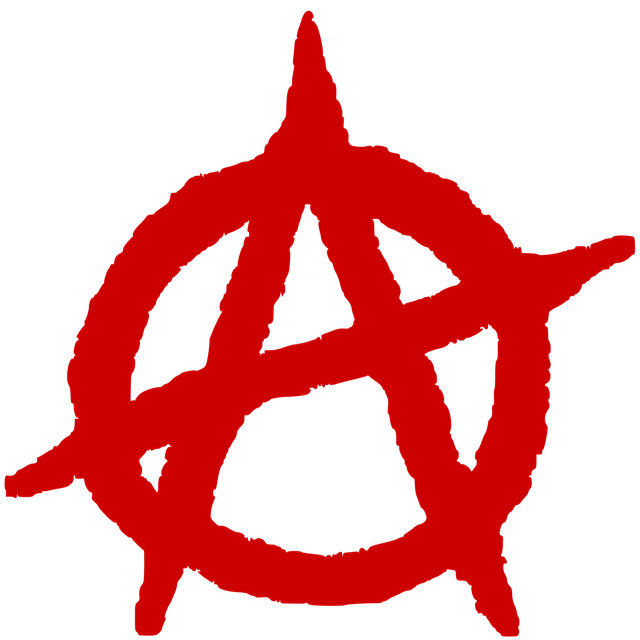
Description: The “circled-A” is perhaps the most recognizable symbol of anarchy. It consists of a capital letter “A” enclosed within a circle. This symbol has been widely adopted by anarchist movements and is used to signify resistance to authority, rejection of hierarchy, and advocacy for individual autonomy and self-governance. The circled-A symbol is made up… Continue reading Circled-A
Chemoreceptive Language
Definition: “Chemoreceptive language” refers to the communication system used by organisms to perceive and interpret chemical signals in their environment. Etymology: The term “chemoreceptive” can be broken down into two parts: The prefix “chemo-” comes from the Greek word “χημεία” (khemeia), meaning “alchemy” or “chemistry.” In modern usage, “chemo-” typically refers to chemicals or chemistry-related… Continue reading Chemoreceptive Language
Herd Mentality

Definition: “Herd mentality,” also known as “sheep mentality,” “mob mentality,” “pack mentality,” or “group behavior,” refers to a behavior where individuals follow the actions of the crowd or group without exercising independent thinking or judgment of the situation.” Etymology: The term “herd mentality” is derived from the behavior of animals, particularly herd animals like sheep, which… Continue reading Herd Mentality
Beginning and End
Definition: The term “beginning” refers to the initial point or starting phase of something, while “end” denotes the conclusion or final stage. These terms are often used to describe the start and finish of processes, events, or periods of time. Etymology: The word “beginning” evolved from Proto-Germanic biginnaną, meaning “to begin,” which itself is derived… Continue reading Beginning and End
Anarchy
Definition: “Anarchy” means “without authority.” Etymology: The word “anarchy” derives from the Greek word “anarkhia,” which combines “an,” meaning “without,” and “arkhos,” meaning “ruler” or “authority.” Thus, “anarkhia” literally translates to “without ruler” or “without authority.” Description: Anarchy is a concept often associated with the absence of government or centralized authority. In an anarchic society,… Continue reading Anarchy
Religion
Definition: “Religion” is a structured collection of lies designed to limit our thinking by manipulating language. Etymology: The word “religion” originates from the Latin word “religio,” which has several proposed meanings, including “reverence for the gods,” “conscientiousness,” or “scrupulousness.” Another proposed root of the word “religion” is the Latin verb “religare,” meaning “to bind” or… Continue reading Religion