

Definition: The “caduceus” is a symbol traditionally associated with Hermes (Mercury in Roman mythology), the Greek god of messengers, commerce, and trade. It features a short staff entwined by two serpents, sometimes topped with a pair of wings. Etymology: The term “caduceus” comes from the Latin “caduceus,” derived from the Greek “kērykeion,” meaning “herald’s staff.”… Continue reading Caduceus
Category: Authority
Papal Ferula

Definition: A “papal ferula” is a ceremonial staff carried by the Pope. Etymology: The term “ferula” comes from the Latin word “ferula,” meaning “rod” or “staff.” It has historically been used to refer to a staff or scepter carried as a symbol of authority. Description: The papal ferula traditionally features a simple, cross-bearing design. Recent… Continue reading Papal Ferula
Thyrsus
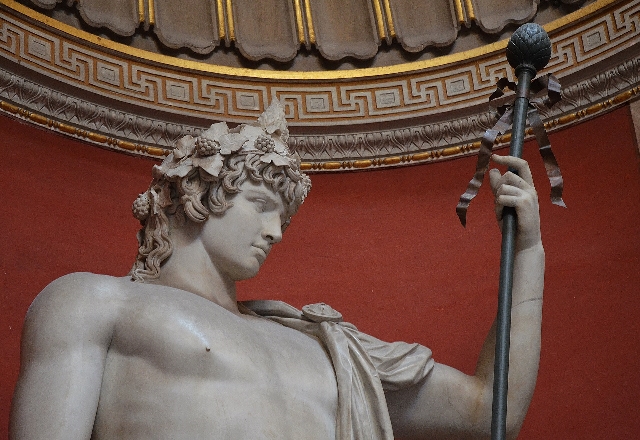
Definition: A “thyrsus” is a staff or wand entwined with ivy and topped with a pine cone, associated with Dionysus (Bacchus), the Greek (and Roman) god of wine, fertility, and revelry. Etymology: The term “thyrsus” comes from the Greek word “thyrsos,” which means a stalk or stem. The word was adopted into Latin as “thyrsus”… Continue reading Thyrsus
Emblem
Definition: An “emblem” is a symbolic representation, often consisting of a design, picture, or object, that serves as a recognizable sign or mark of an idea, organization, nation, or individual. Etymology: The word “emblem” comes from the Middle French word “emblème,” which in turn comes from the Latin “emblema,” meaning “an inlaid or mosaic work.”… Continue reading Emblem
Scepter

Definition: “Scepters” are ceremonial staffs held by rulers as a symbol of their authority and sovereignty. Etymology: The word “scepter” comes from the Latin “sceptrum,” which in turn is derived from the Greek “skēptron,” meaning “staff” or “baton.” This term has been used in English since the Middle Ages to denote a symbol of regal… Continue reading Scepter
Throne

Definition: A “throne” is a ceremonial chair or seat of state, often ornate and elevated, used by a sovereign or high-ranking religious leader as a symbol of authority and power. Etymology: The word “throne” comes from the Greek “thronos,” meaning a seat or chair of authority, which was adopted into Latin as “thronus” and into… Continue reading Throne
Capitalism (The Global Monetary System)
Definition: “Capitalism” is a belief that ownership exists and how it can be improved. Capitalism is most commonly defined as an economic system characterized by private ownership of the means of production and operation for profit. In a capitalist economy, investments, distribution, income, production, and pricing of goods and services are determined by private individuals… Continue reading Capitalism (The Global Monetary System)