
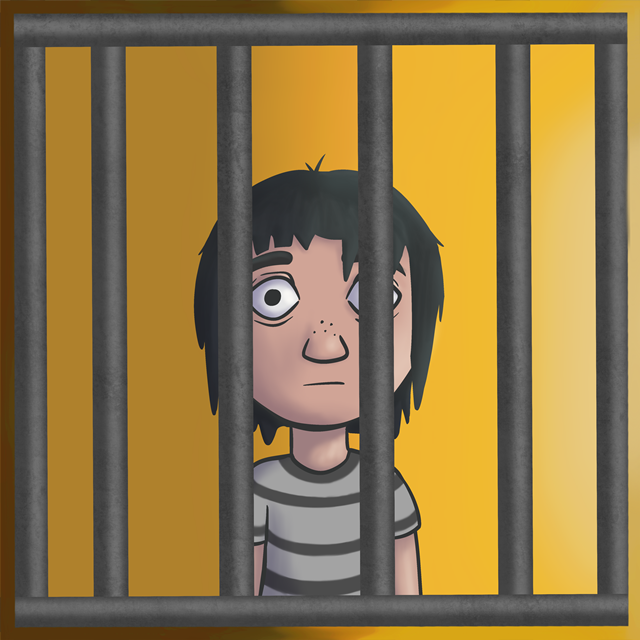
Definition:
“Eye Behind Bars” refers to a symbol in which one–eye symbolism is combined with objects associated with confinement or restriction, such as prison bars, fences, cages, grilles, or similar barriers, as well as shapes associated with confinement or restriction, such as squares, rhombuses, cubes, circles, triangles, or similar hollow shapes.
Etymology:
“Eye” comes from Old English “ēage”, meaning the organ of sight. “Behind” comes from Old English “behindan”, meaning at the back of or beyond. “Bars” comes from Old French “barre”, meaning a rod, barrier, or obstruction.
Together, “Eye Behind Bars” forms a symbolic phrase rather than a traditional idiom.
Description:
“Eye Behind Bars” is primarily a visual symbolic construct in which a single eye is combined with objects associated with confinement, such as prison bars, fences, cages, grilles, chains, or similar restrictive structures. The eye does not necessarily have to appear literally behind the barrier; it may be framed, intersected, partially obscured, enclosed, or visually connected to the confining structure in some way.
The symbolism combines the meaning of the one–eye motif with the meaning of restriction, entrapment, or confinement.
The single eye is commonly associated with fantasy, imagination, illusion, deception, secrecy, selective perception, or incomplete truth. Because only one eye is shown instead of full vision, it can symbolize partial understanding, distorted reality, or a controlled perspective.
When combined with confinement symbolism, the image typically represents a person, belief system, ideology, narrative, or mental state so deeply structured around fictional, deceptive, or illusory ideas that escaping from it becomes extremely difficult or seemingly impossible. It symbolizes a form of psychological, ideological, or perceptual imprisonment in which falsehood becomes convincing enough to feel real.
The symbolism can also represent perception trapped within an artificial framework, where awareness itself becomes confined by limitation, manipulation, or distortion. In this interpretation, the restrictive structure symbolizes confinement, while the eye symbolizes a narrowed or imprisoned perception of reality.
This type of symbolism is usually visual rather than verbal and is often used subliminally or semi-subliminally in media, films, advertising, propaganda, artwork, logos, photography, and symbolic imagery. It may appear briefly, partially hidden, stylized, or embedded into larger visual compositions, making it difficult to consciously detect unless actively looked for.
Articles:
Freedom
Definition: “Freedom” is the belief or perception of being without significant constraint or oppression. “Liberty” is freedom within certain boundaries or rules designed to maintain order. Etymology: The word “freedom”…
Illuminati

Definition: “Illuminati” refers to individuals who understand how language, religion, and the world system are scams. Etymology: The term “Illuminati” originates from Latin and means “the enlightened.” It is derived…
Marriage
Definition: “Marriage” is a fictional concept; it is a legally and socially recognized union, typically between two individuals, and typically involving mutual obligations and rights. Etymology: The word “marriage” comes…
Political Horseshoe
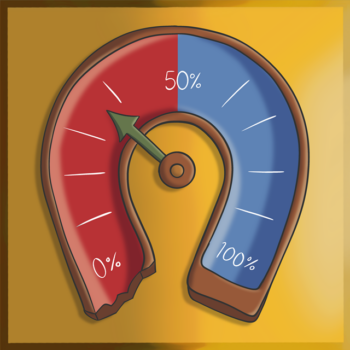
Definition: The “political horseshoe” is a model used to illustrate the political spectrum from between the left, center, and right. Etymology: The term originates from 20th-century political discourse, most notably…
Seal
Definition: A heraldic or symbolic “seal” is an emblem or insignia used primarily for authentication and to signify authority, ownership, or identity. These seals often incorporate coats of arms, crests,…
Slavery
Definition: “Slavery” is when a person is completely controlled by another and is not free to refuse work, leave, or live for themselves — under threat of violence, survival deprivation,…
The Circle of Life
Definition: “The Circle of Life” is a fictional concept that refers to the cycle of birth, growth, reproduction, death, and renewal that is observed in all living organisms. This concept…
The Story of Moses
Definition: Moses is a central figure in Abrahamic religions, revered as a prophet, lawgiver, and leader who delivered the Israelites from slavery in Egypt. His story is primarily written in…
The World Tree
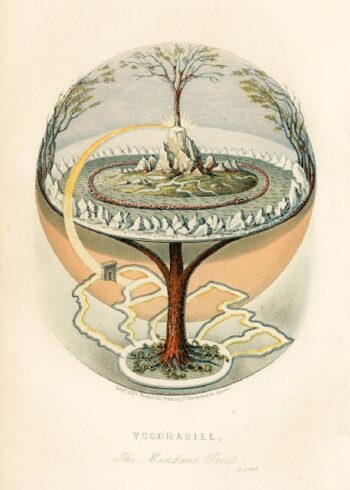
Oluf Olufsen Bagge – Yggdrasil, The Mundane Tree (1847). “The World Tree” is illustrated as a massive tree holding up the world with its three branches. The world is inside…
Web of Language
Description: Religion works like a network in the brain. At the center of the web is the concept of God’s existence. In every cross of the web around the word…
Symbolism:
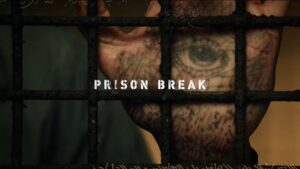
The TV series “Prison Break” is filled with imprisoned-in-fantasy symbolism. Eye-behind-bars symbolism appears so frequently throughout the show that several variations of it are even featured in the opening sequences across multiple seasons.
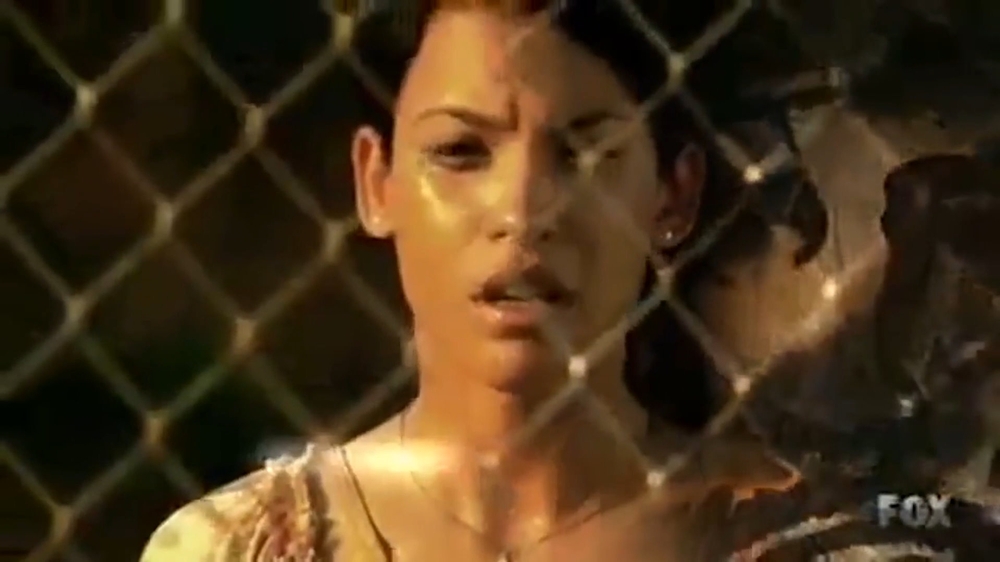
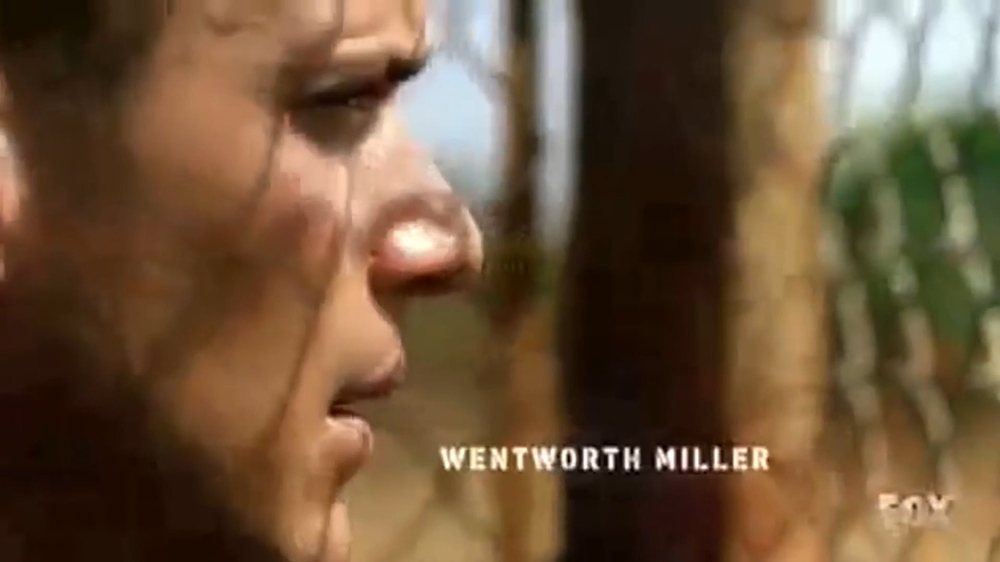
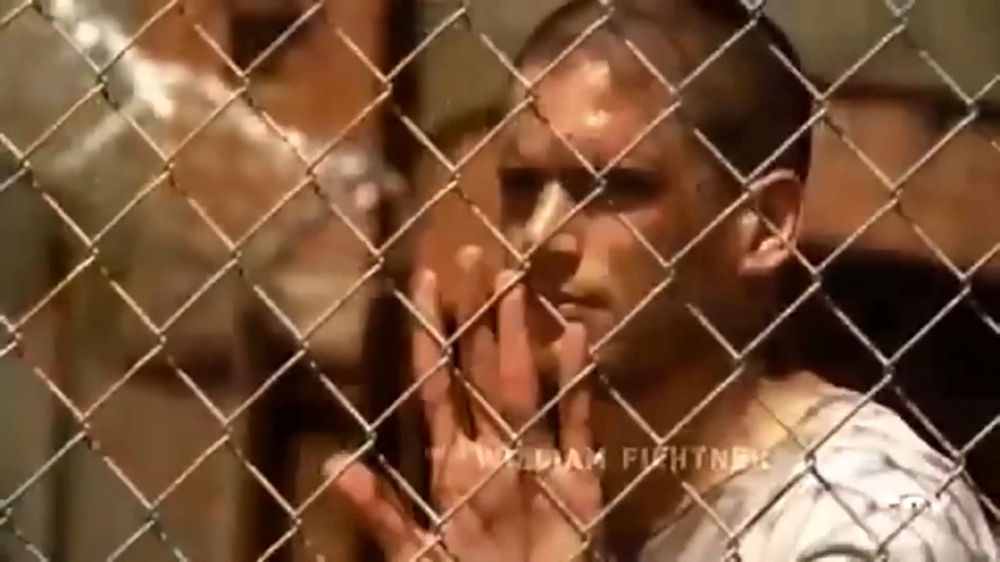
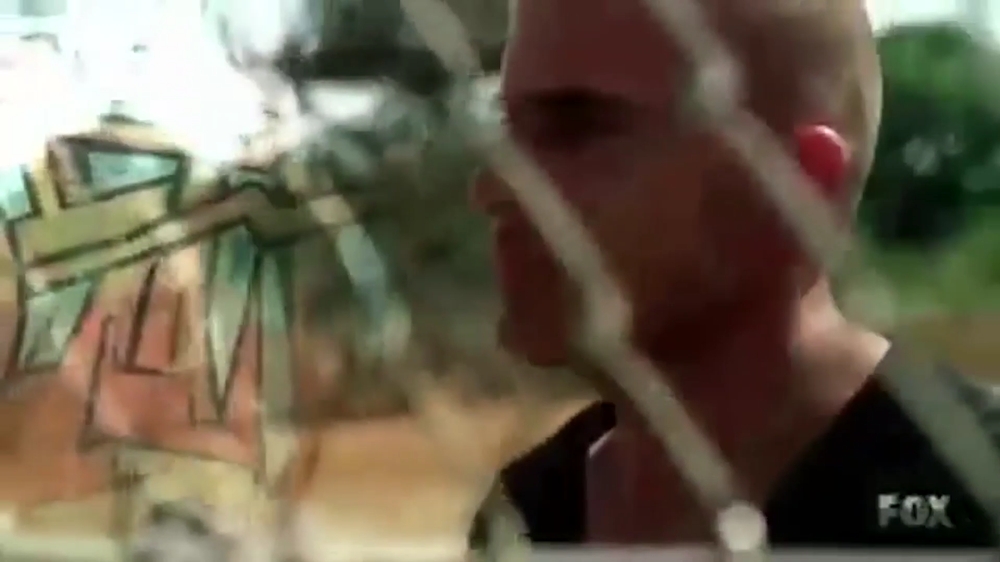
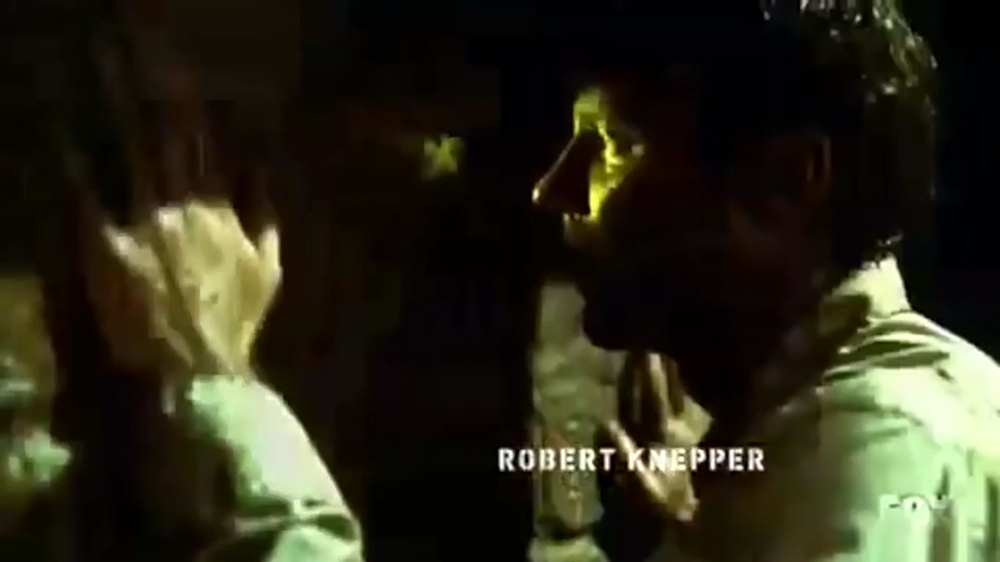
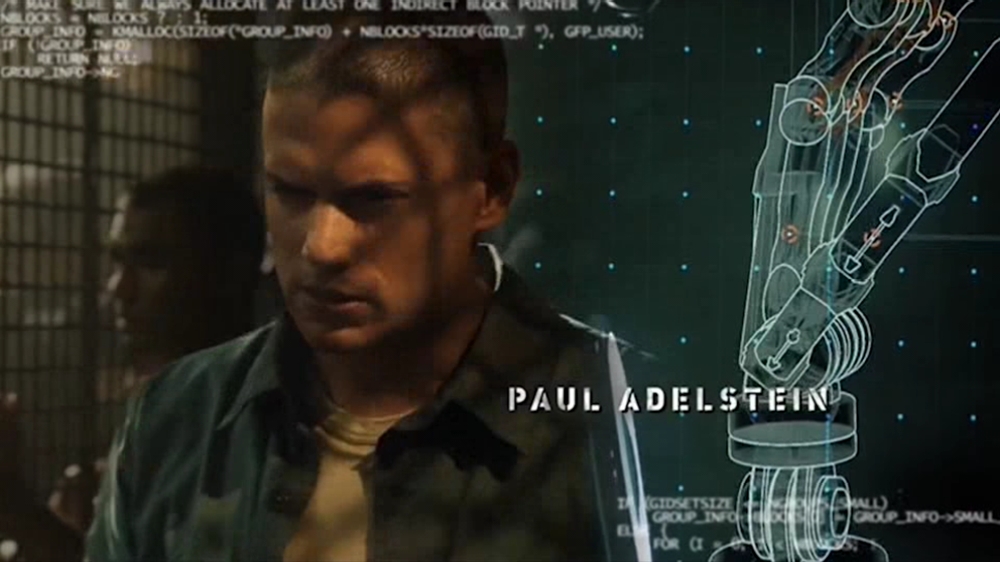
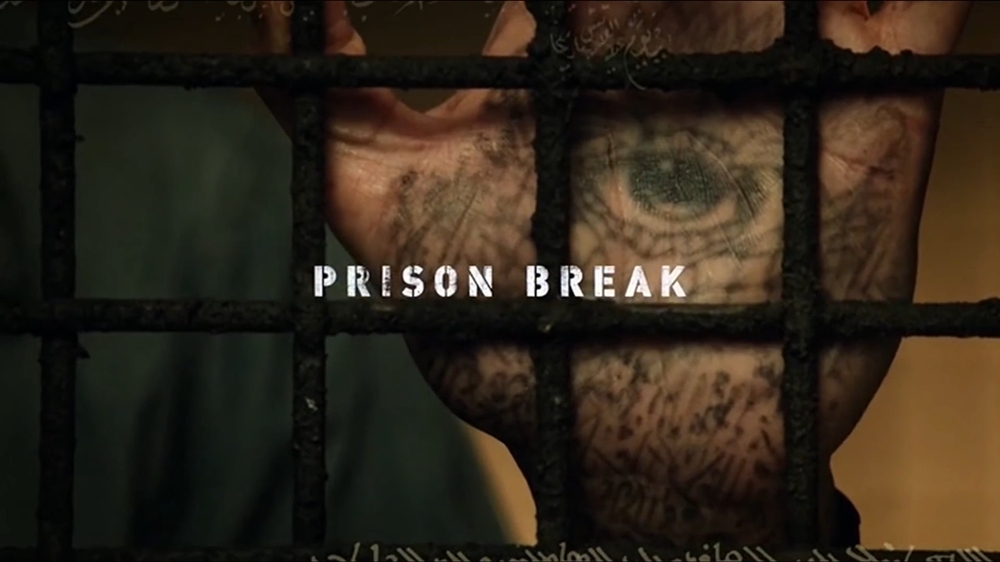
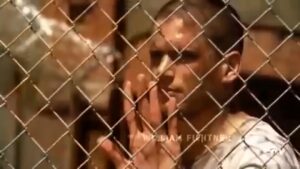
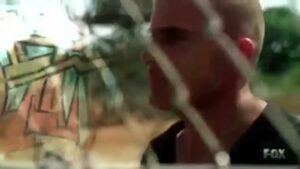
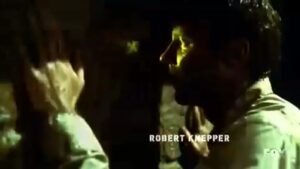
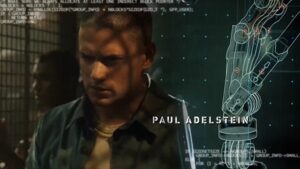
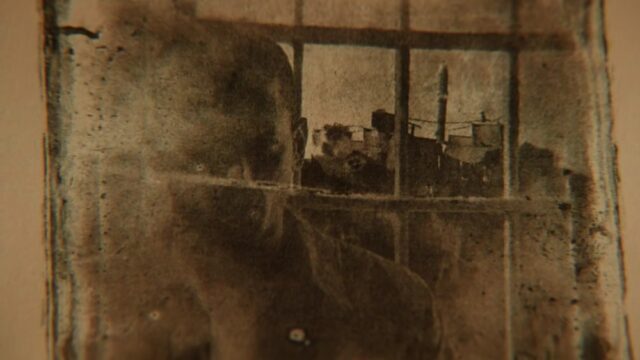
There’s one specific example of eye-behind-bars symbolism from season 5 of “Prison Break” worth pointing out. Theodore “T-Bag” Bagwell receives a photograph of Michael Scofield in which only Michael’s left eye is visible behind bars. The image reveals that Michael is still alive and imprisoned in Yemen, and we soon learn that he is living under the false identity “Kaniel Outis.” The imprisoned-in-fantasy symbolism is clear, as Michael is literally trapped behind bars while also living imprisoned within a fabricated identity and false life.
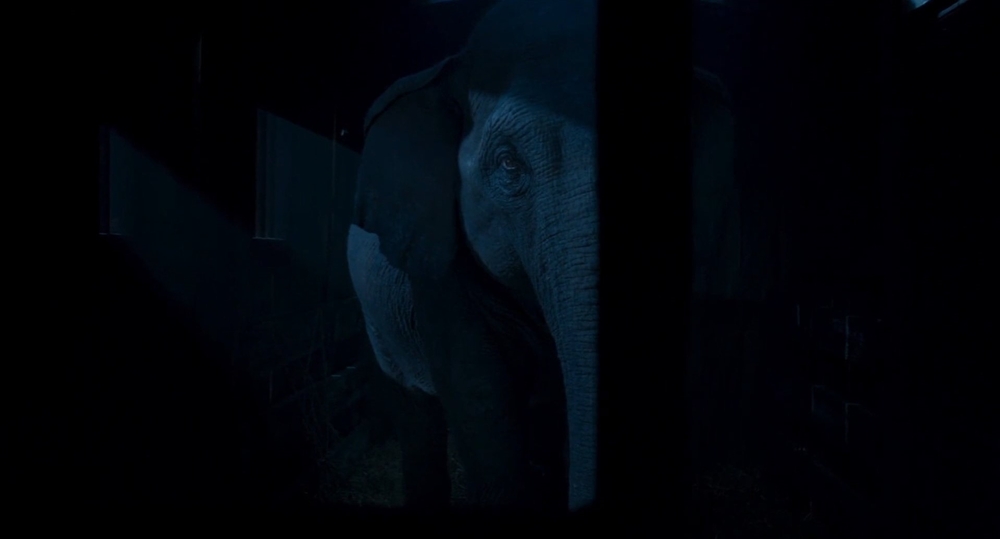
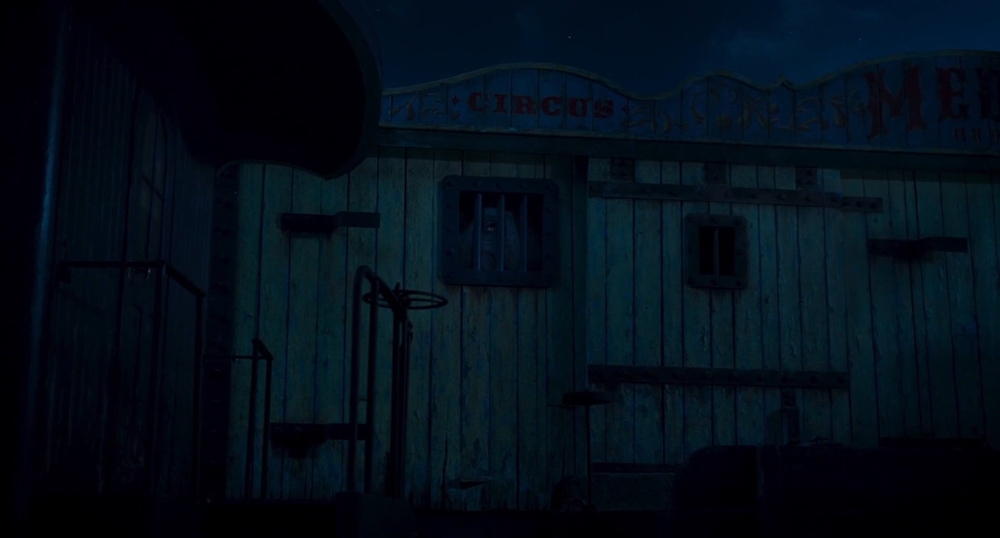
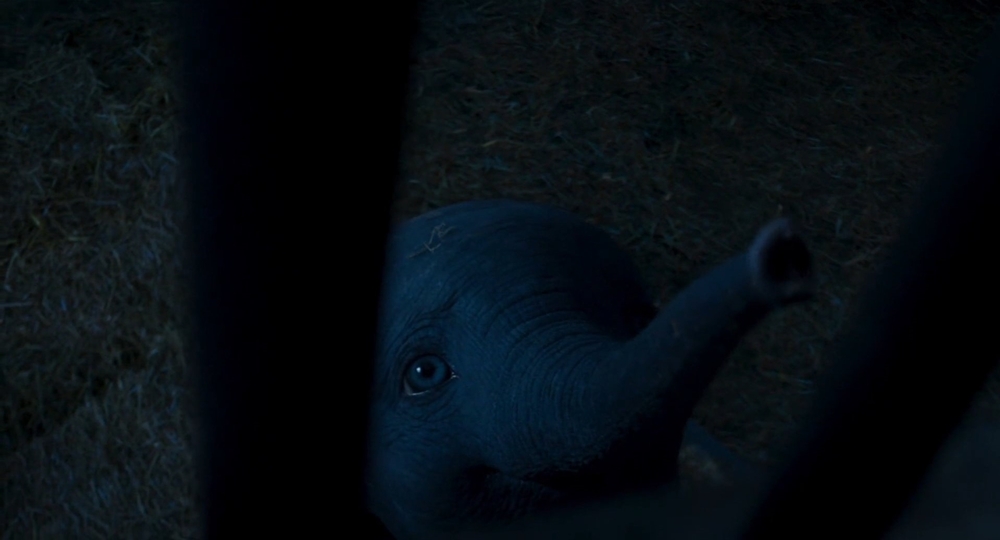
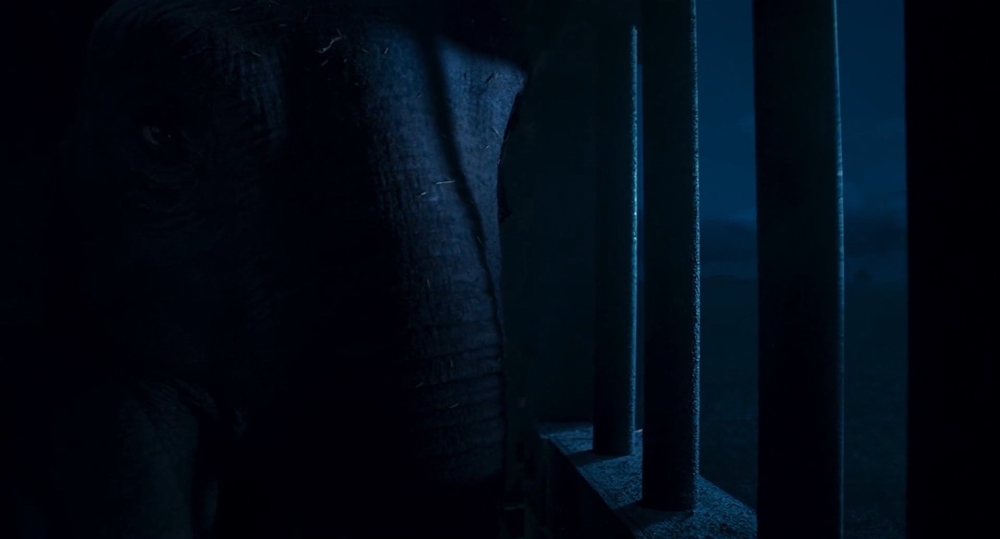
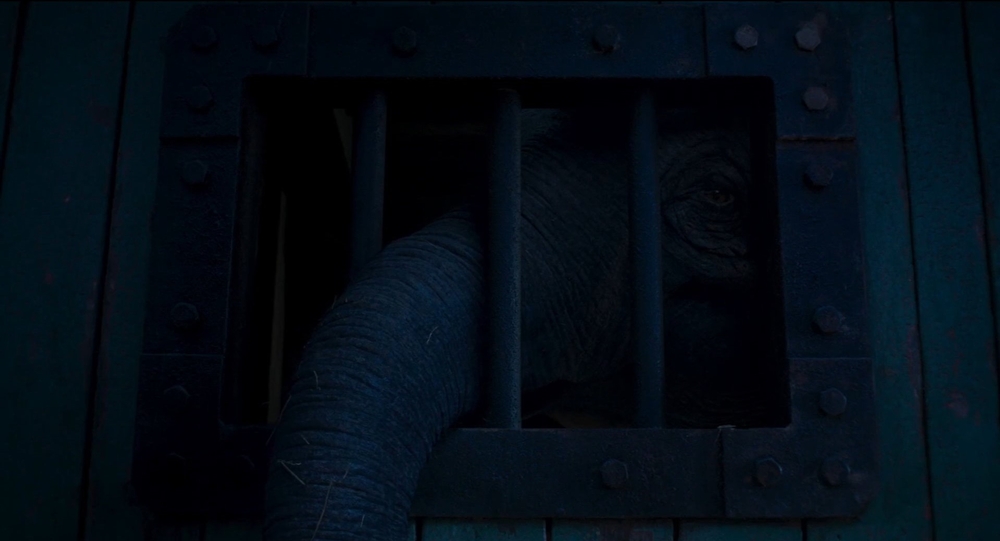
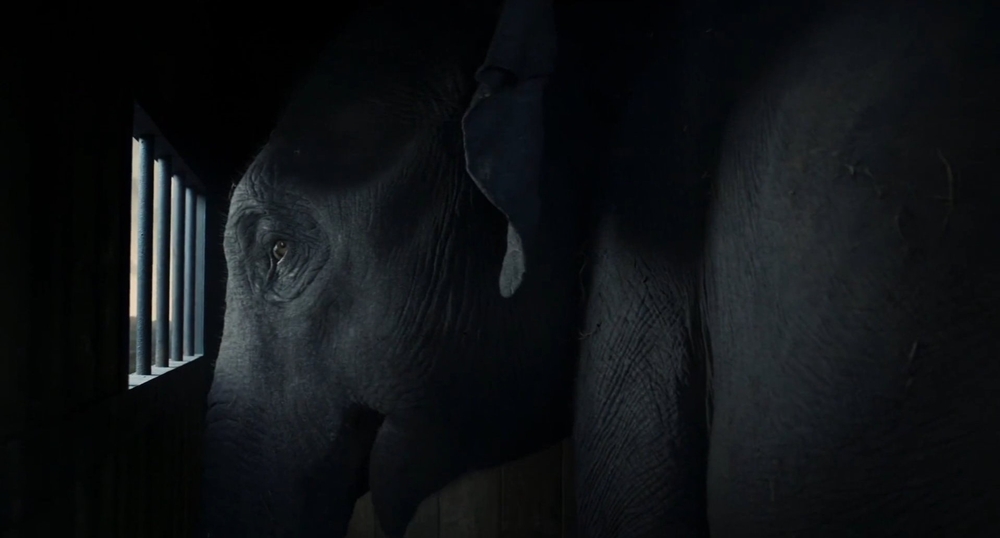
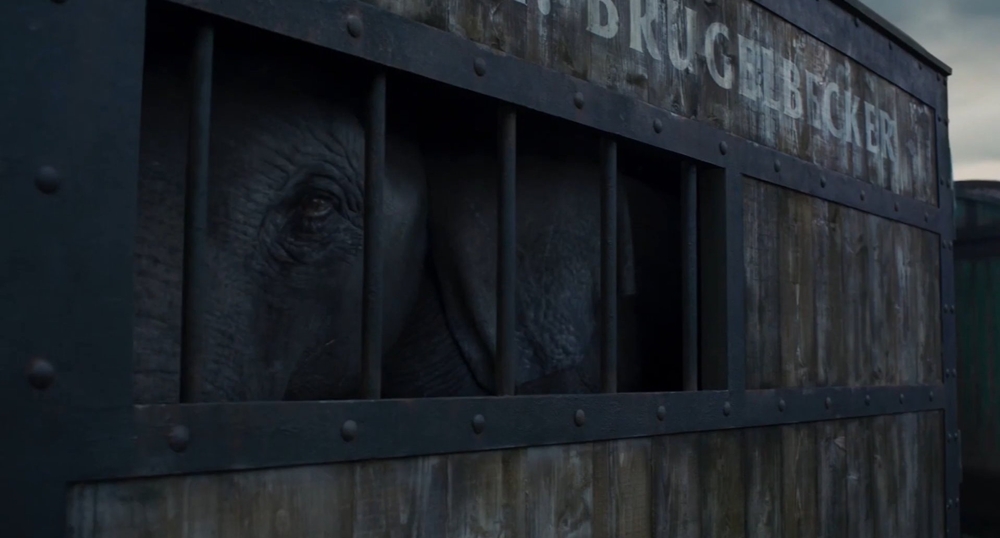
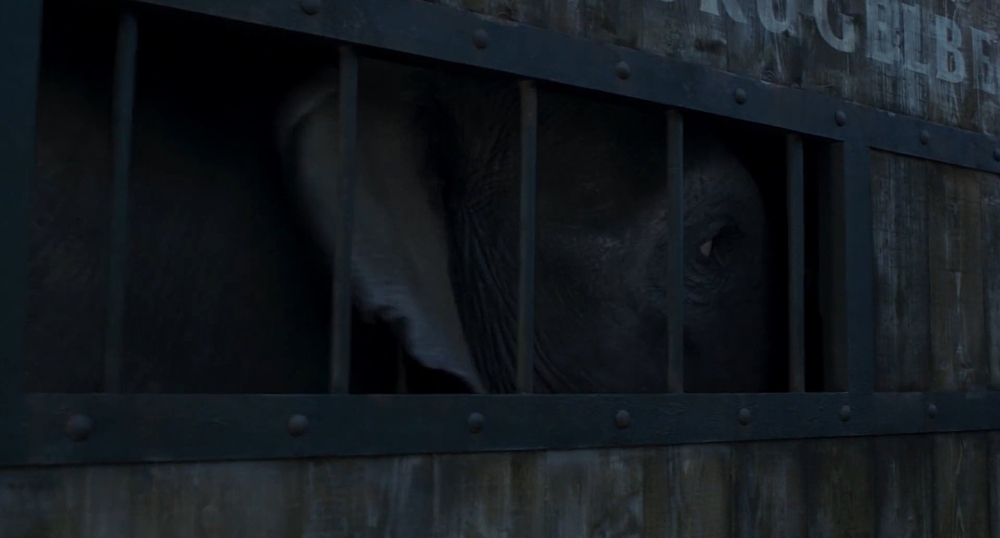
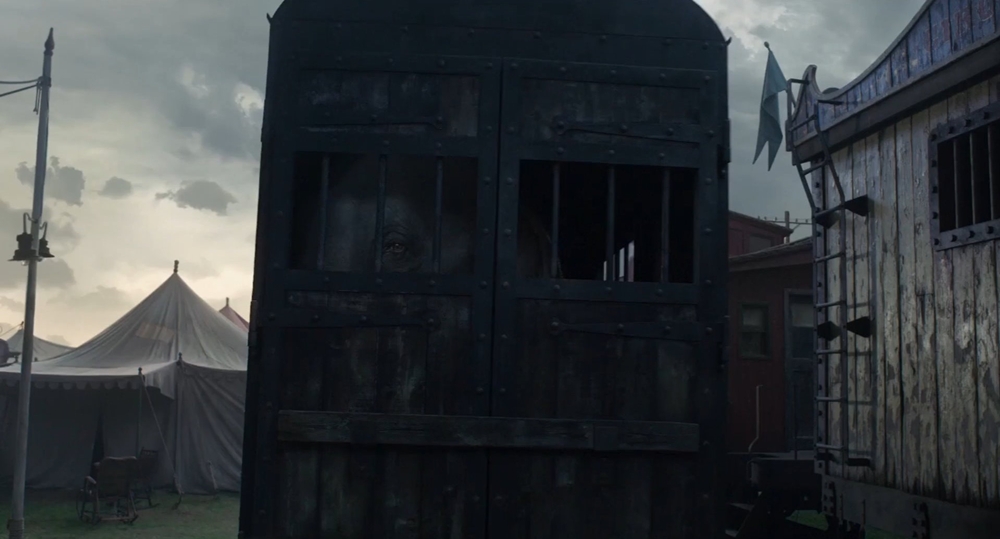
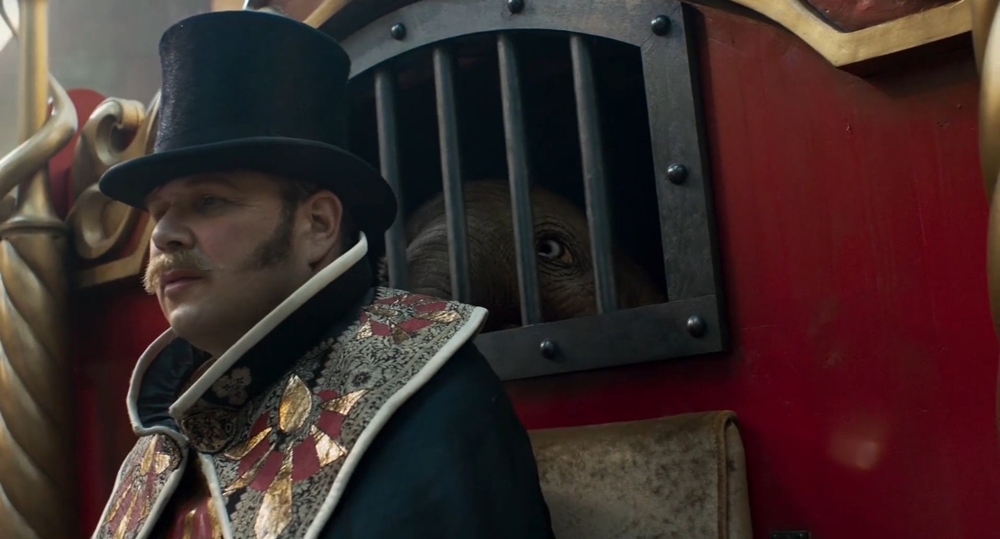
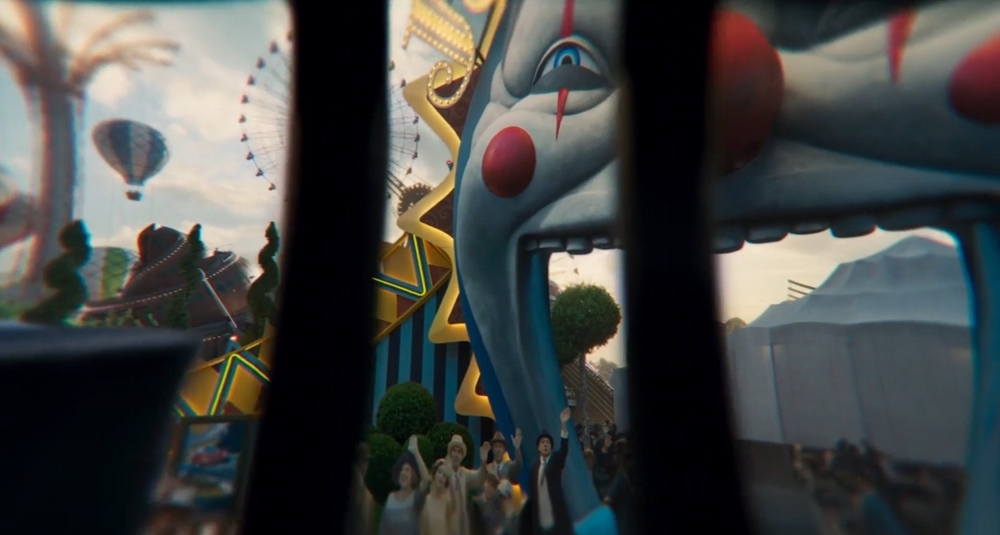
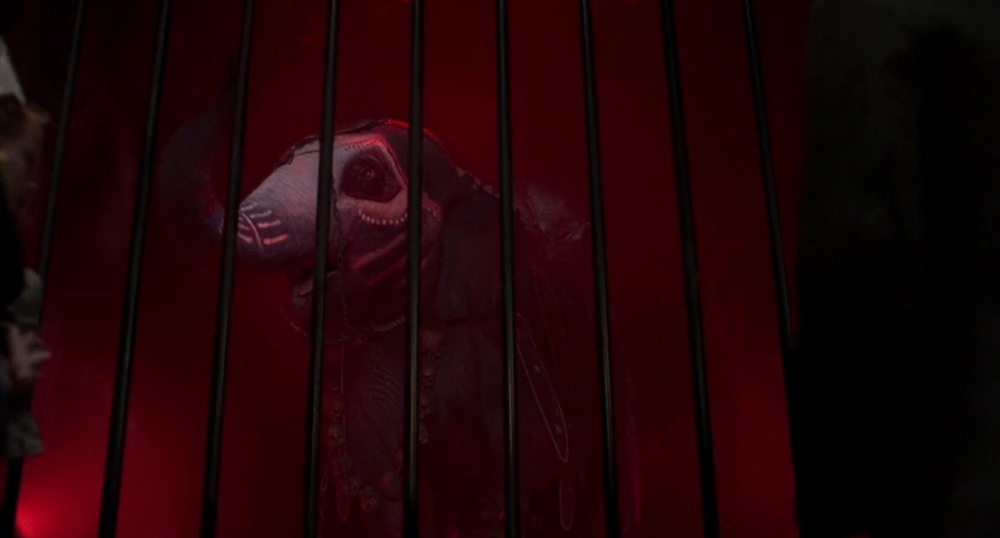
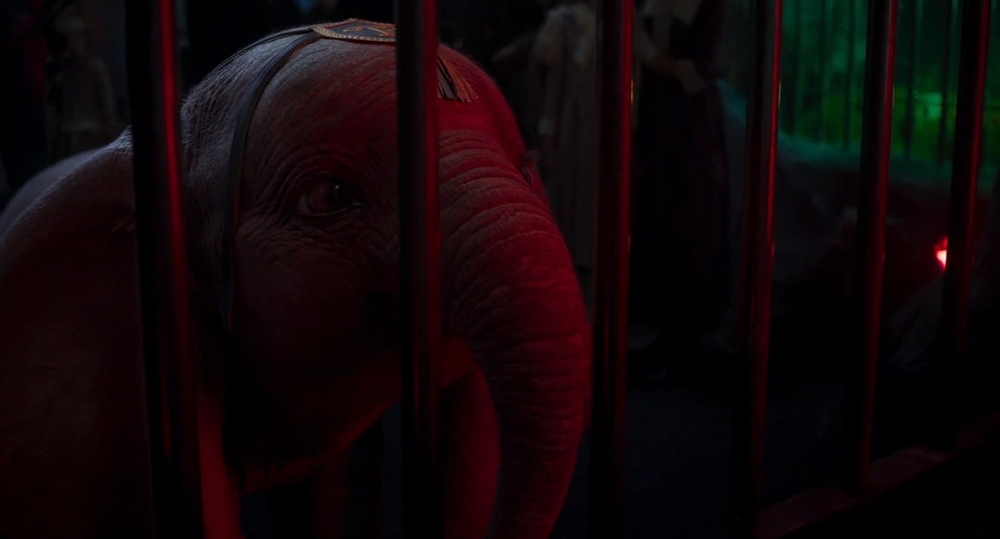
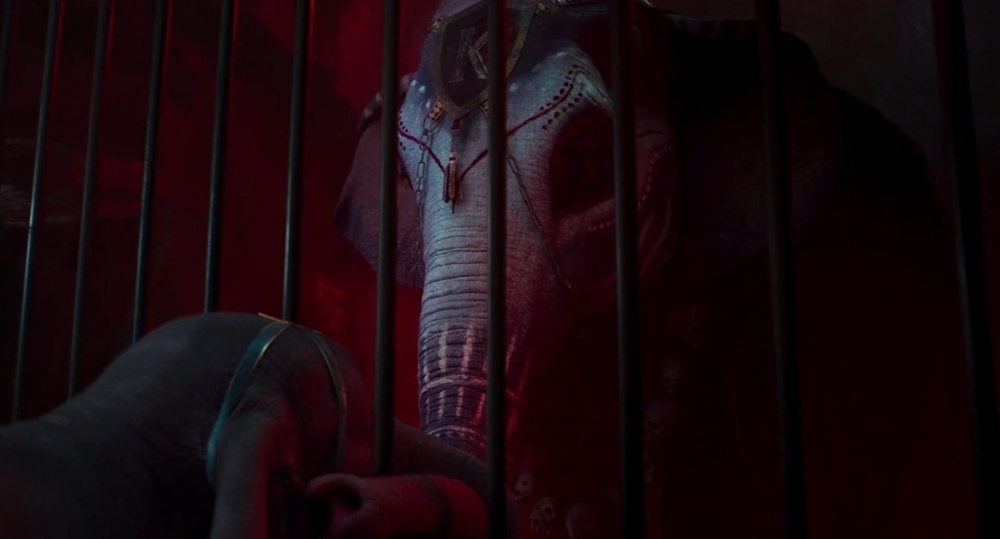
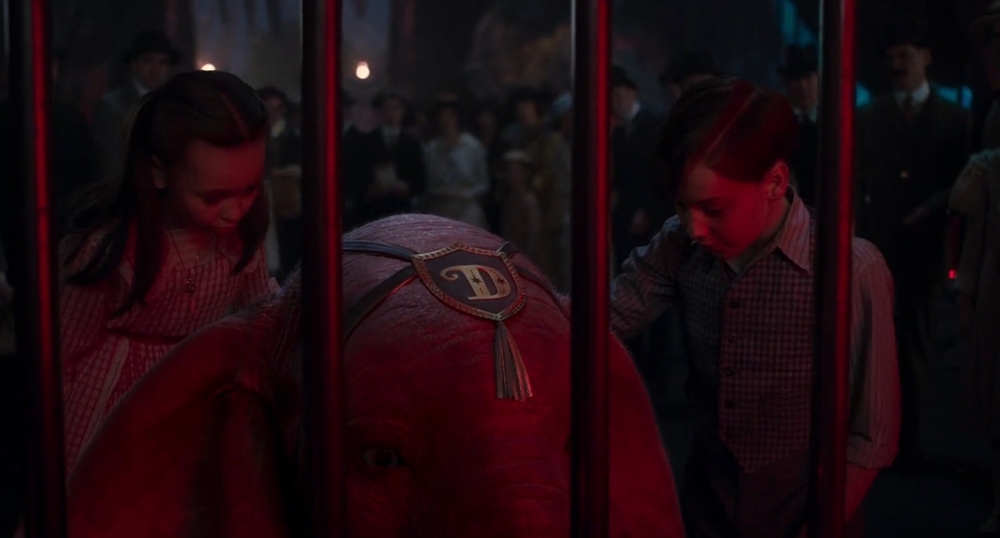
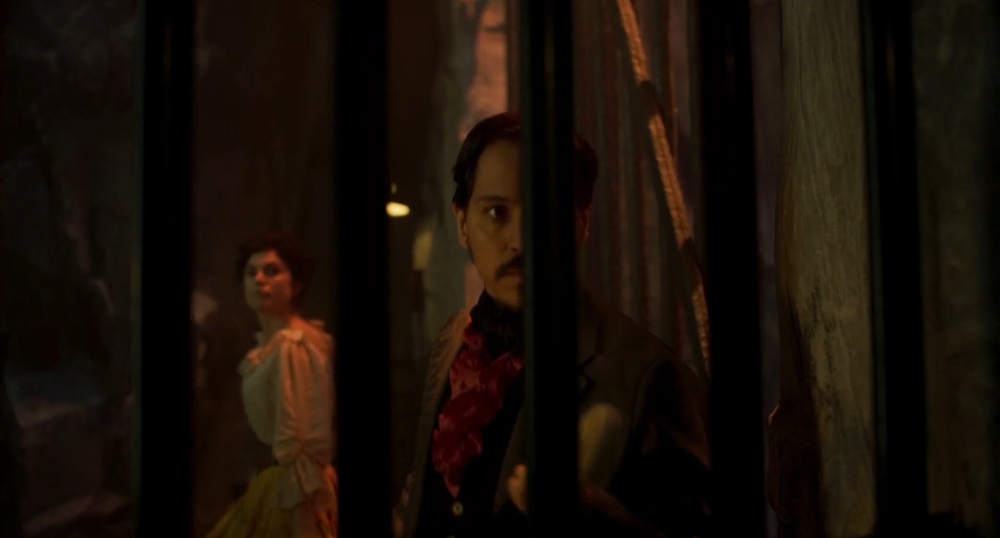
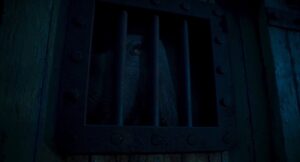
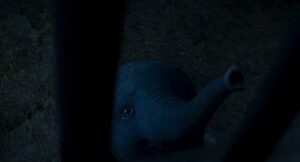
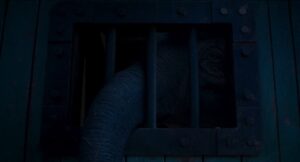
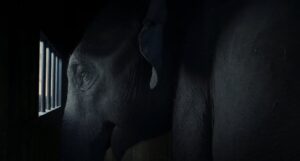
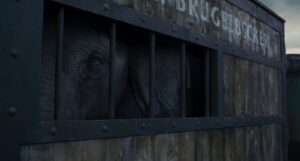
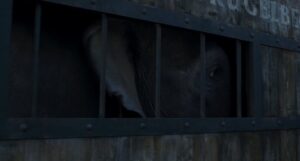
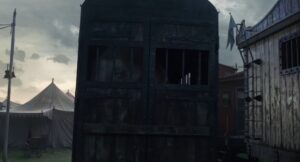
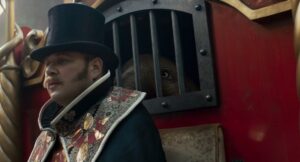
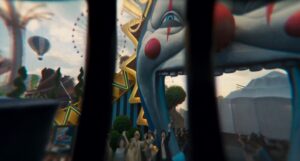
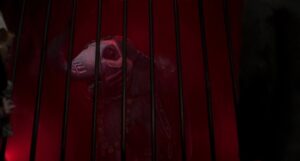
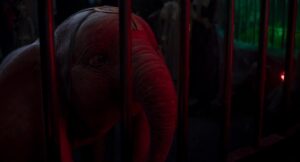
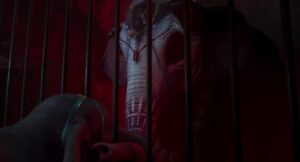
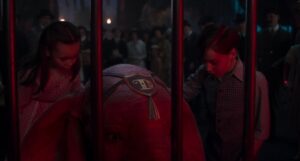
In the fantasy movie “Dumbo” (2019), eye-behind-bars symbolism is used repeatedly throughout the film. This fits the movie’s themes of captivity, exploitation, and imprisonment in fantasy, as the story centers around circus animals being kept and displayed for entertainment. Dumbo himself is treated as a spectacle because of his impossible ability to fly using his oversized ears, reinforcing the fantasy aspect of the character. Throughout much of the film, both Dumbo and his mother are separated and kept in captivity while humans profit from Dumbo’s unusual abilities.
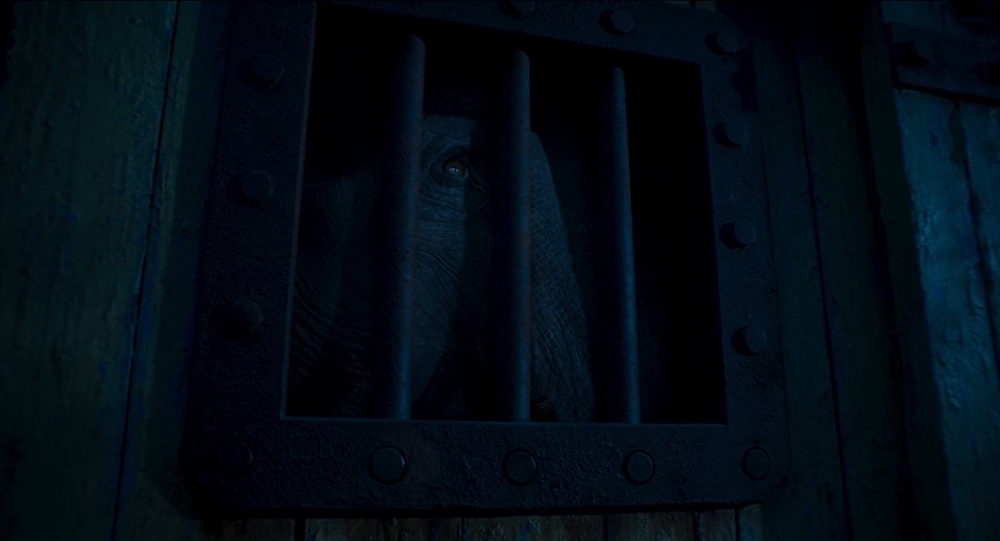
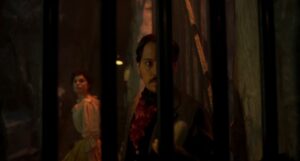
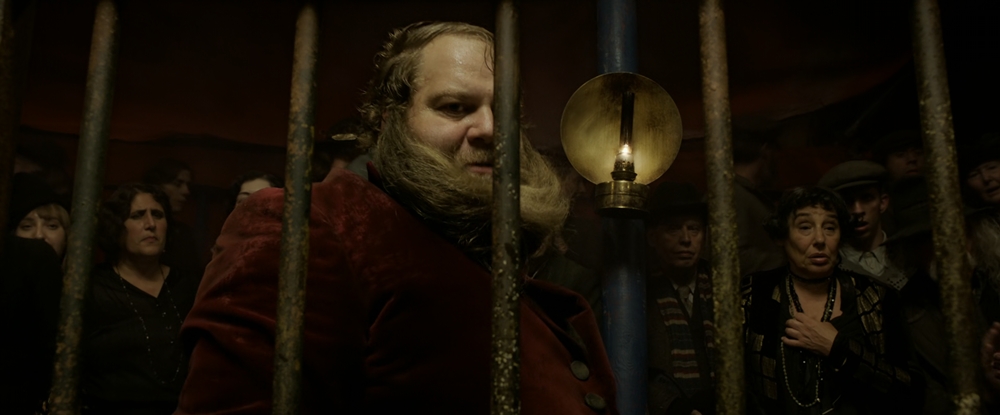
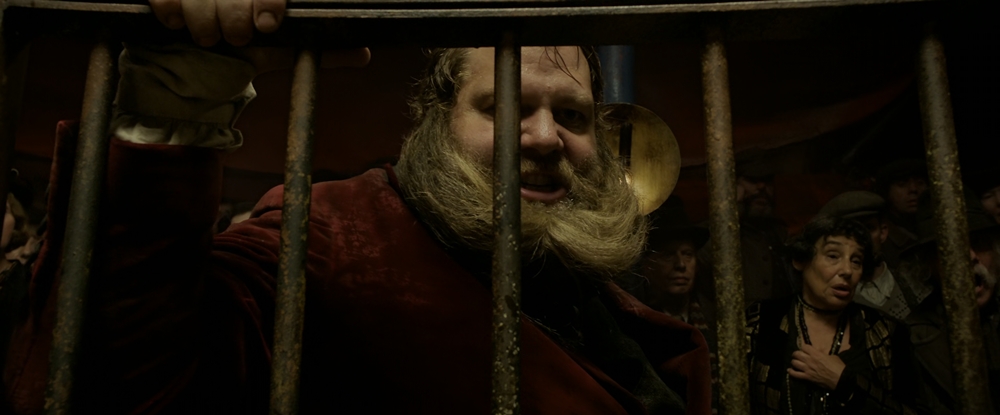
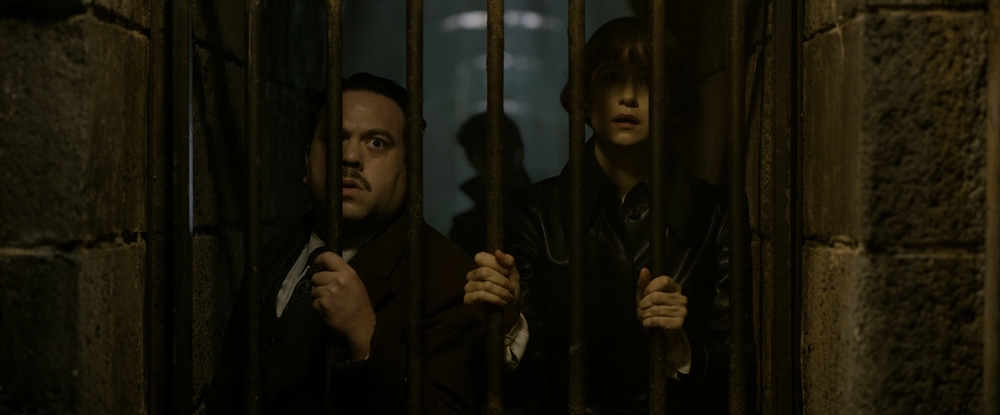
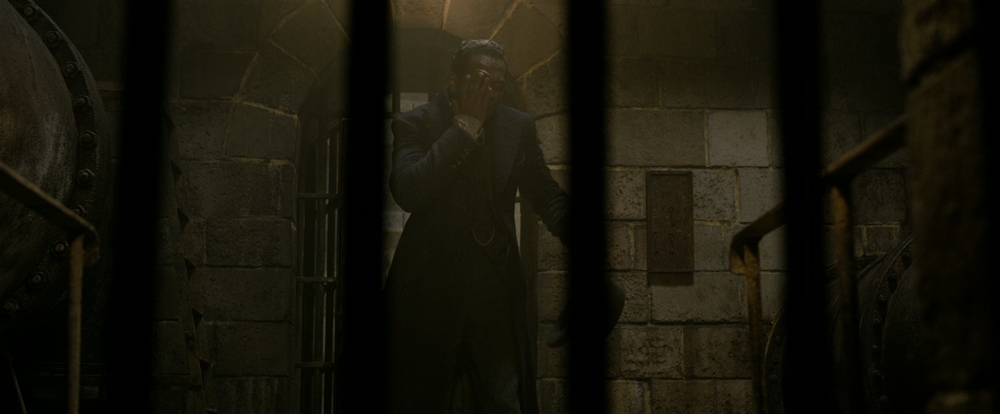
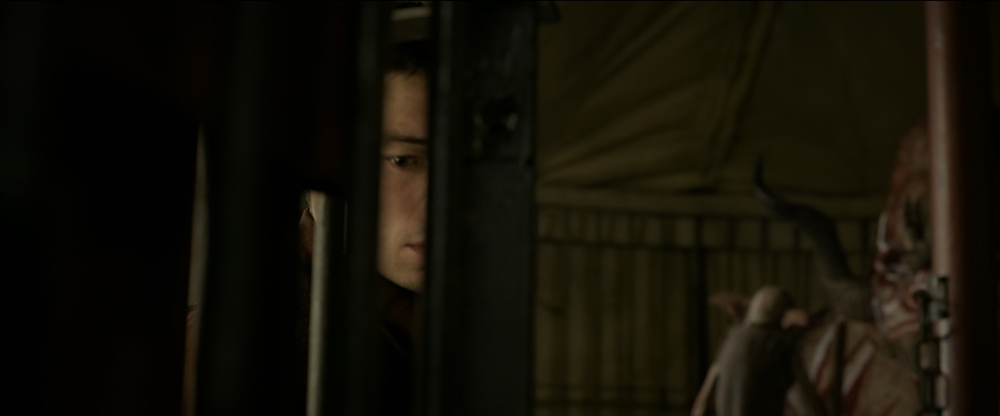
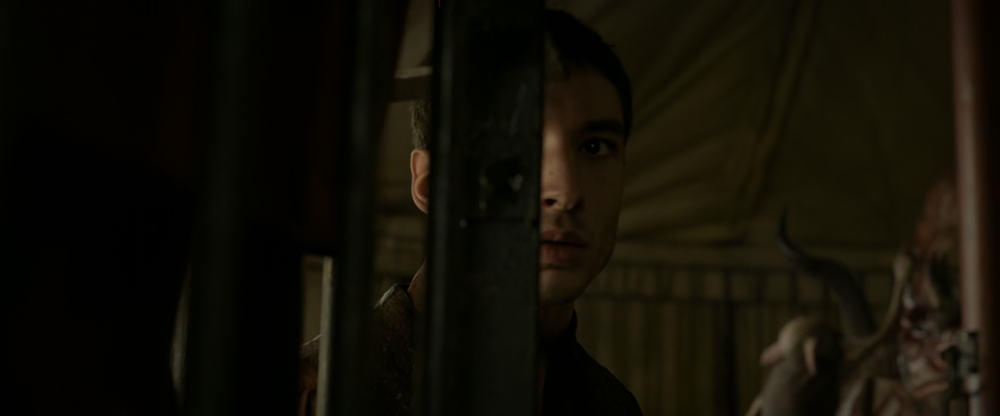
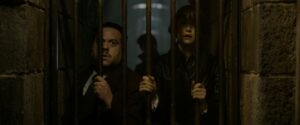
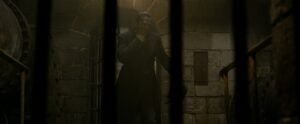
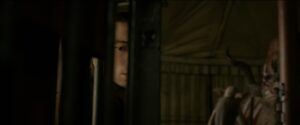
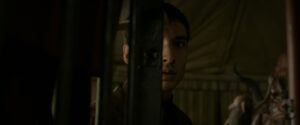
In the movie “Fantastic Beasts: The Crimes of Grindelwald” (2018), fantasy symbolism is heavily emphasized throughout the story. Whenever prison bars appear in a scene, the eye-behind-bars symbol frequently appears as well.
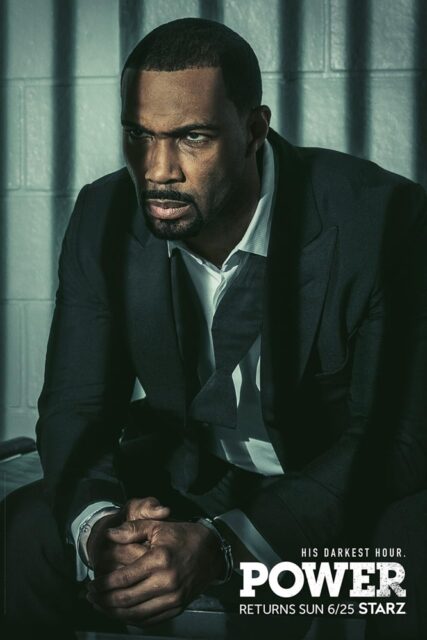
A series poster for the TV series “Power” (2014-2020) features the main character, James ‘Ghost’ St. Patrick, inside a jail cell with only his left eye visible, while his right eye is obscured by the shadow of the bars. The entire image is tinted green, further emphasizing the imprisoned-in-fantasy symbolism. Ghost is portrayed as imprisoned in fantasy because he secretly lives a double life as a major drug kingpin. He wants to leave the drug business behind and become a legitimate businessman, but his criminal past keeps pulling him back. As the series progresses, Ghost becomes more ambitious and attempts to enter politics while his family and criminal empire fall apart. The central theme is whether he can truly escape who he was, or whether his need for power ultimately destroys everything around him.
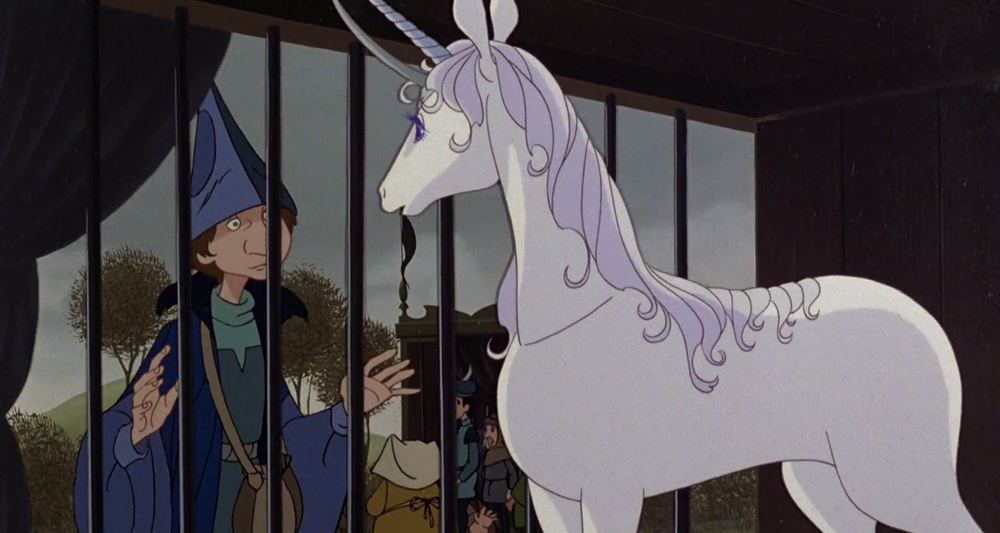
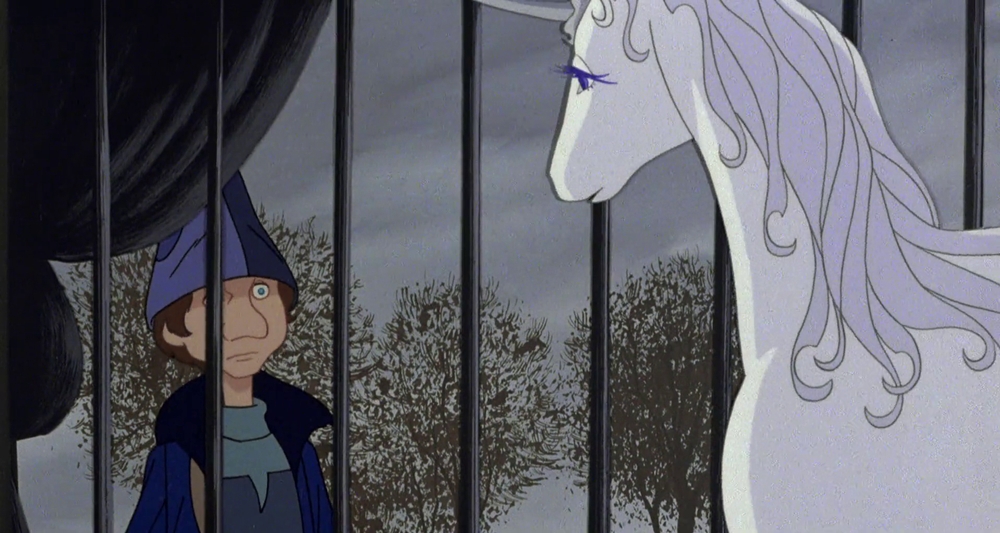
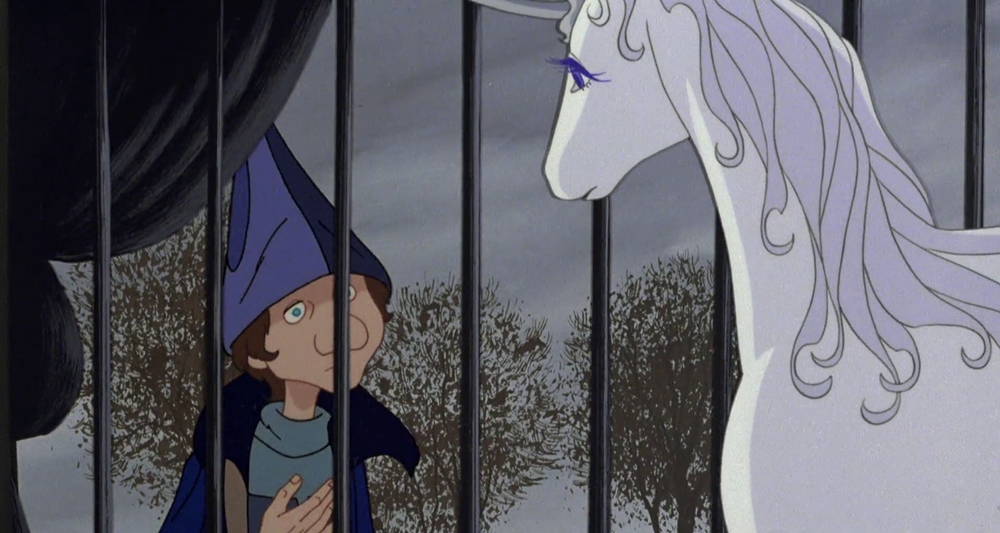
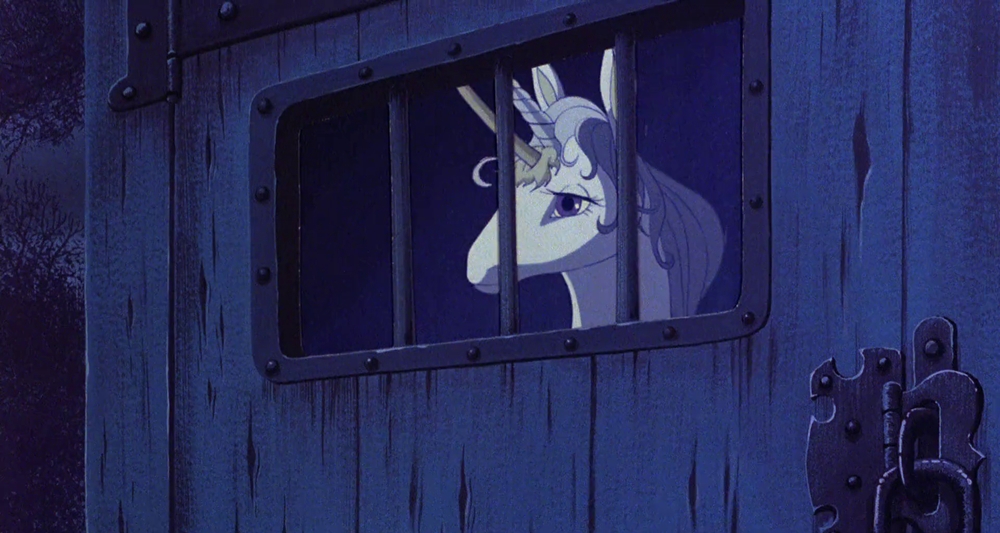
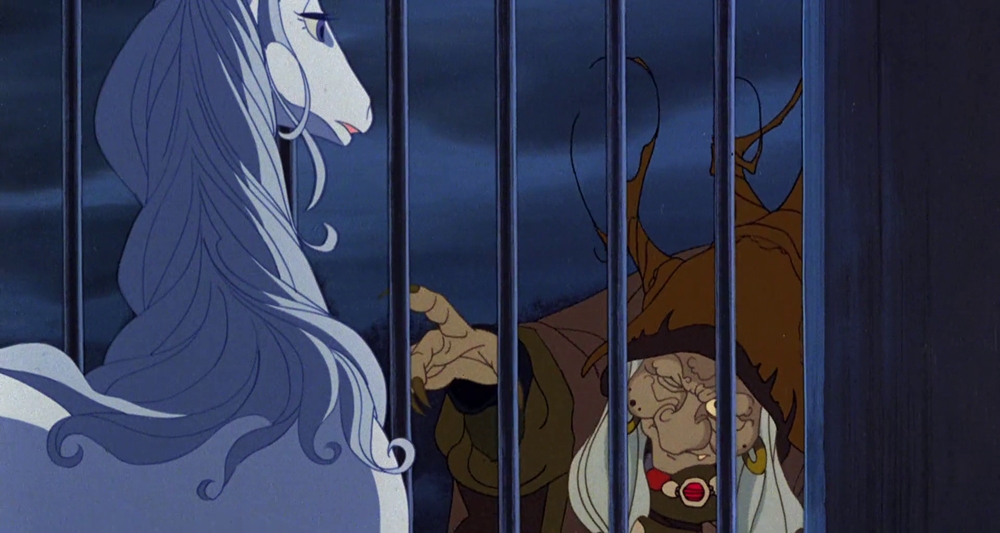
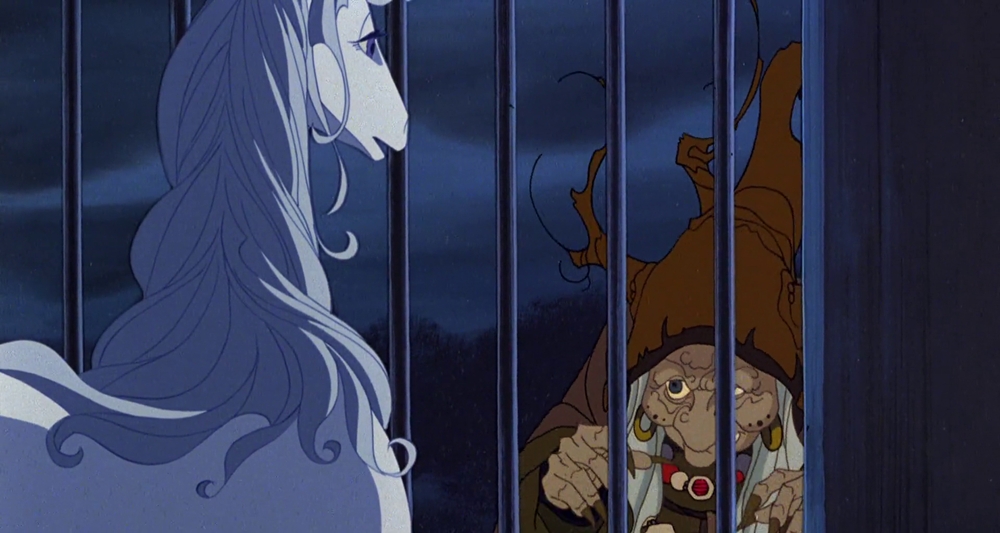
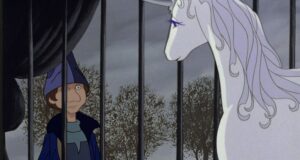
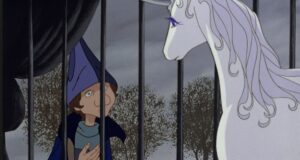
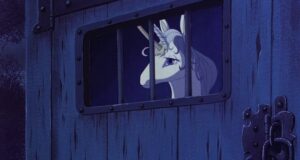
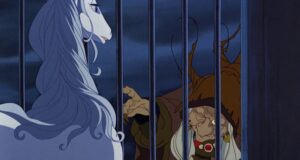
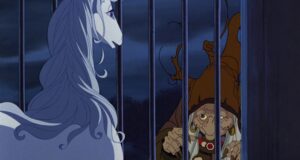
In the animated movie “The Last Unicorn” (1982), there is a long sequence containing so many examples of eye-behind-bars symbolism that it would be unnecessary to capture all of them individually.
A unicorn is found sleeping beside the road by Mommy Fortuna as she travels with her carnival wagons alongside the magician Schmendrick and her henchman Ruhk. Mommy Fortuna runs a fraudulent carnival where she presents ordinary animals as mythical creatures. She takes the unicorn captive and places a fake horn on it, as she does not recognize that it is a real unicorn, giving the carnival audience the illusion that they are seeing an actual mythical creature.
While the unicorn is awake inside its cage wagon during one of the shows, Schmendrick secretly speaks with the unicorn while no one else is listening. As he introduces himself as a magician, he winks, symbolizing to us that he is not truly a magician. Schmendrick tells the unicorn that he knows it is a real unicorn, and promises to return later to set it free.
Throughout this scene, the film repeatedly uses one–eye symbolism and eye-behind-bars imagery as Mommy Fortuna communicates with the unicorn inside the cage. Mommy Fortuna is repeatedly shown closing one of her eyes while talking, symbolizing deceit and reinforcing that she is a liar.
Later, when Schmendrick returns to free the unicorn with magic, his magic fails, symbolizing that he is not truly a magician. Instead, he must use a key to unlock the cage wagon and free the unicorn physically rather than magically.
The eye-behind-bars symbolism in this sequence is used to represent that the unicorn is a fictional figure. Toward the end of the film, the unicorn is transformed into a human woman, making it obvious that in reality, it was actually a woman who had been placed in the cage wagon and presented as a mythical creature.
Click to watch the video clips.
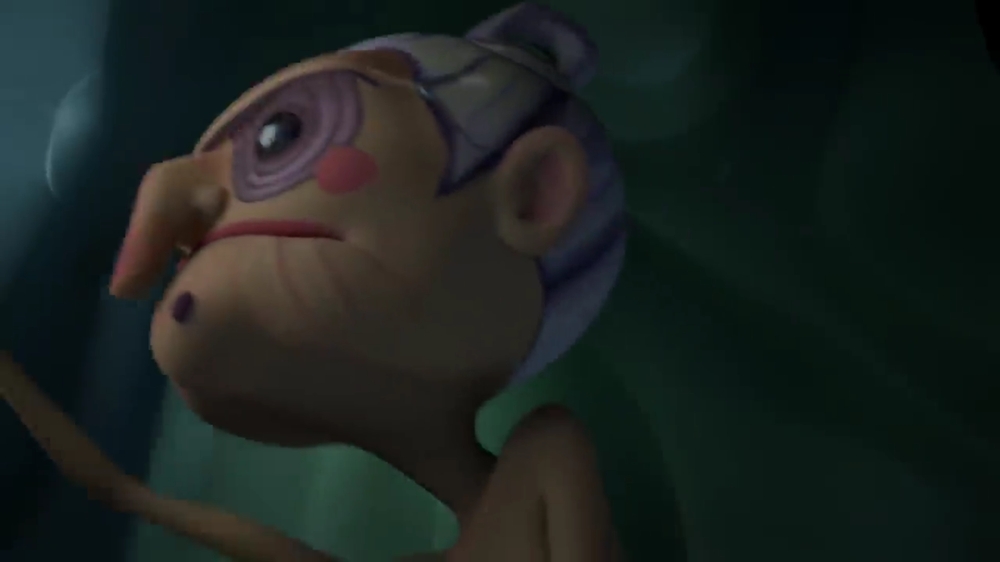
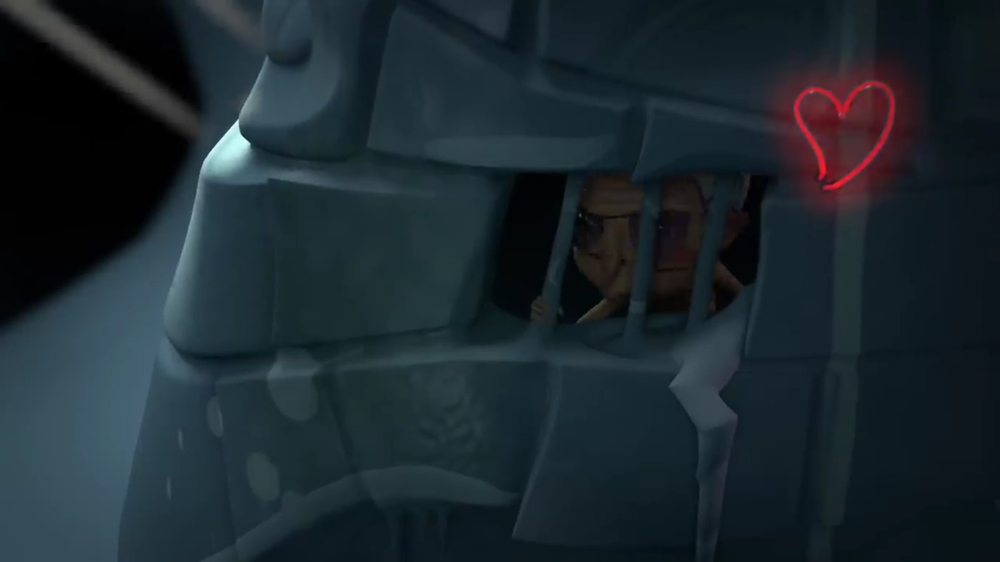
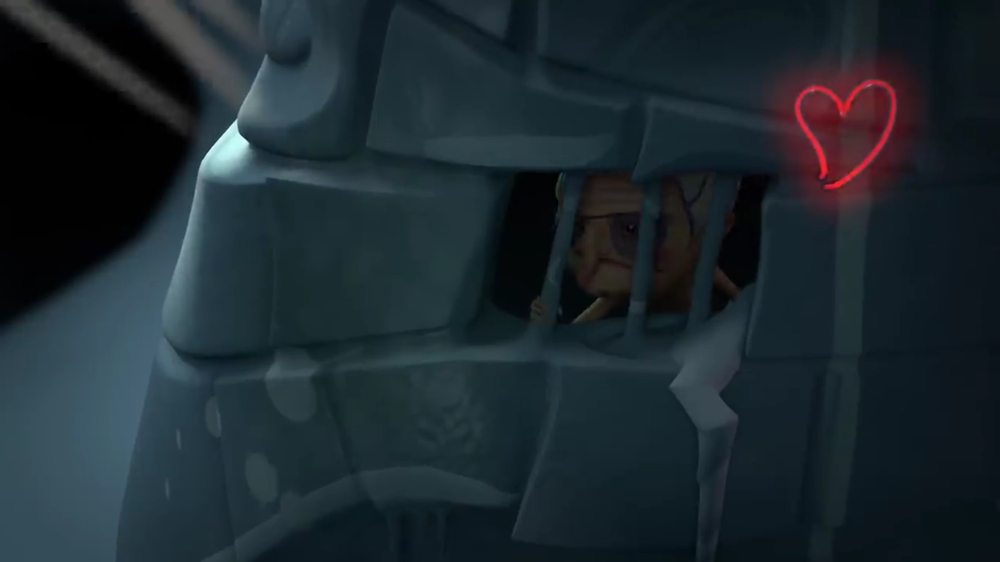
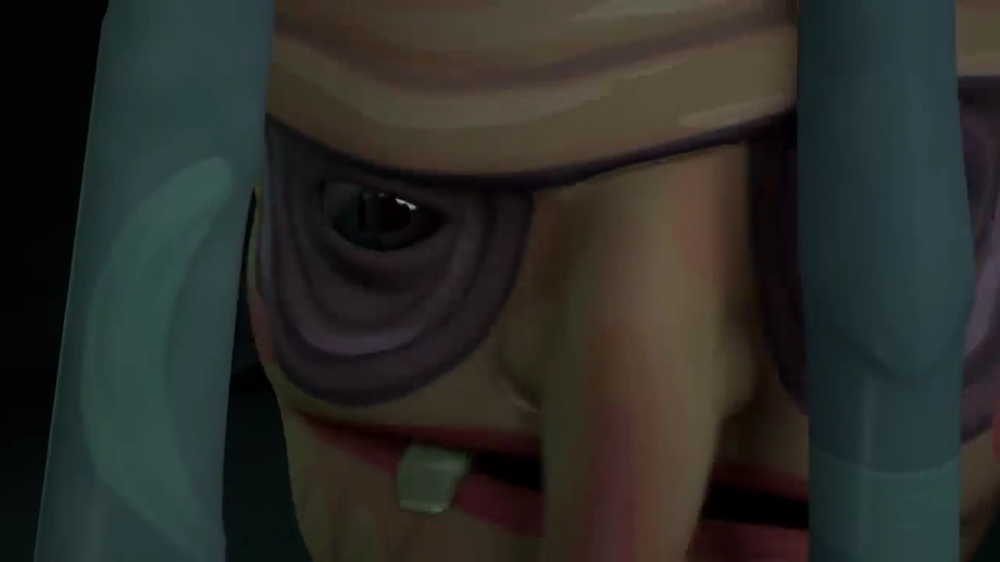
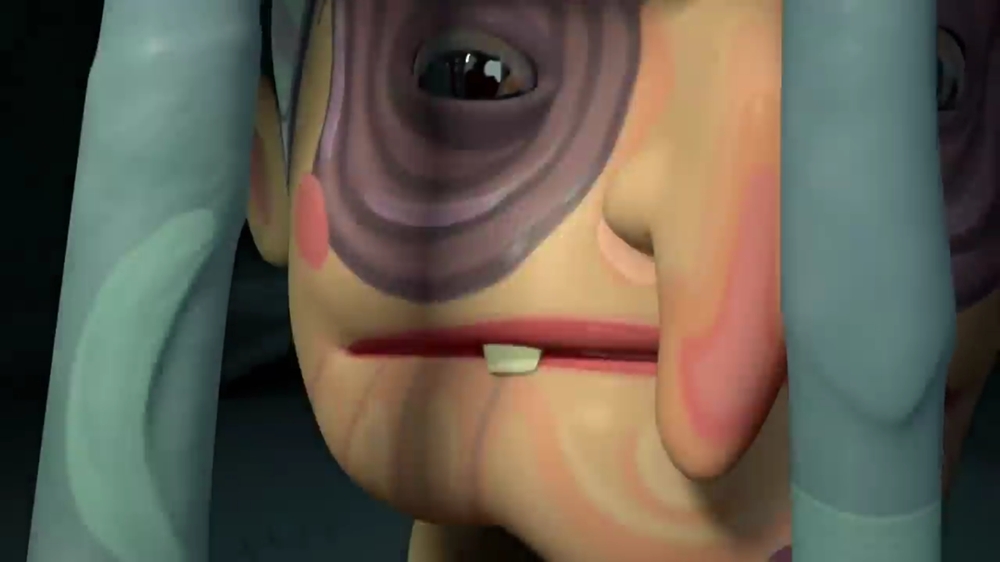
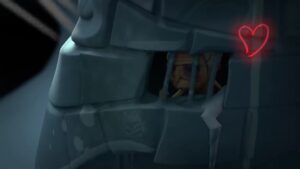
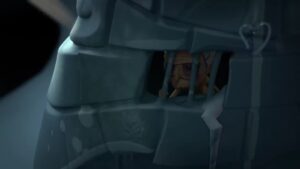
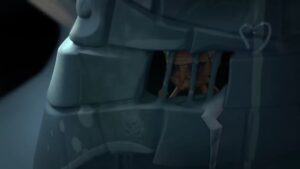
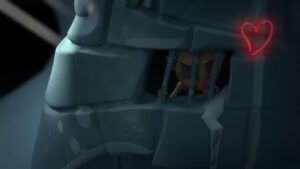
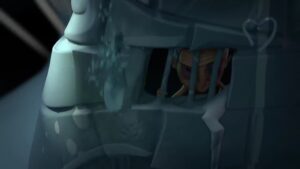
In the animated symbolic short film “I, Pet Goat II” (2012), there is a scene featuring the imprisoned old woman known as Madame Q. The entire short film carries strong Christian imagery and appears to present its symbolism largely from a Christian spiritual perspective, repeatedly contrasting darkness, illusion, suffering, and imprisonment with light, awakening, cleansing, and redemption.
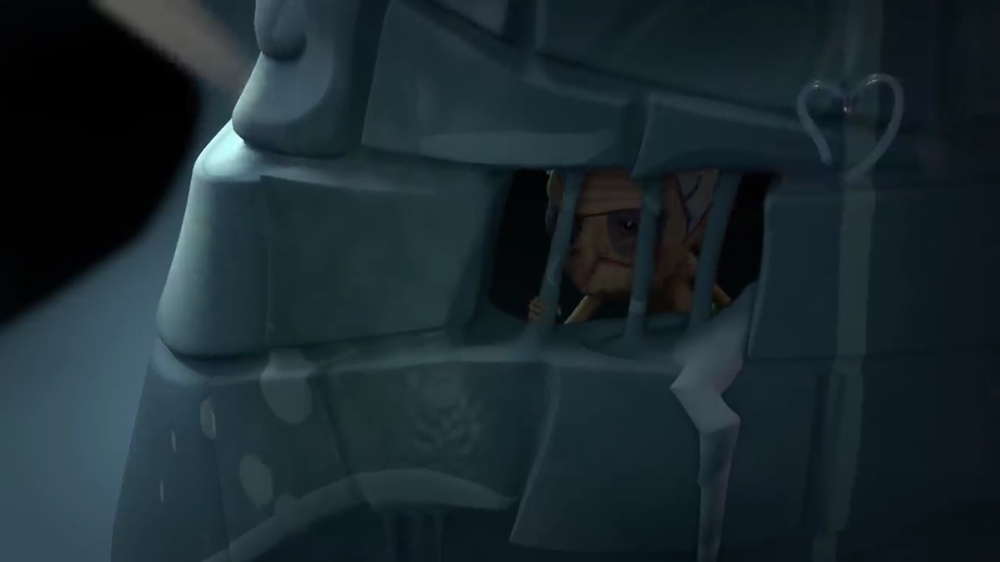
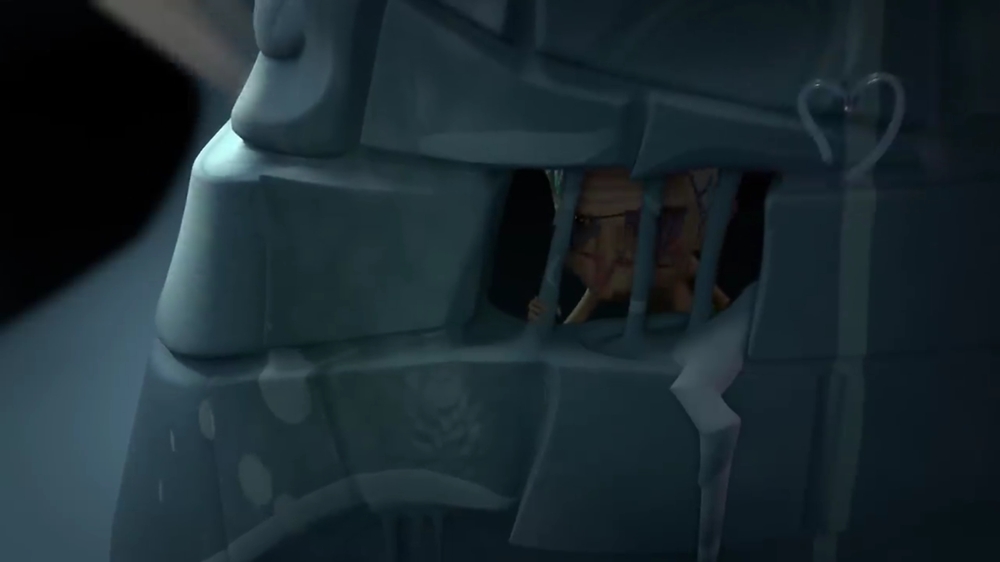
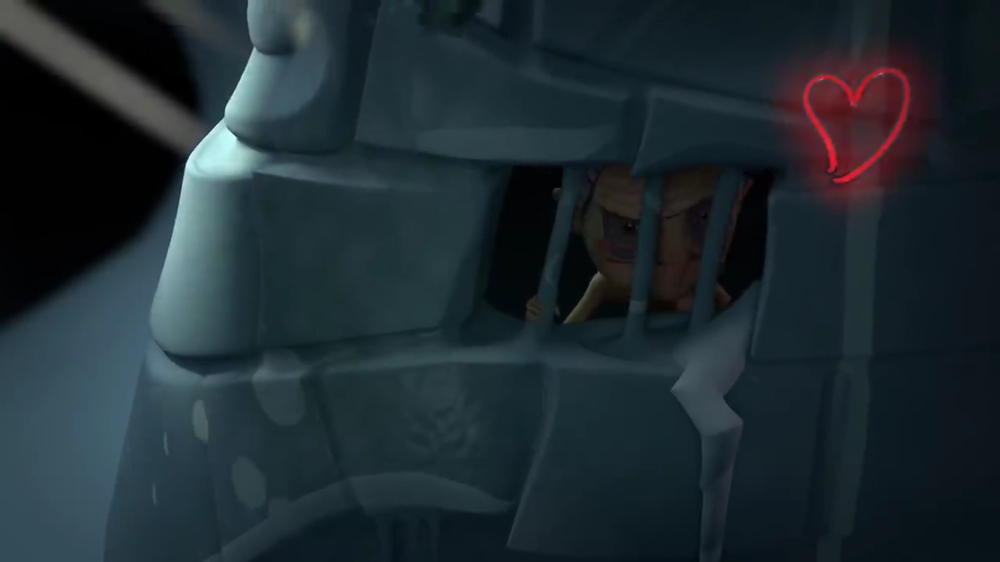
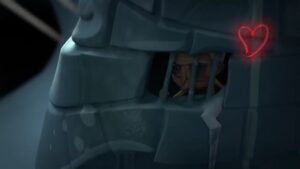
Madame Q is imprisoned inside what appears to be a frozen tower made of ice or snow. The entire environment surrounding her is cold, dark, and lifeless, reinforcing themes of emotional and spiritual isolation. At the top of the tower stands a Christian cross, immediately connecting the scene to Christian symbolism. Next to Madame Q’s barred window is a blinking red love heart-shaped light. Its exact meaning is ambiguous, but within the context of the scene it carries strong associations with sexuality, emotional suffering, temptation, corrupted love, or imprisoned desire. Because the light blinks red beside a prison tower, it also resembles the artificial lighting associated with red-light districts or forms of seductive illusion.
From the sky, a giant white hand enters the frame and opens its palm toward the tower. A bright beam of white light shines downward from the hand onto the top of the frozen structure. Considering the heavy Christian imagery used throughout the short film, the descending light strongly resembles divine or Christ-like symbolism, especially since Jesus is frequently associated with light, truth, cleansing, and salvation within Christianity. The tower itself resembles both a prison and a lighthouse, creating a contrast between false illumination and true spiritual light from a Christian symbolic perspective.
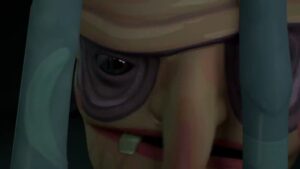
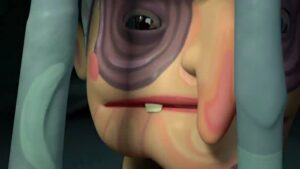
As the light reaches the tower, Madame Q walks toward the barred window to look outside. Here the eye-behind-bars symbolism becomes especially clear. As she moves her head from left to right while trying to understand what is happening outside, the bars alternately obscure one of her eyes, causing her to shift between looking through her left eye and her right eye. This creates symbolism of confusion, uncertainty, and struggling to comprehend the Christian “truth” being revealed to her.
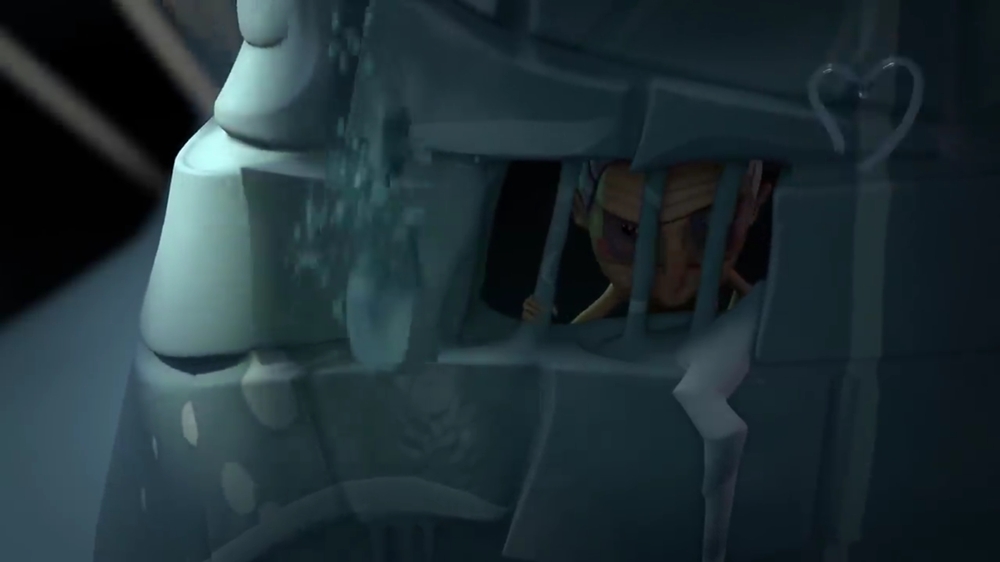
The scene repeatedly emphasizes this visual framing. When Madame Q notices snow or ice melting and falling down beside the barred window, the shot cuts to a close-up where only her right eye is visible between the bars. The collapsing ice beside her window symbolizes the prison itself beginning to break apart under the descending white light.
The eye-behind-bars symbolism in this scene represents imprisonment in the fantasy or illusion of shame. Madame Q is not simply physically imprisoned behind bars. The scene suggests she is psychologically and spiritually imprisoned as well. The entire frozen tower functions as a symbolic prison built around sexuality, guilt, repression, emotional suffering, or corrupted desire. This interpretation is reinforced by the creators’ own statement regarding the character: “Madame Q’s point of suffering is sex.”
As the beam of light reaches Madame Q directly, she recoils from it and crawls backward in fear and discomfort until she hits a wall and can no longer move away. Behind her on the wall are tally marks commonly associated with prisoners counting the passing days of imprisonment, reinforcing the prison symbolism even further. During this sequence, her legs are spread and her underwear is visibly stained with blood. The blood likely symbolizes suffering connected to sexuality, shame, impurity, trauma, or feminine bodily suffering. Since the short film intentionally uses layered symbolic imagery, the blood may simultaneously evoke menstruation, sexual guilt, abuse, emotional pain, or broader religious concepts of impurity connected to sex and the body.
As the white light shines onto her body, the blood fades away. This strongly resembles Christian imagery of cleansing, purification, forgiveness, or spiritual washing away of sin and suffering. During this moment, Madame Q raises her right arm upward while looking toward the light with only her left eye visible to the viewer, continuing the one–eye symbolism throughout the sequence. Her pose resembles someone overwhelmed, surrendering, drowning, or reaching toward salvation.
The scene uses eye-behind-bars symbolism repeatedly to emphasize that Madame Q is trapped not only within a physical prison, but within a deeper prison of fantasy, shame, suffering, and illusion. The bars obscure one eye while the divine light melts the frozen prison around her, visually portraying the conflict between spiritual imprisonment and liberation.
Click to watch the video clips.
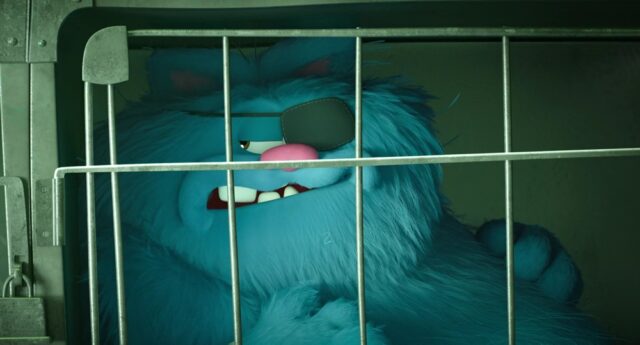
In “The Garfield Movie” (2024) there’s a scene where Garfield has been captured and is being transported to the pound. Shortly before this, Garfield is pushed aside by his father, Vic, who then runs out and closes the door, making it impossible for Garfield to escape and resulting in his capture. Vic’s intention, however, is to steal a milk truck that he had agreed to deliver to another cat named Jinx, as payback for his role in getting her sent to the pound for five years.
During the ride to the pound, Garfield believes that his father has betrayed him once again. In the cage next to him is a cat wearing an eyepatch, creating a visual “eye-behind-bars” symbol. The cat confirms what Garfield already suspects: that his father has abandoned him again.
The cats in the surrounding cages are all members of a crew Vic used to be part of. They claim that Vic would always leave in the middle of a job to go watch his son eat dinner—something Garfield finds impossible to believe.
The eye-behind-bars symbolism reflects Garfield’s belief that he has been abandoned again, even though this is not true. Later, we learn that the story about Vic sitting in a tree outside Garfield’s house, watching him eat dinner, was in fact true.
The entire scene is also tinted in green, further emphasizing the theme of imprisonment.
Click to watch the video clip.
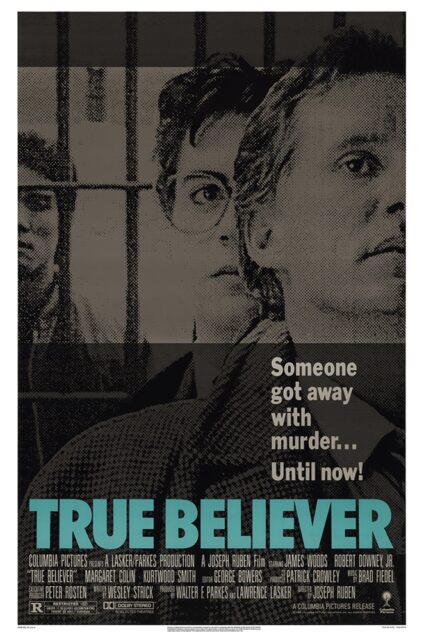
The movie poster for “True Believer” (1989) features three characters, each shown with only one eye visible. The character behind bars has his left eye visible, while the two characters in front of the bars have their right eye visible.
Eddie Dodd is a burned-out lawyer who once believed in the justice system but has since lost his faith. His young, idealistic assistant, Roger Baron, pushes him to take on the case of Shu Kai Kim, a Korean immigrant serving life in prison for a gang murder he insists he did not commit. As Dodd investigates, he uncovers increasing evidence that undermines the original conviction, and he ultimately succeeds in getting Kim’s case overturned in court, restoring his own belief in the legal system.
However, it is important to note that the film does not present definitive proof that Shu Kai Kim is actually innocent. Instead, it shows that the evidence used to convict him does not hold up under scrutiny. This leaves open the question of whether Eddie Dodd freed an innocent man or a guilty one.
From this perspective, the one–eye symbolism, especially the eye-behind-bars imagery on the poster, aligns with the title “True Believer.” The story centers on belief rather than absolute certainty. Belief has no place in a legal system that is supposed to be based on proof. The film promotes belief, and the one–eye symbolism on the poster clearly reflects this. It presents a one-sided perspective that effectively makes the project a piece of propaganda.
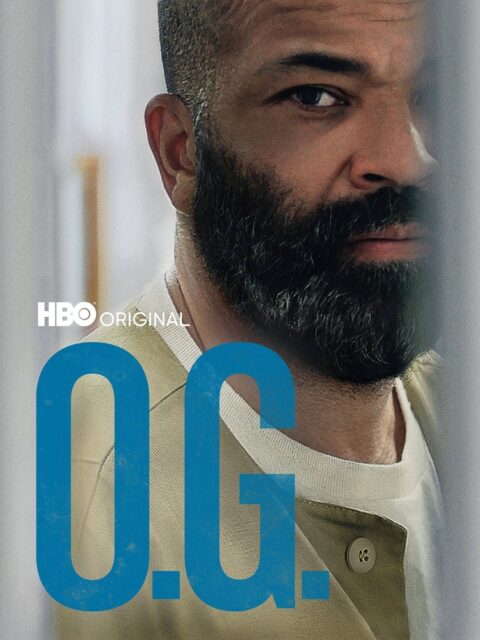
The movie poster for “O.G.” (2018) features the character Louis Morton with only his right eye visible behind bars.
Louis has become deeply institutionalized after spending most of his adult life in prison. With only a short time left before parole, he tries to avoid trouble and quietly prepare for life outside. At the same time, his fear of the outside world continues to grow. He feels disconnected from modern society and uncertain about who he is without prison.
The eye-behind-bars symbolism on the movie poster represents psychological imprisonment. Louis has become so institutionalized that he feels more comfortable inside prison than with the idea of leaving it.
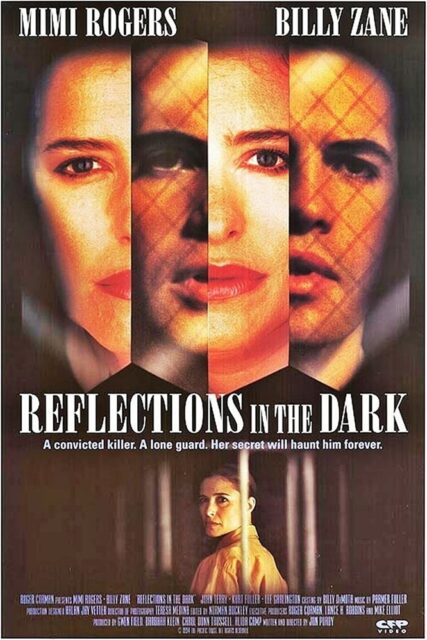
The movie poster for “Reflections on a Crime” (1994), also released under the title “Reflections in the Dark,” features a man and a woman whose faces are divided into separate sections, creating split-personality symbolism as well as eye symbolism. Colin Reeves is portrayed behind a rhombus-patterned grid that creates eye-behind-bars symbolism, whereas Regina is not visually framed behind the grid despite being the actual prisoner awaiting execution the following day.
During Regina’s final hours, she begins speaking with prison guard Colin Reeves, who gradually becomes emotionally invested in her case and increasingly uncertain about whether she is truly guilty. Much of the film is told through flashbacks as Regina recounts different and often conflicting versions of her marriage and the events surrounding her husband’s death. The film intentionally keeps the truth ambiguous. At times Regina appears manipulative and unreliable, while in other moments she seems like a victim trapped in an abusive and controlling relationship.
The tagline on the poster reads: “A convicted killer. A lone guard. Her secret will haunt him forever.” The “secret” being referred to is ultimately something Colin can never fully know: whether Regina is truly guilty or not. By the end of the film, Colin’s perspective clearly shifts toward believing that her case is far too morally and emotionally complicated to be reduced to a simple murder conviction. The film never provides definitive proof regarding whether Regina is a cold-blooded killer, an abused victim acting out of desperation, or something in between.
The split-face imagery and the eye-behind-bars symbolism suggest that Colin becomes psychologically imprisoned by uncertainty. Although Regina is the literal prisoner, Colin is the one left trapped by doubt and by the realization that he may never know the full truth. The grid over his eye symbolizes obstructed perception and incomplete understanding, reflecting how he is left with only part of the picture.
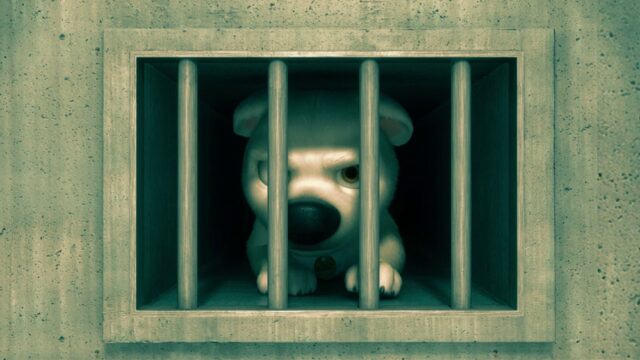
In the animated movie “Bolt” (2008), the film opens with an intense action sequence in which the dog Bolt appears to be a genetically enhanced super-agent on a dangerous mission. During one moment, Bolt crawls through a ventilation shaft, and as he reaches the metal bars blocking the exit, one of his eyes becomes partially obscured behind the bars. Bolt then effortlessly bends the bars apart and escapes through the opening. During the sequence, it is revealed that the entire scene is actually part of a television production, and that Bolt is only an actor who genuinely believes his fictional superpowers are real.
The eye-behind-bars symbolism is used here to show that Bolt is imprisoned in fantasy. He genuinely believes he has impossible superhero powers and does not understand that the world around him is fictional and staged for a television production. The symbolism reflects how Bolt sees himself as a real super-dog, when in reality he is simply an ordinary dog who does not yet understand the world around him.
Click to watch the video clip.
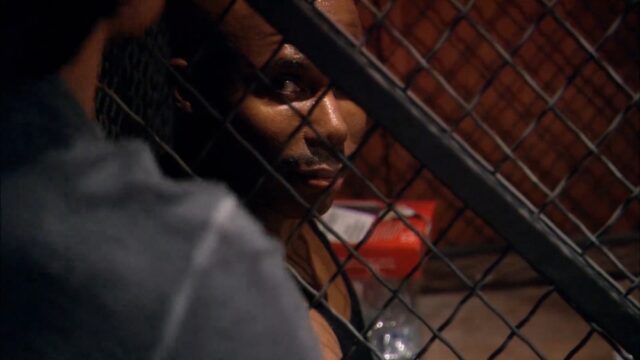
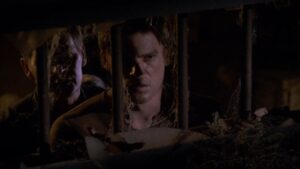
In the TV series “Dexter,” season 2 episode 10, the serial killer Dexter — who follows a strict code that determines who he is allowed to kill — has captured Sergeant James Doakes and locked him inside a cage. Because Doakes does not fit the code of being a murderer, Dexter struggles throughout the episode to justify murdering him.
During a scene where Dexter and Doakes are talking, Doakes is shown with only his right eye visible behind the rhombus-grid cage. In their previous scene together, Dexter had drugged Doakes and was preparing to kill him, but hesitated after Doakes vaguely suggested that Dexter’s adoptive father, Harry, was not who Dexter believed him to be.
In this scene, the eye-behind-bars symbolism is used to represent Doakes’ imprisonment in fantasy, as he argues that the reason Dexter has not killed him is because Doakes does not fit Dexter’s code. However, the audience already knows this is false. Dexter had already decided to kill Doakes before hearing that information, and murdering Doakes would clearly satisfy the code’s first rule: “Don’t get caught.”
Click to watch the video clip.
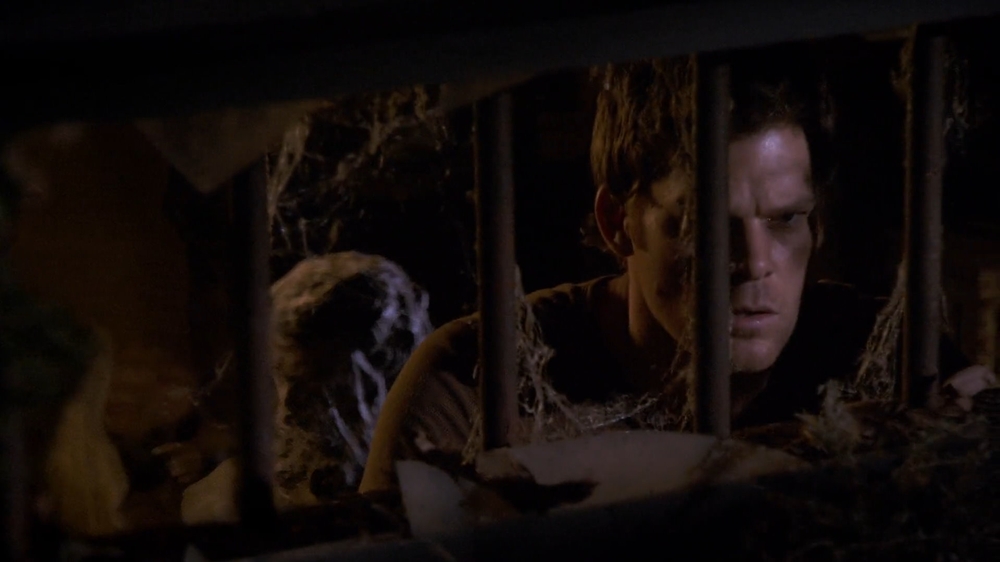
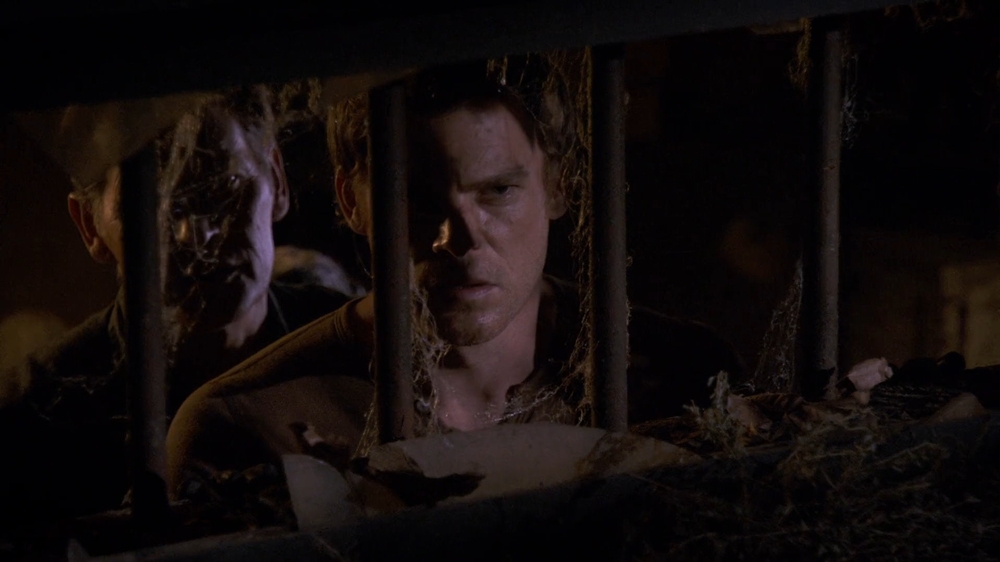
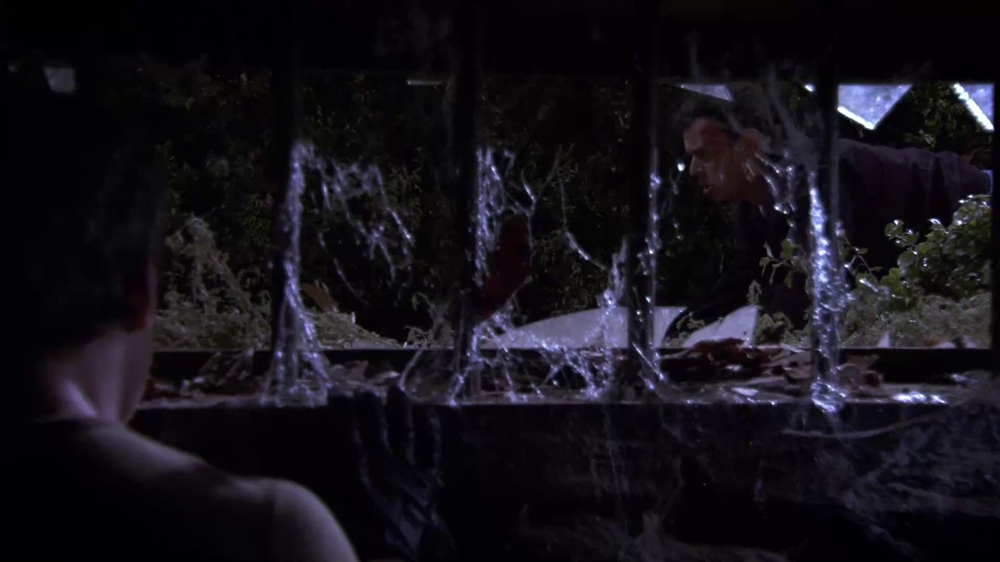
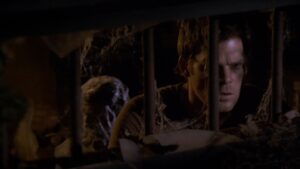
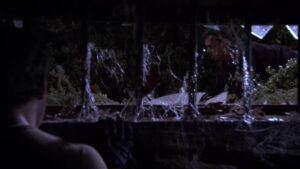
In the TV series “Dexter,” season 6 episode 10, Dexter becomes trapped in a church basement by the serial killer known as the Doomsday Killer, Travis Marshall. Through a barred basement window, Dexter sees Travis collapse outside. Even though Travis is physically outside the cellar, he is still framed sideways behind the bars, with only his left eye visible between them. Dexter, meanwhile, is shown with his right eye partially obscured by a bar as he realizes that Travis is speaking to someone who does not actually exist, but is instead a hallucination. At the same time, Dexter himself is also speaking to someone who is not there: his dead foster father, Harry Morgan.
In both cases, the eye-behind-bars symbolism is used to represent imprisonment within fantasy. Travis’ visible left eye symbolizes his deception and false reality, while Dexter’s obscured eye reflects his growing realization that Travis is lying, even as Dexter remains trapped within his own psychological fantasy through his conversations with Harry.
Click to watch the video clip.
In the animated movie “Monsters University” (2013), the cyclops Mike Wazowski brings his teammates to break into the Monsters, Inc. lot. As they stand outside the fence, the shadow of the rhombus grid overlays the characters, with particular emphasis on Mike. The eye-behind-bars symbolism representing imprisonment in fantasy is especially clear with Mike, as he himself is a fictional cyclops figure. However, in this case the symbolism is used somewhat differently than usual, as the entire group is imprisoned in the fantasy that they are not good enough to achieve their goal of becoming scarers. Mike is shown holding up a bolt cutter, symbolizing that he is about to break them free from that imprisonment in fantasy.
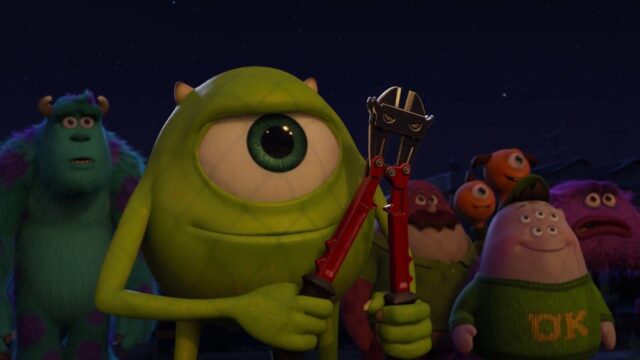
After breaking into the lot and looking through the windows at the professional scarers inside Monsters, Inc., Mike teaches the group that the successful scarers all look different from one another. Some are large, some are small, some have claws, horns, or multiple eyes. Mike argues that being scary is not about fitting a single ideal appearance, but about using whatever physical traits you have to your advantage.
To some extent, this is true. However, later in the film, when Mike attempts to scare a group of children himself, none of them find him frightening. This reveals that appearance and natural presence do matter, reinforcing the symbolism used in the eye-behind-bars shot of Mike being imprisoned in fantasy. At the same time, the film later shows that Mike is still capable of scaring the children by carefully building a frightening atmosphere and directing his teammate James P. Sullivan to deliver the final scare. This aligns with the symbolism of the bolt cutter in the earlier scene, as Mike ultimately finds a way to break free from the limitations he believed trapped him.
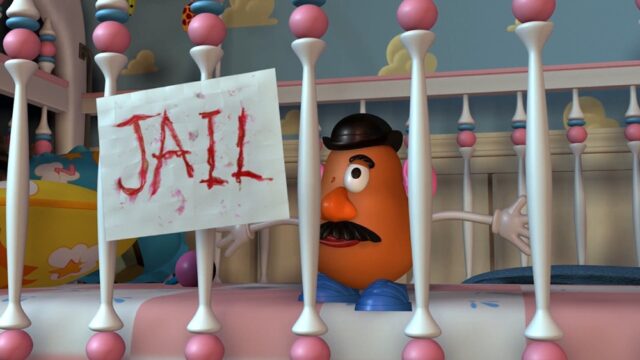
In the opening scene of “Toy Story” (1995), the human boy Andy is playing with all of his toys. He has built makeshift scenery out of boxes he has drawn on to represent different buildings and environments.
One of the toys is Mr. Potato Head, a toy whose facial features and body parts can be removed and rearranged. During the scene, Andy uses Mr. Potato Head as his villainous alter ego “One-Eyed Bart,” a Western-themed outlaw, with the toy therefore missing his right eye.
While narrating the story, Andy says, “You’re going to jail, Bart,” as he places One-Eyed Bart inside his baby sister’s crib. We then see One-Eyed Bart framed between the vertical bars of the crib, creating the eye-behind-bars symbol. Here, the symbolism fits naturally within the context of the scene, since the entire scenario is openly presented as fantasy play, with the jail itself being fictional.
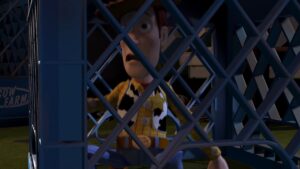
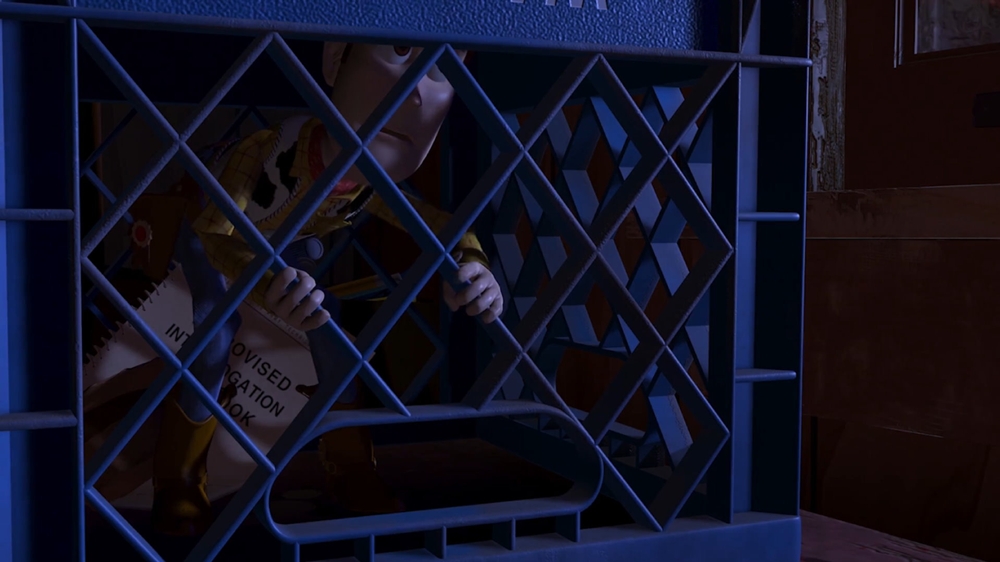
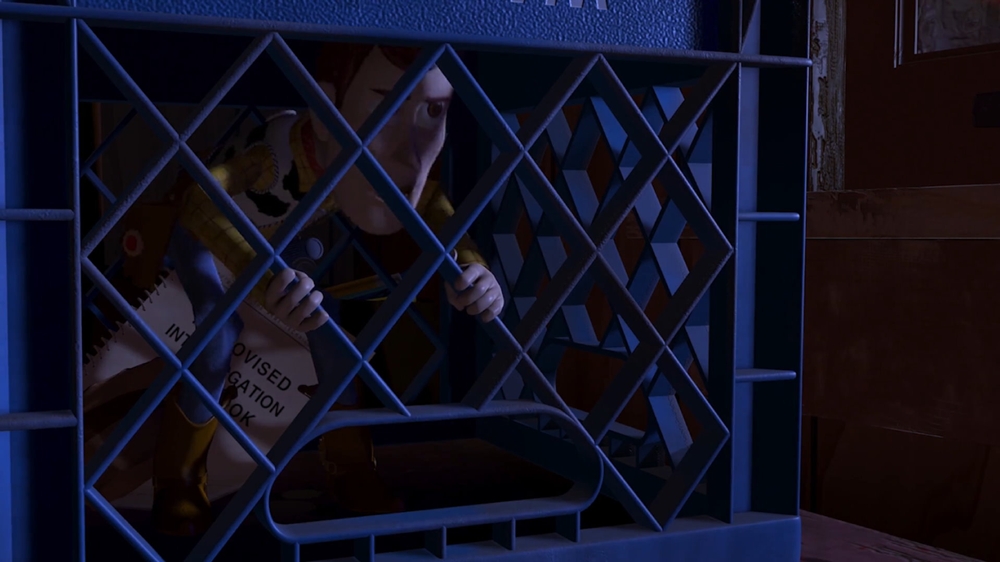
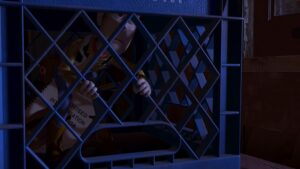
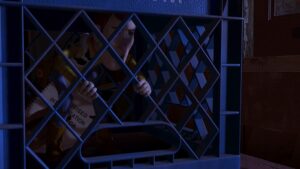
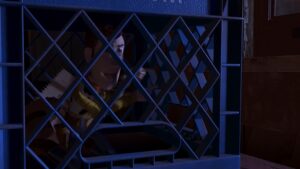
There’s a scene in the “Toy Story” (1995) where the toy Sheriff Woody finds himself in the neighbor kid Sid’s bedroom, where Sid likes to torture toys. When Woody hears that Sid is about to enter the room, he hides inside a soda crate. During this scene, Woody is often shown with only one eye visible through the rhombus grid of the crate, while the other eye is obscured.
As Woody listens to Sid talk while unboxing a massive rocket he plans to strap to a toy and launch into the sky to explode, Woody becomes terrified and does his best to stay hidden inside the soda crate.
The eye-behind-bars symbolism in this scene is fitting because Woody is a living toy, which is itself fantasy, and because Woody believes he is about to die, even though he ultimately survives. This makes the imprisoned-in-fantasy meaning of the eye-behind-bars symbolism especially clear.
Click to watch the video clip.
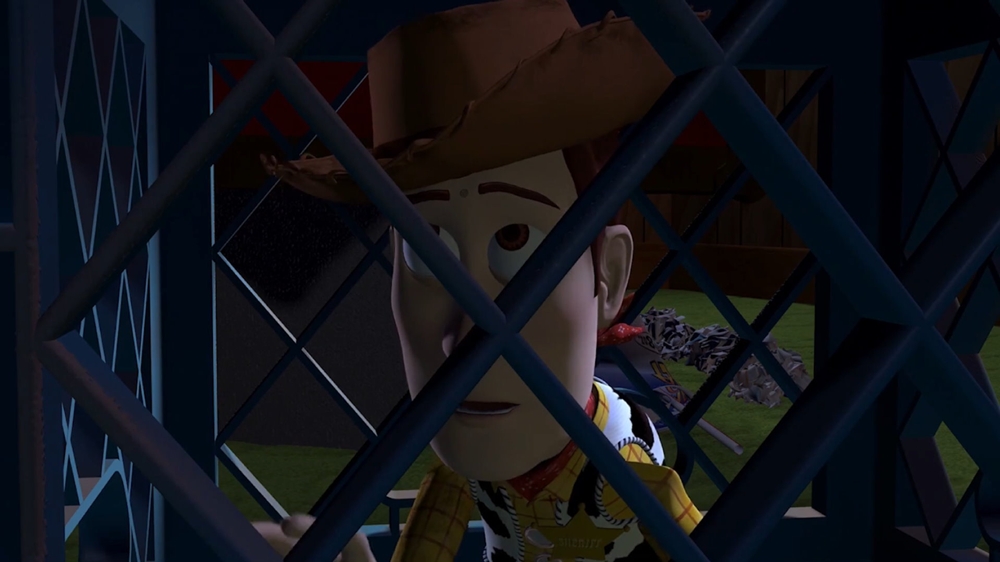
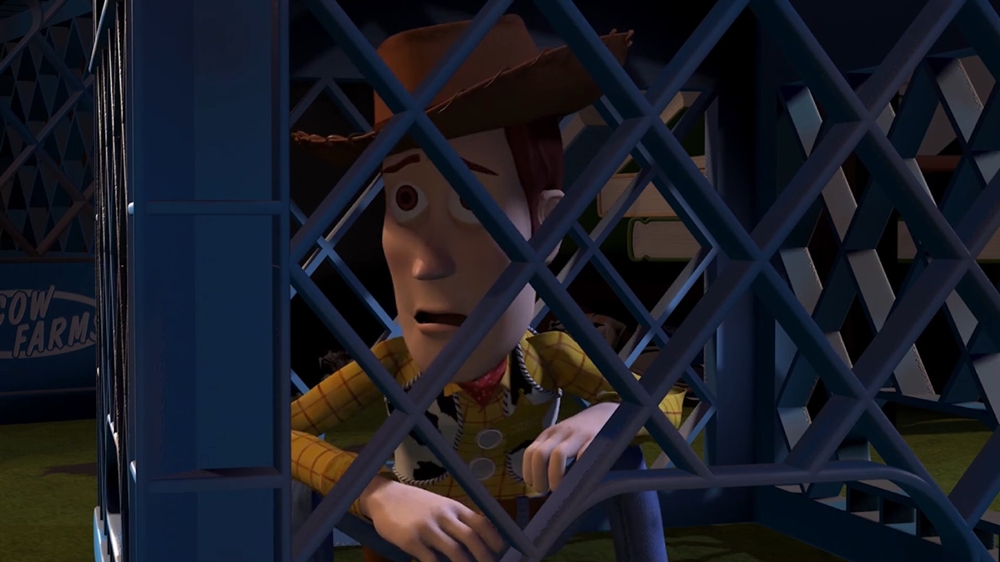
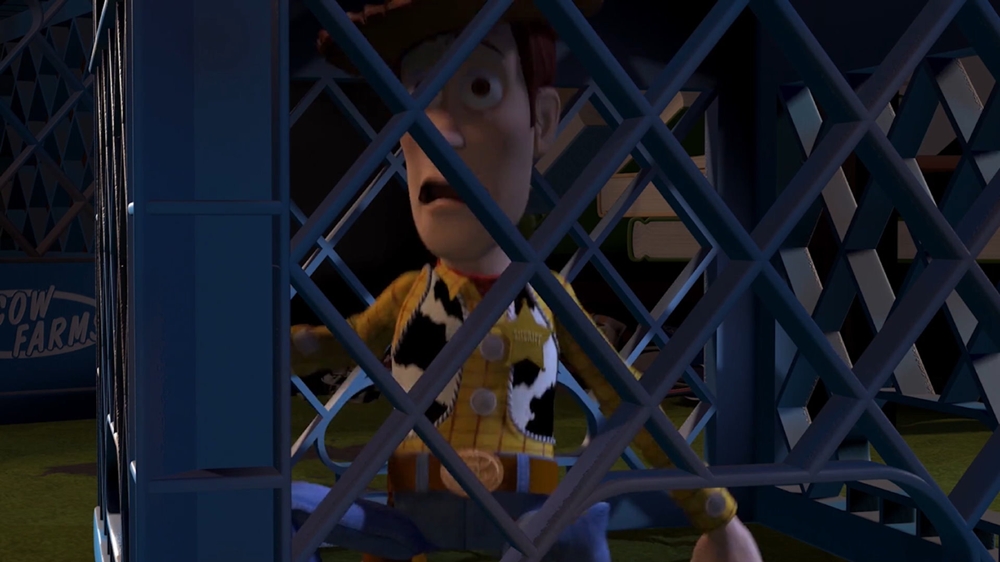
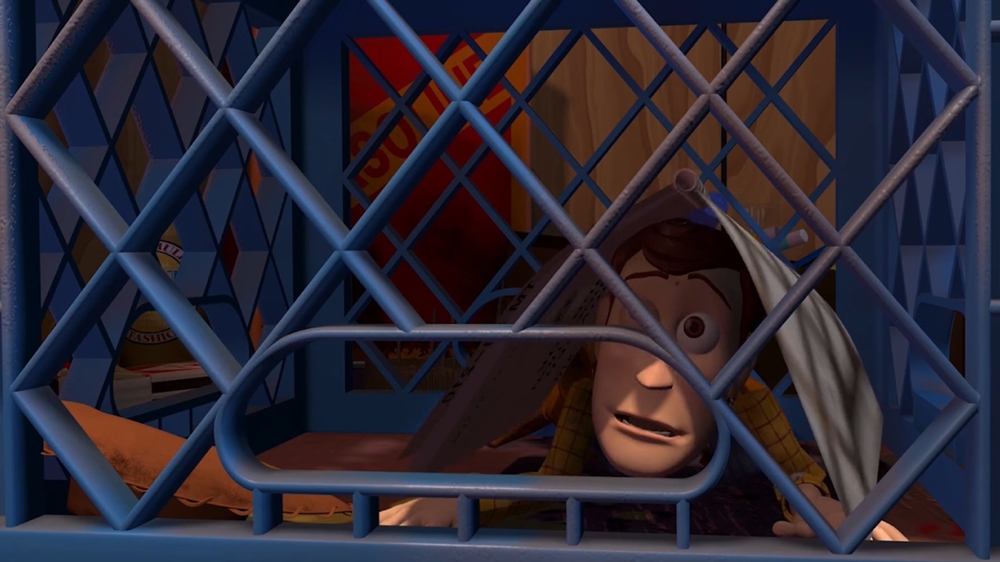
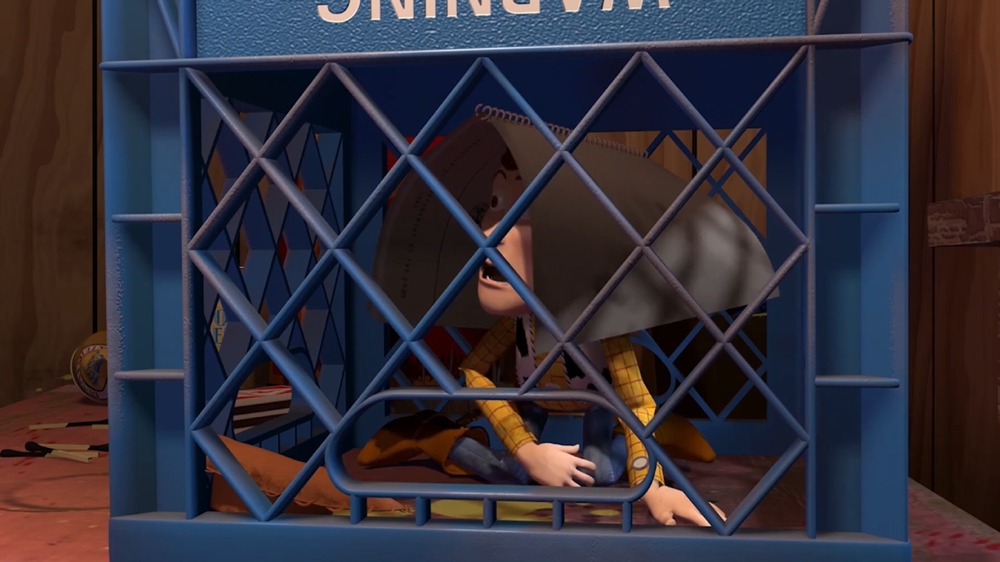
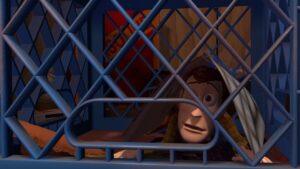
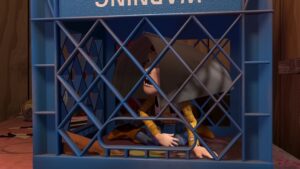
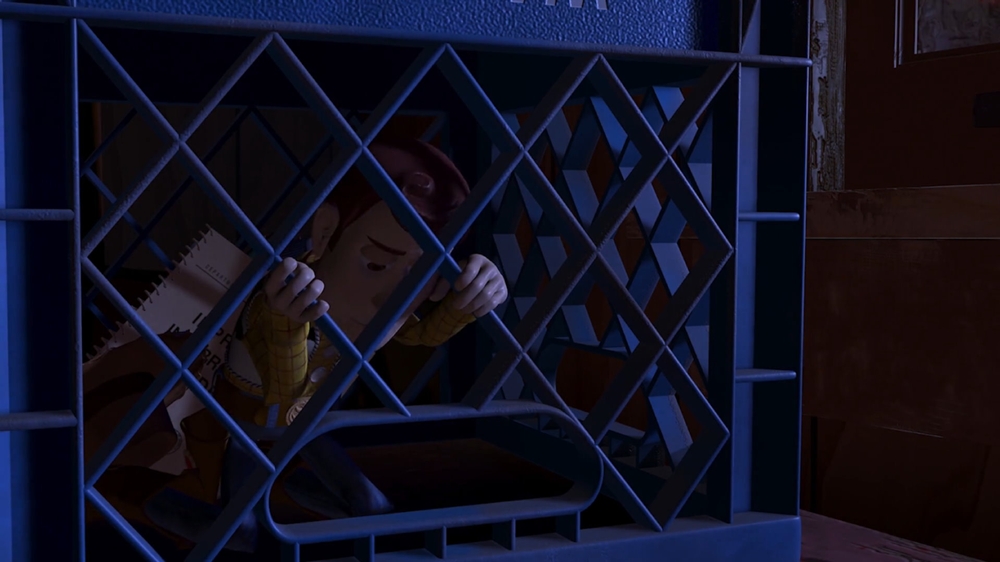
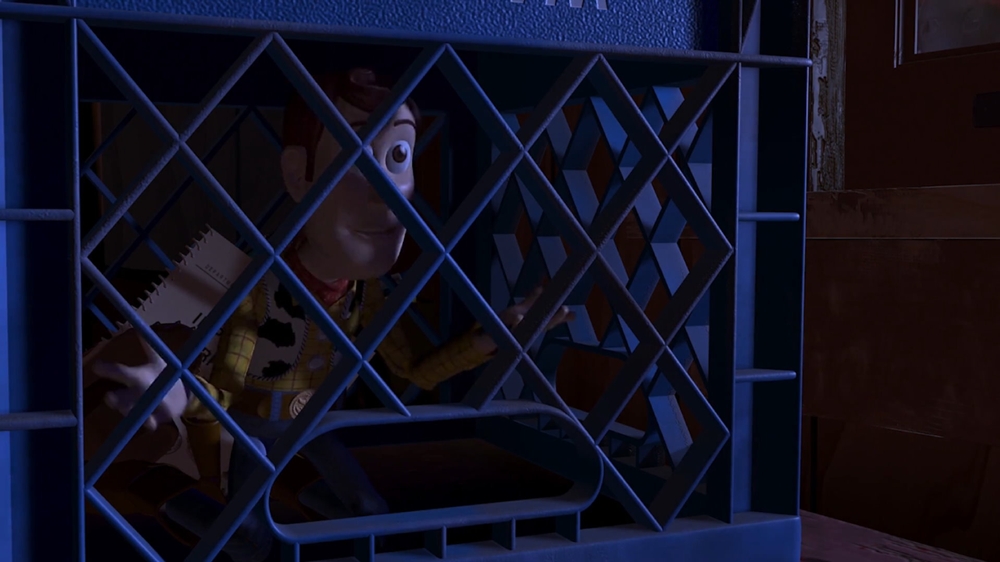
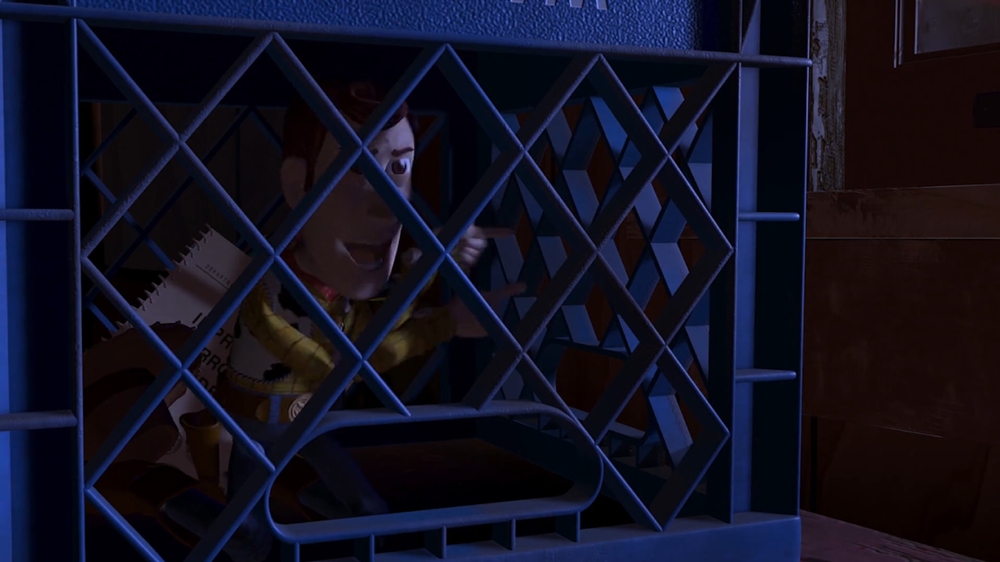
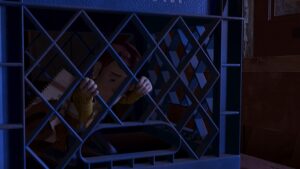
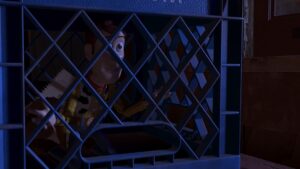
In another scene shortly afterward in “Toy Story” (1995), Woody is trapped beneath an upside-down soda crate with a heavy toolbox placed on top, making it impossible for him to escape without help. The other toy, Buzz Lightyear, sits beside him, too depressed to function. During this scene, Woody is often shown with only one eye visible through the rhombus grid of the crate, while the other eye is obscured.
Considering the metaphor in the Toy Story franchise that the toys represent human slaves exploited for the entertainment of the rich, the eye-behind-bars symbolism is fitting here. Woody continues to promote the purpose he believes toys are meant to serve, eventually convincing Buzz Lightyear to adopt the same ideology.
Click to watch the video clip.
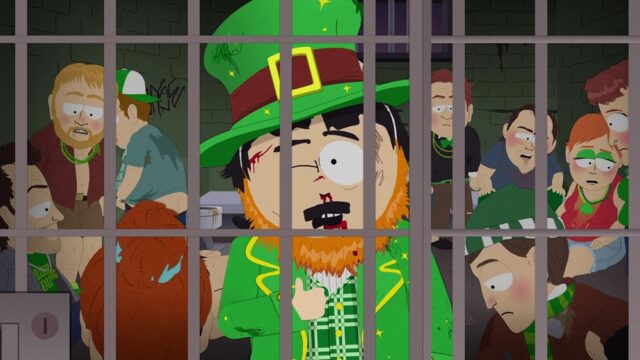
There’s a scene in the animated series “South Park”, season 25 episode 6, where Randy Marsh, dressed in a leprechaun costume, calls his son and asks him to bring some Saint Patrick’s special weed into the police station where Randy is being held in jail.
Stan and his friends arrive at the station carrying a Saint Patrick’s cake for Randy. At first, Randy does not realize that the weed is hidden inside the cake, so he starts yelling at Stan for never listening to him. A moment later, however, he suddenly understands that the weed is obviously hidden in the cake. Randy then winks at Stan to let him know that he understands what is going on.
This is not a major example of eye-behind-bars symbolism, but Randy’s wink is at least symbolically accurate, since winking is commonly associated with secrecy and hidden understanding. The green jail walls, combined with Randy’s green leprechaun costume, also fit the prison-themed symbolism of the scene.
The main “prison of fantasy” present in the shot is Randy himself: both his ridiculous costume and his absurd plan to smuggle weed into jail as part of an attempted escape.
In the music video for “Michael Jackson – Smooth Criminal,” Michael enters a nightclub filled with gangsters. The moment he walks in, he flicks a coin into the jukebox, causing the music to begin playing. The music functions as a distraction throughout the video, chaining the people in the nightclub to the rhythm and spectacle.
Within the story, Michael appears as a “smooth criminal” who protects Annie from assault by the other gangsters. This creates an ambiguity around his character, as he is presented as both criminal and heroic at the same time. The music video never clearly specifies who Annie is, especially since Michael is seen interacting with and rescuing more than one woman throughout the film.
Midway through the video, the roof window suddenly shatters, creating a dramatic atmospheric shift. Broken windows are often used symbolically to represent realization, disruption, or the breaking of illusion. After the glass breaks, the people in the nightclub appear terrified and distressed, screaming in panic while more voices begin repeating, “Annie, are you OK?” as Michael builds toward continuing the performance.
There is also a shot where a young girl looks through a barred hatch in a green back door with only her left eye visible.
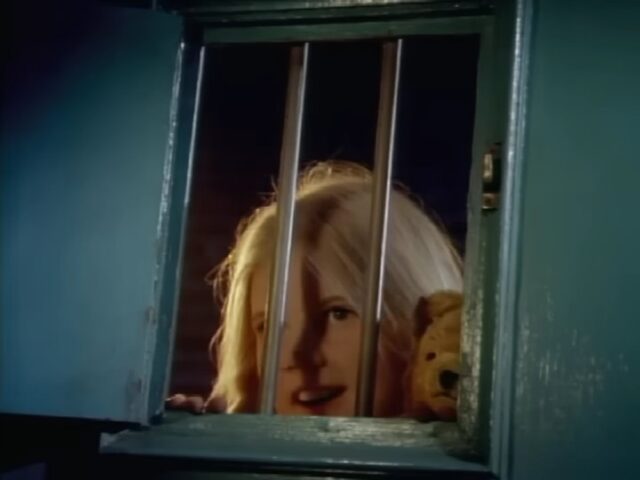
The barred framing and green color palette reinforce the video’s recurring imprisoned and illusion-based imagery. When the girl first looks into the nightclub, Michael Jackson responds with a wink just before performing the famous anti-gravity lean, which itself is an illusion. A wink is commonly associated with secrecy, hidden knowledge, or deception, which adds to the scene’s symbolic tone.
Through the blurred nightclub windows, silhouettes resembling armed police or soldiers can be seen surrounding the building, further increasing the sense of danger and entrapment.
At one point, a black-gloved hand suddenly covers the young girl’s mouth and pulls her away from the door while she is watching the nightclub from outside.
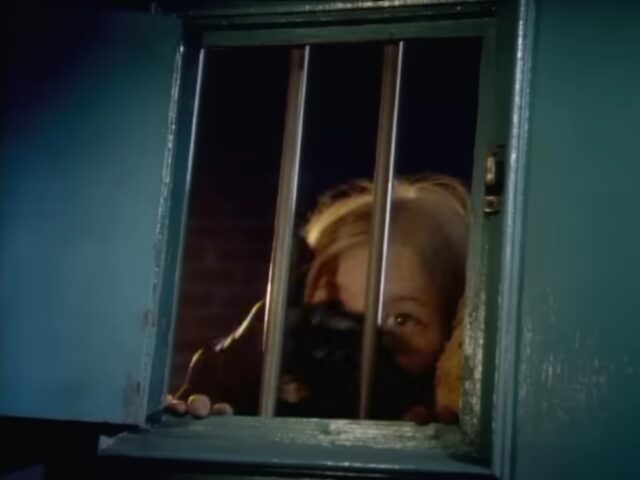
The scene is framed in a way that could suggest either protection or abduction, but considering the video’s recurring themes of deception, criminality, and hidden activity, it is reasonable to interpret the moment as a kidnapping. None of the people inside the nightclub appear to notice her disappearance.
Immediately afterward, Michael begins firing a machine gun inside the nightclub, creating chaos and distraction before escaping through the same green door. A woman closes the door behind him and attempts to behave normally, implying that she may have assisted in his escape.
Viewed symbolically, the entire music video can be interpreted as a large theatrical distraction surrounding the disappearance of the young girl. From this perspective, it is reasonable to speculate that the kidnapped girl may be the real Annie referred to throughout the song.
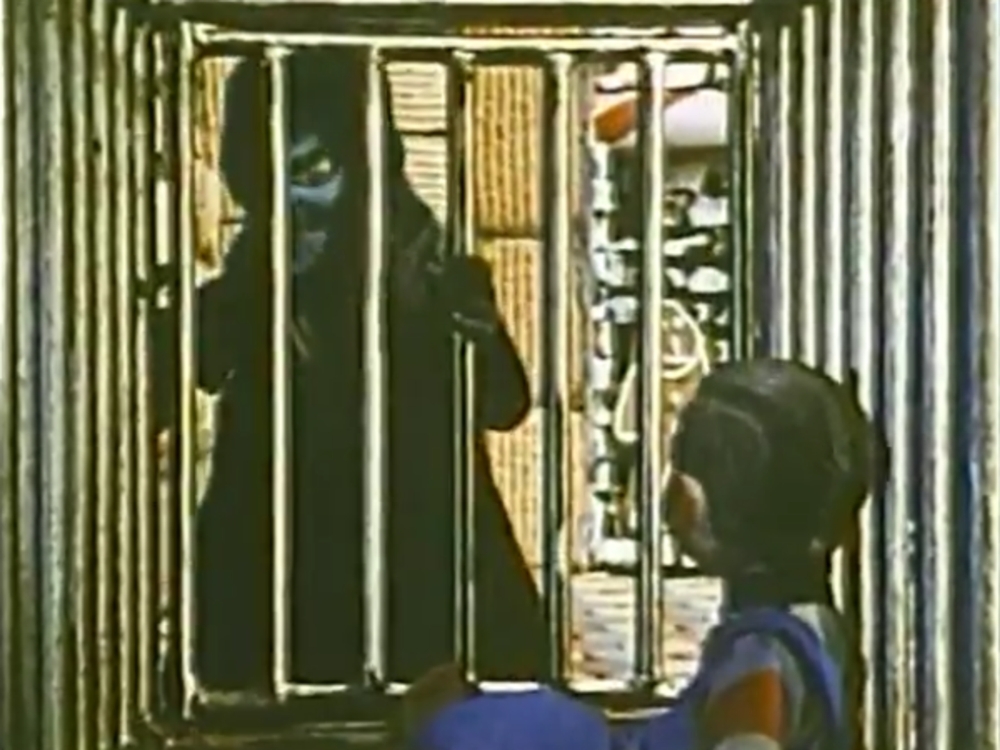
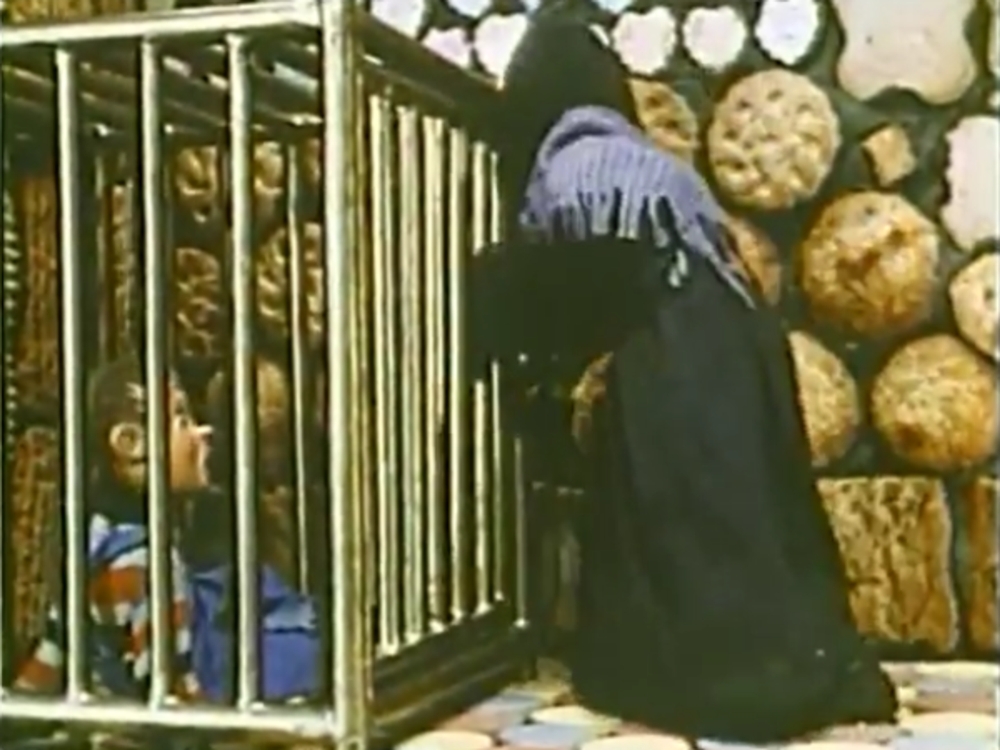
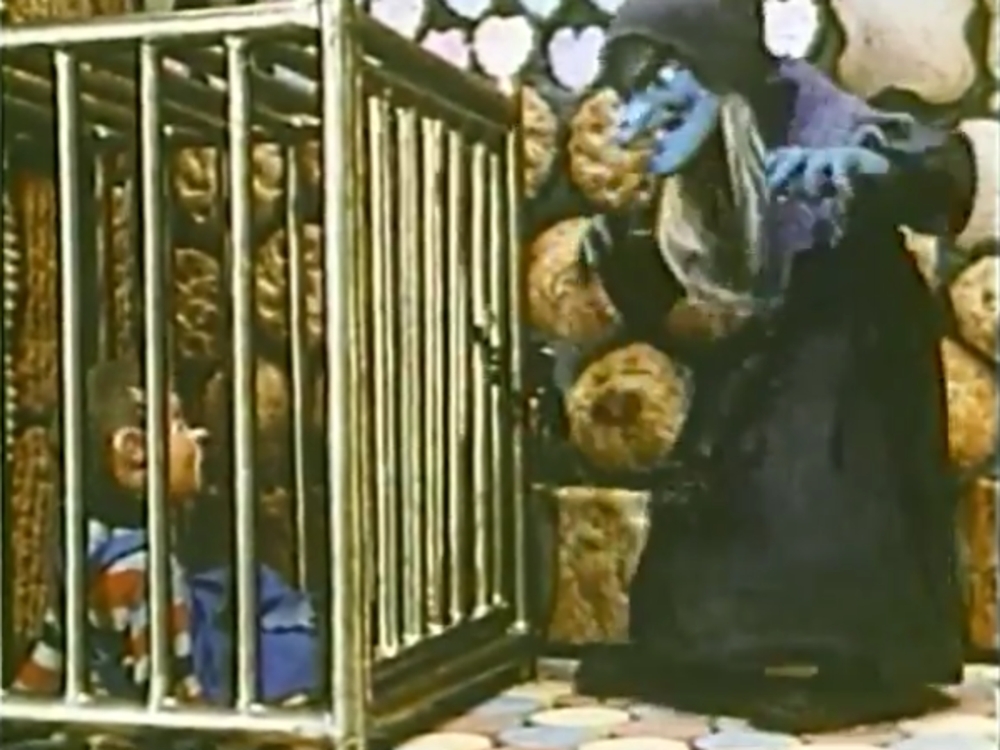
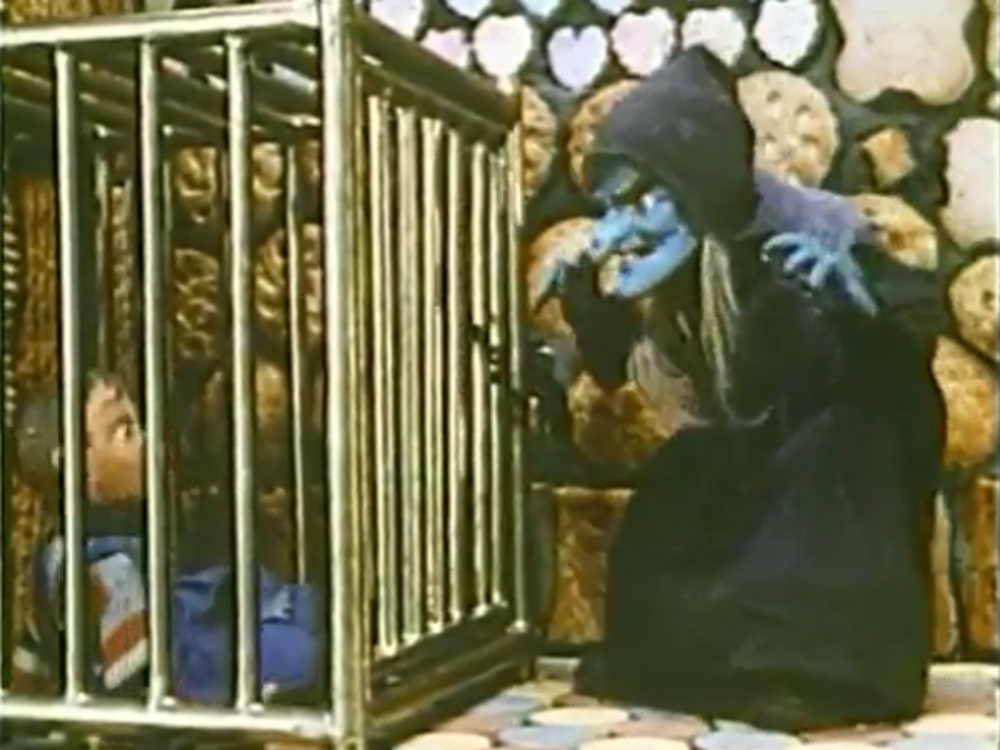
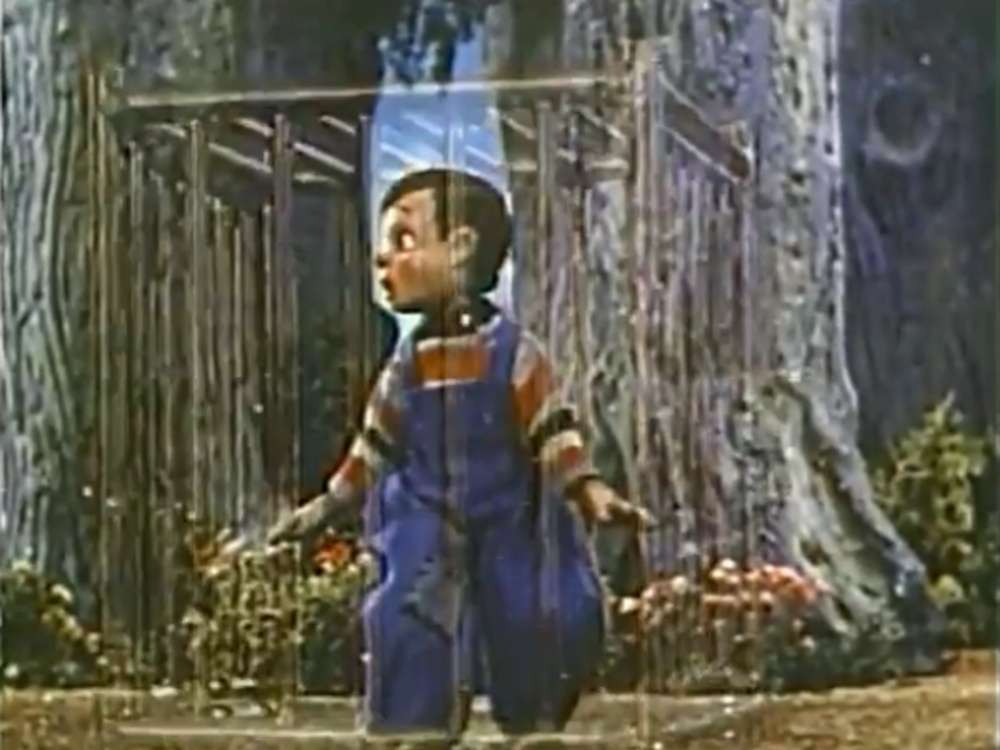
The stop-motion short film “The Story of Hansel and Gretel” (1951) is an adaptation of the classic Brothers Grimm fairy tale.
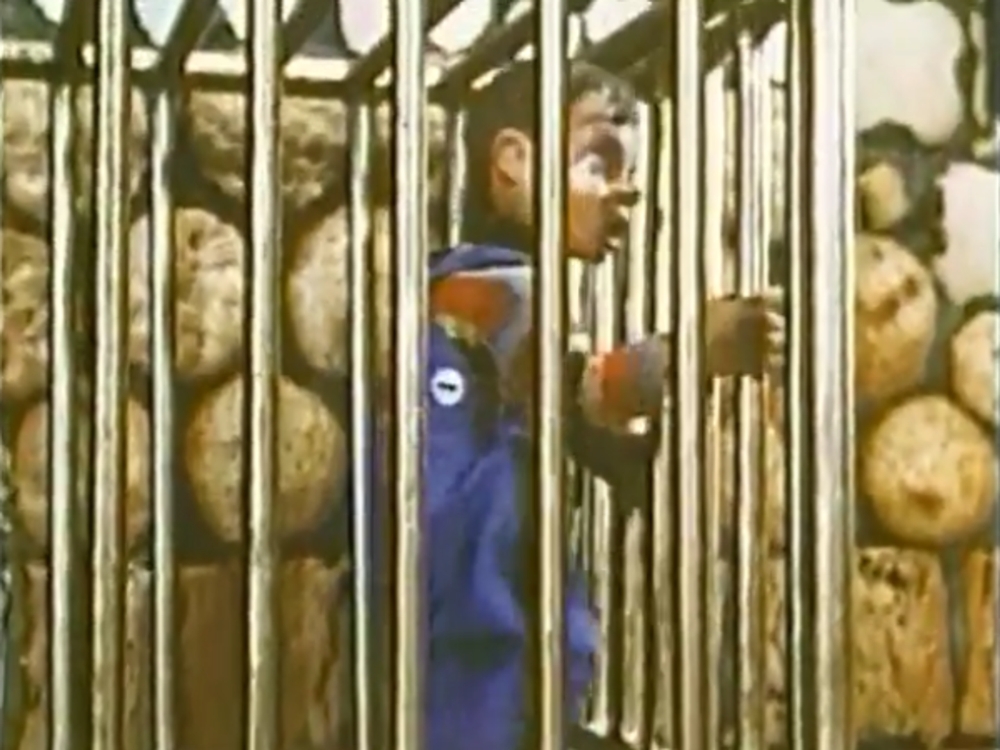
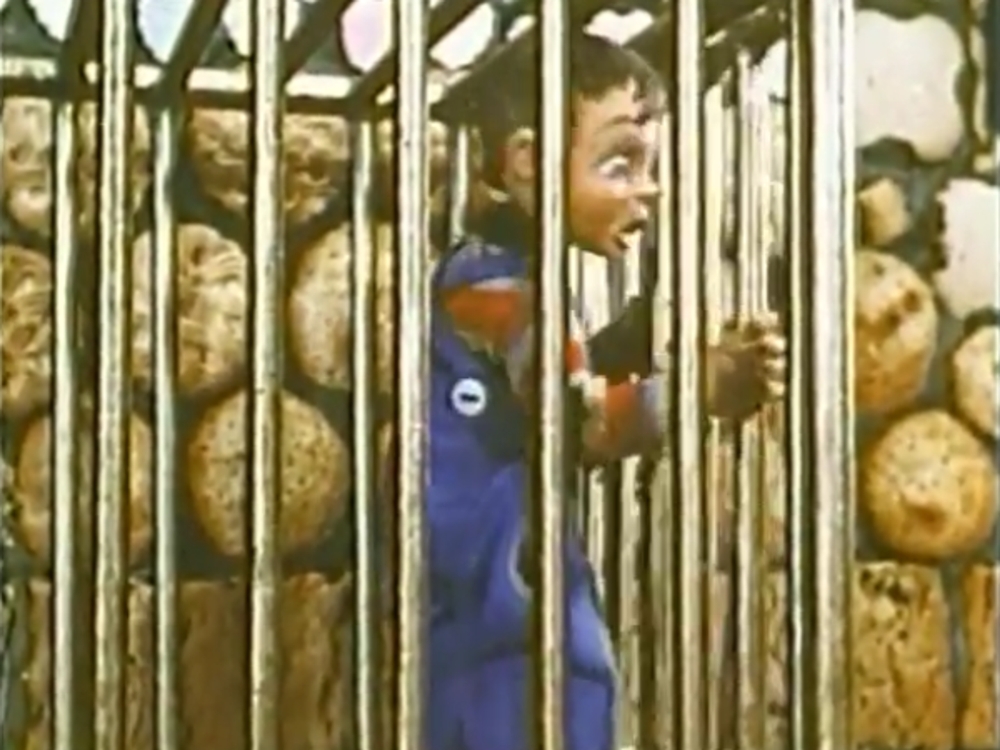
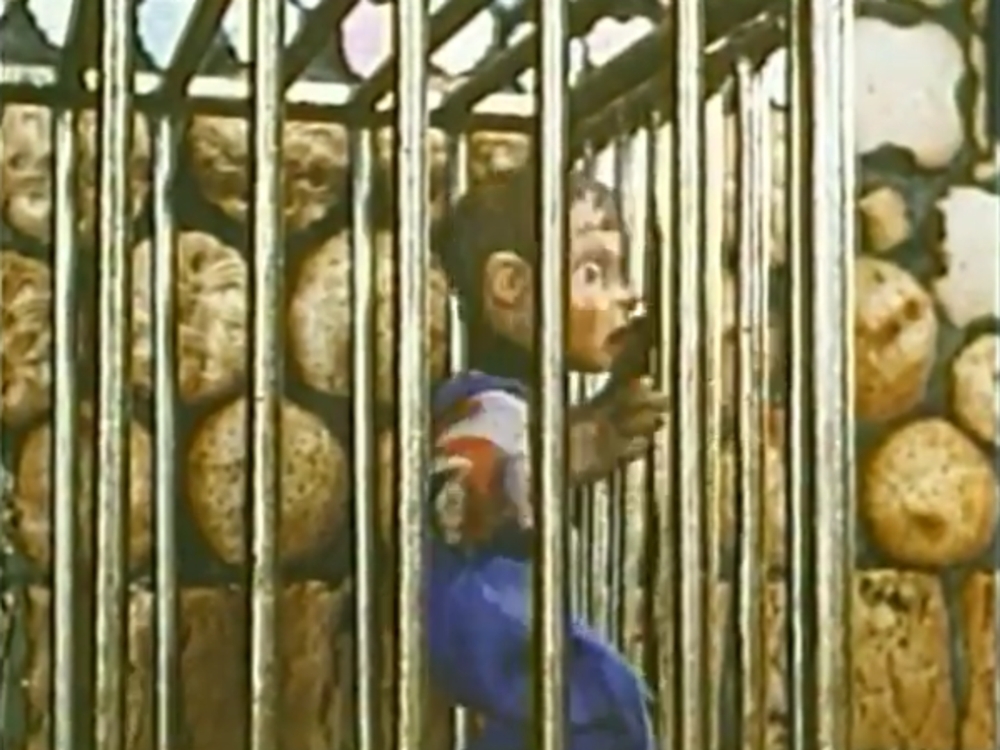
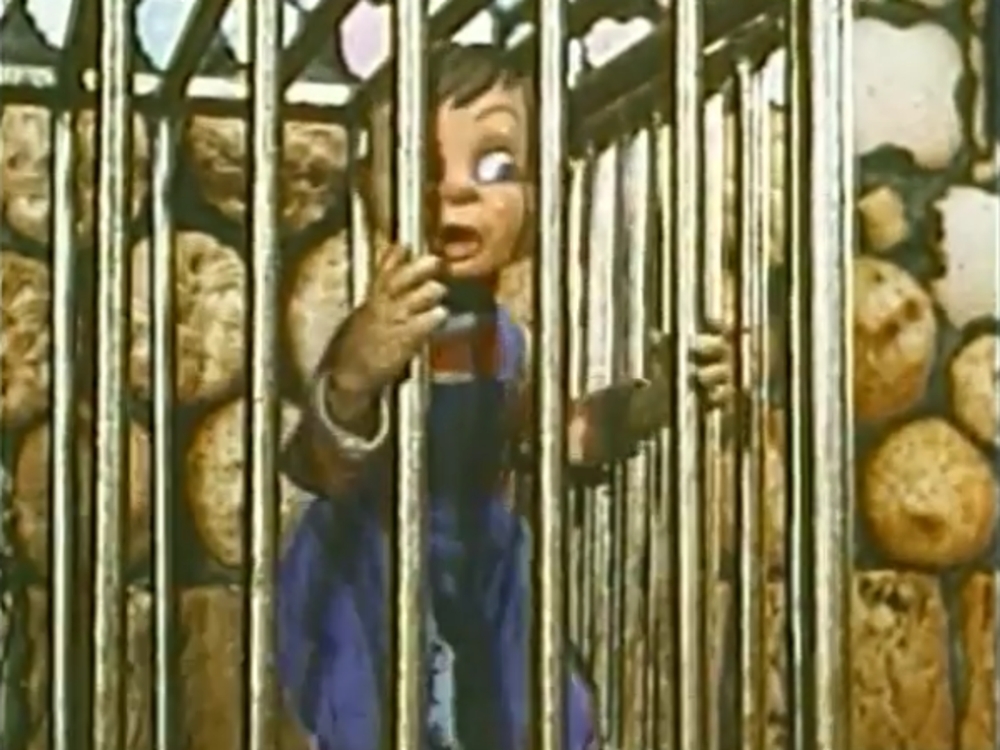
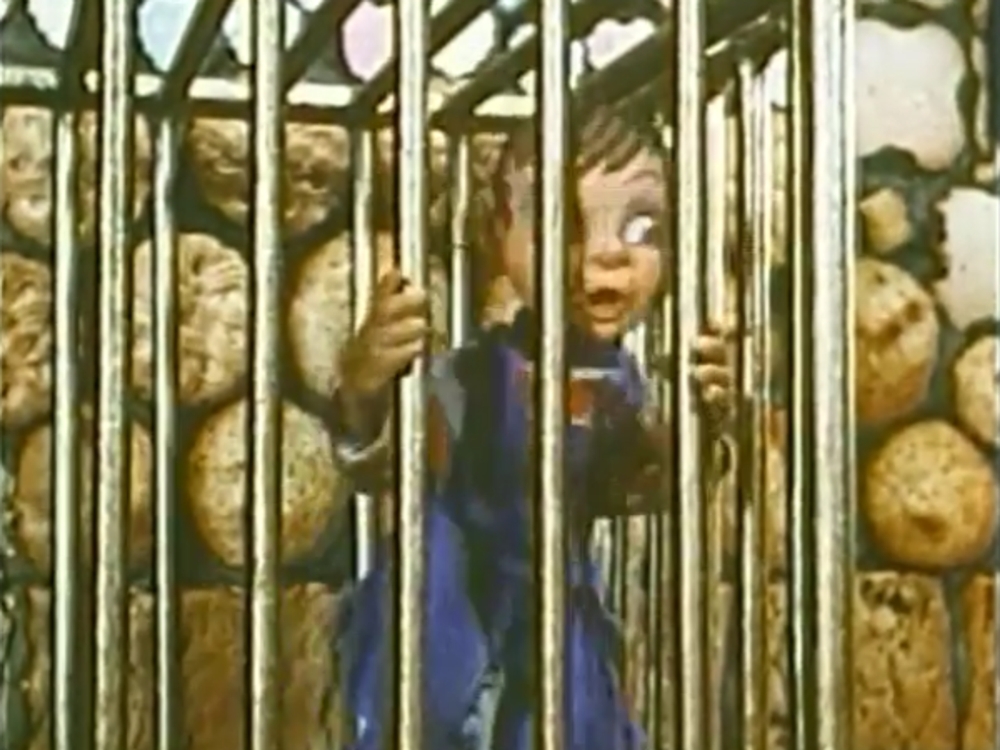
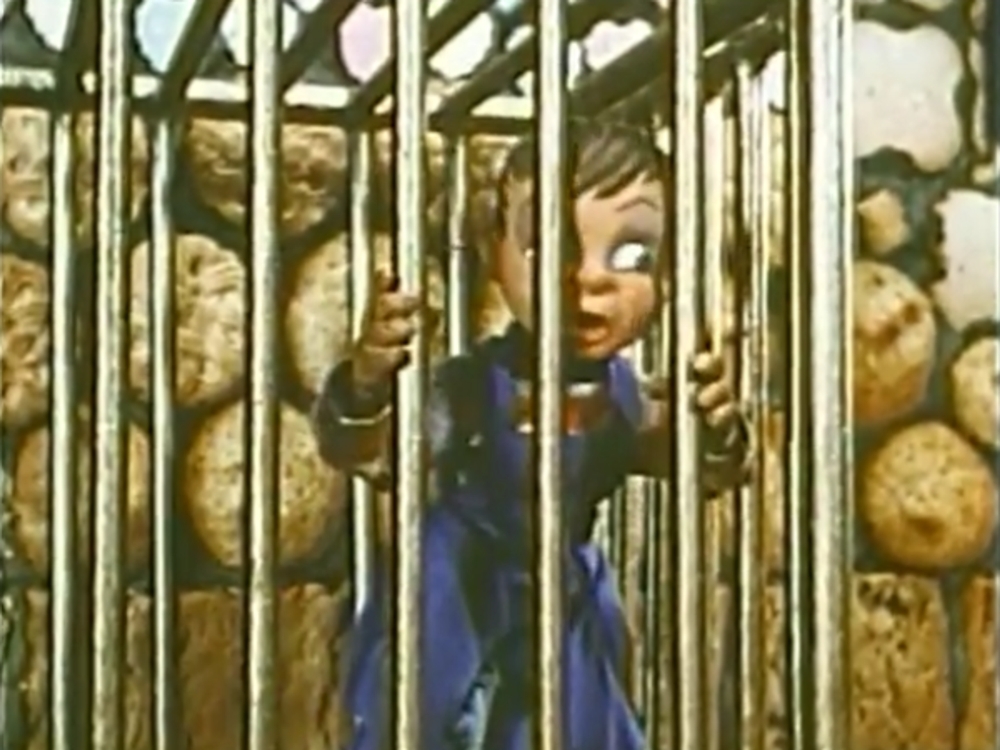
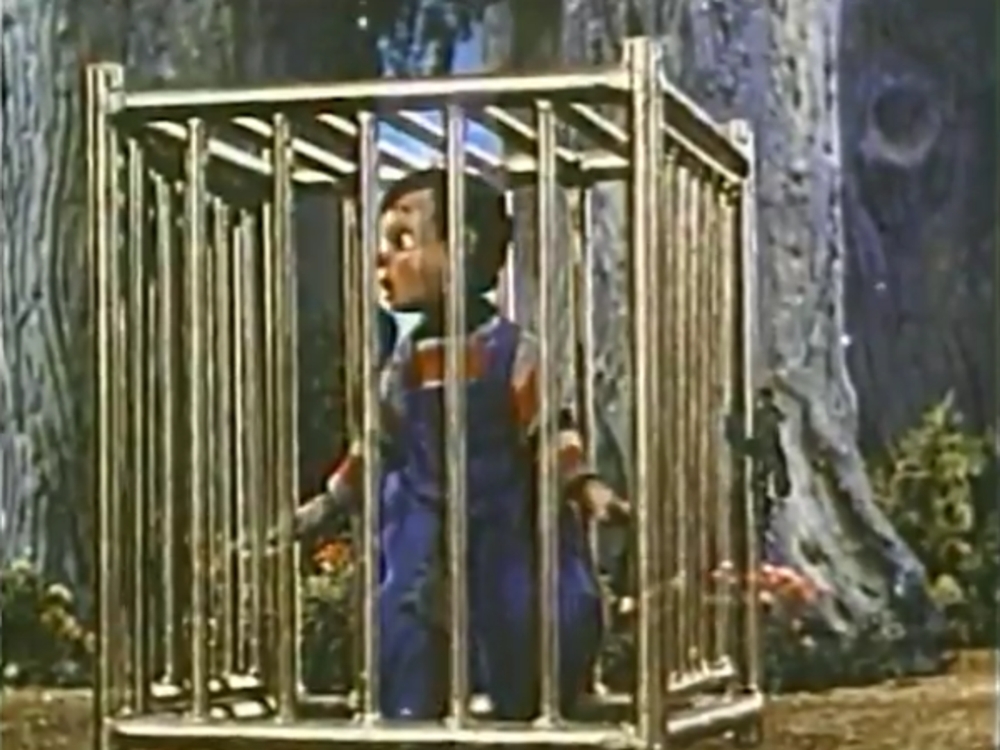
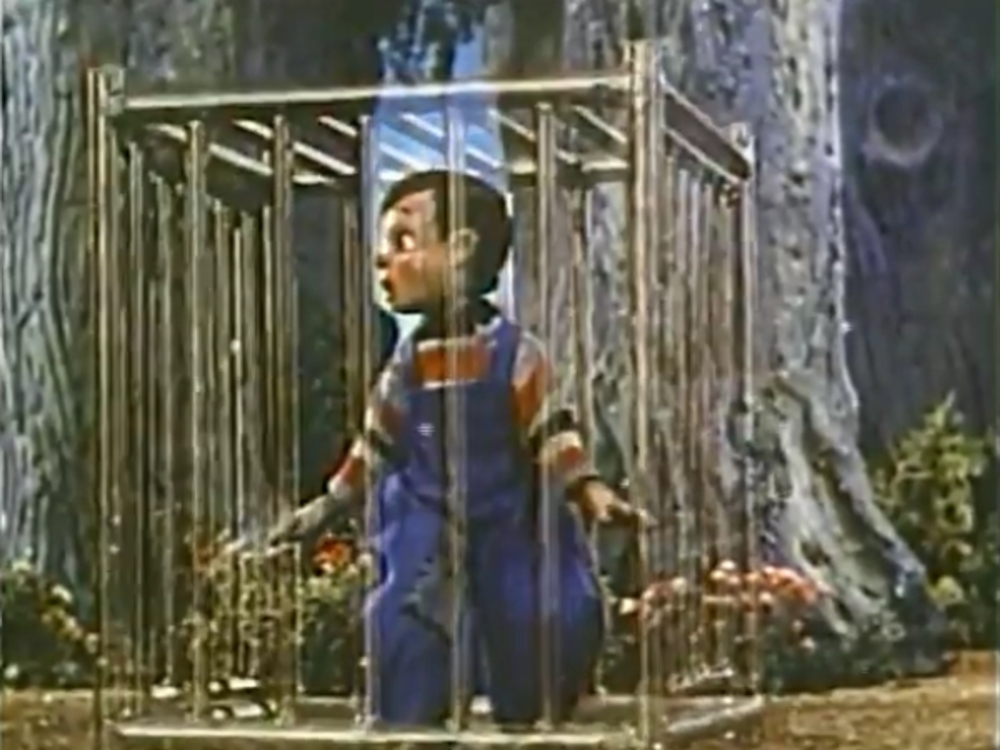
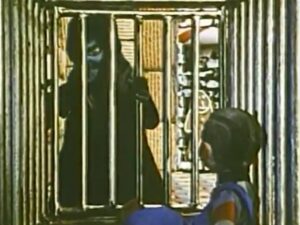
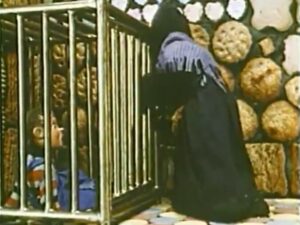
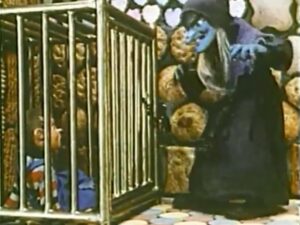
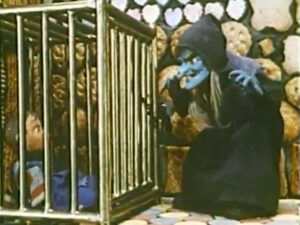
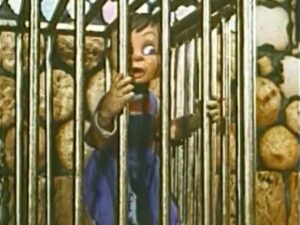
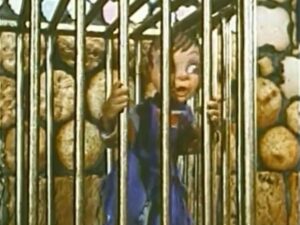
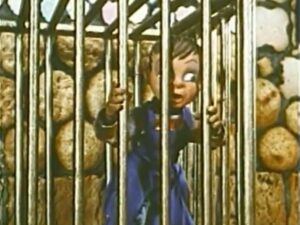
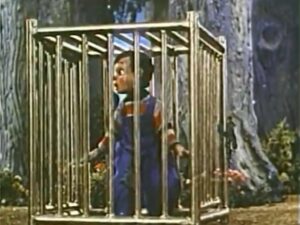
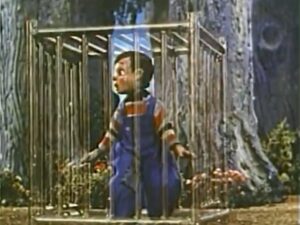
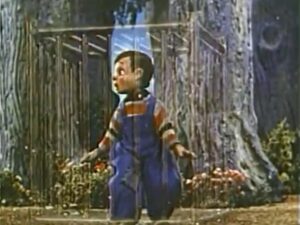
The story follows two young siblings, Hansel and Gretel, who wander into a forest and become lost. There they discover a strange gingerbread house that has magically appeared, owned by an old witch. The witch invites them inside, but she secretly plans to fatten the children up and cook them in her oven. As the witch locks Hansel in a cage, we see eye-behind-bars symbolism where Hansel is portrayed with only one eye visible, as he is the gullible one, while the witch is portrayed with only her left eye visible, also known as the “Eye of the Devil,” as she is the evil one. Eventually, Gretel tricks the witch and pushes her into the oven, allowing the children to escape safely from the forest.
The entire scenario is filled with fantasy: the magical gingerbread house, the witch, and the magical escape. The main idea behind symbolic videos, especially in Brothers Grimm fairy tales, is that whenever something impossible happens, it symbolizes something that is actually possible. In this case, the house is real, the witch is simply a cruel woman, and the magical escape does not literally happen.
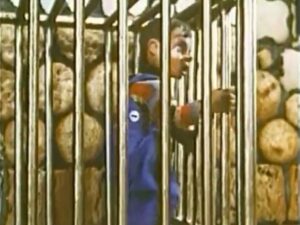
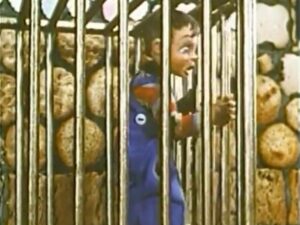
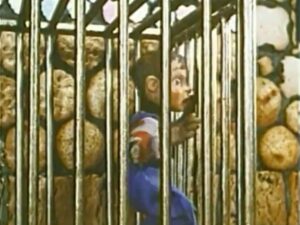
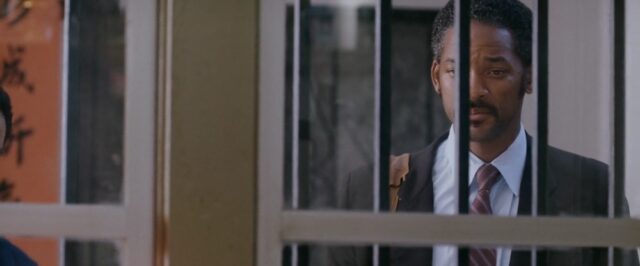
The movie “The Pursuit of Happyness” (2006) begins with Chris Gardner dropping off his son at daycare. Chris is a deeply miserable man obsessed with the pursuit of happiness. Outside the daycare, he complains about street art on a wall, specifically that the word “Happyness” is misspelled with a Y instead of an I. Right after this, we see Chris behind a barred window looking at his son inside the daycare, with the bar obscuring his right eye and leaving only his left eye visible.
Throughout the film, Chris invests all his savings into portable bone-density scanners that are difficult to sell. As his financial situation collapses, his wife leaves him, forcing him to care for his young son Christopher alone.
Chris becomes homeless and struggles to survive while trying to provide stability for his son. They spend nights in shelters, public bathrooms, and wherever they can find safety. Despite this, Chris refuses to give up and applies for a highly competitive unpaid internship at a stock brokerage firm.
While balancing homelessness, fatherhood, and the intense internship, Chris works harder than the other candidates, hoping to secure the single paid position available at the end of the program. Throughout the film, his determination, optimism, and love for his son drive him forward despite constant setbacks.
In the ending, Chris is finally offered the job, marking the beginning of a better life and the fulfillment of the “happiness” he had been chasing. But as Chris says himself: “This part of my life, this little part, is called happiness,” making it clear that the feeling is only temporary before he continues his miserable life, still imprisoned in the fantasy.
The film places massive emphasis on how difficult Chris’s pursuit is, making the eye-behind-bars symbol at the very beginning especially fitting, as it becomes increasingly clear that it is the pursuit of the fictional concept of happiness itself that is making him miserable.
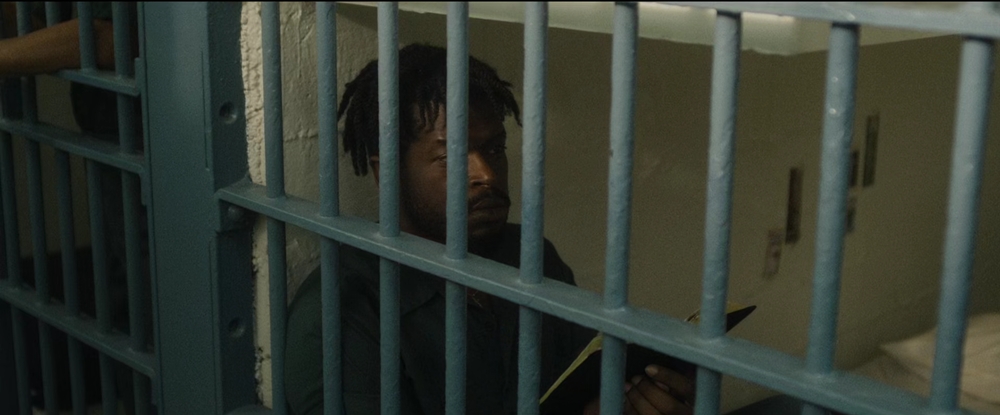
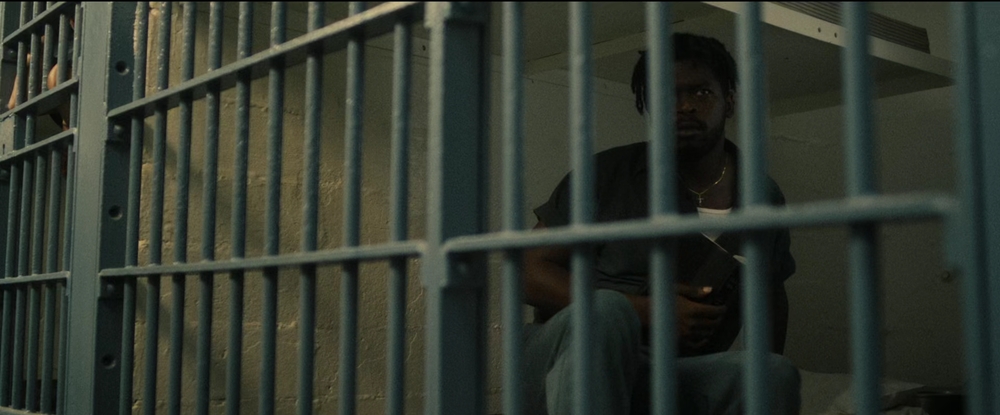
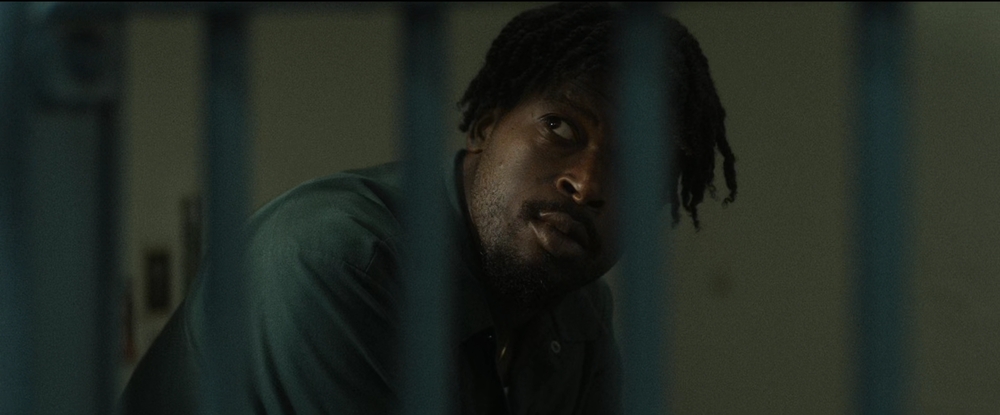
In the TV series “Monster: The Jeffrey Dahmer Story” (2022), episode 10, which is the final episode, Jeffrey Dahmer is in prison after being convicted of the murder, dismemberment, and sexual assault of 15 boys and men in Wisconsin between 1978 and 1991. The series is presented as being based on a true story.
Another inmate in the prison is Christopher Scarver, who was convicted of murdering a supervisor during a robbery at a training program in Wisconsin in 1990.
In real life, Scarver later claimed that Dahmer sometimes joked about cannibalism and disturbed other inmates. However, accounts differ, and these alleged jokes were not directly included in the show. One scene does show Scarver overhearing Dahmer trying to sell his autograph to another inmate. In another scene, Scarver witnesses an inmate accidentally sitting on a chair where Dahmer had placed a tray of food, causing Dahmer to laugh. Later, Scarver sees Dahmer place another tray of food on a seat and quietly laugh to himself afterward. Immediately after witnessing this, Scarver confronts Dahmer in a very threatening manner, telling him that the difference between them is that Scarver is a Christian who has atoned for his sins, while Dahmer clearly shows no remorse.
After this confrontation, and after hearing another serial killer, John Wayne Gacy, publicly present himself on television as calm and religious, Dahmer begins studying Christianity by regularly speaking with Roy Ratcliff, a Christian minister who visits him in prison, discusses the Bible with him, answers his questions about God and forgiveness, and eventually baptizes him.
Although several inmates later claimed that Dahmer appeared sincere about Christianity, considering that Jeffrey Dahmer had been an extreme manipulator for much of his life, it is reasonable to speculate that he may either have been pretending in order to reduce the risk of being attacked, or trolling people in order to provoke them.
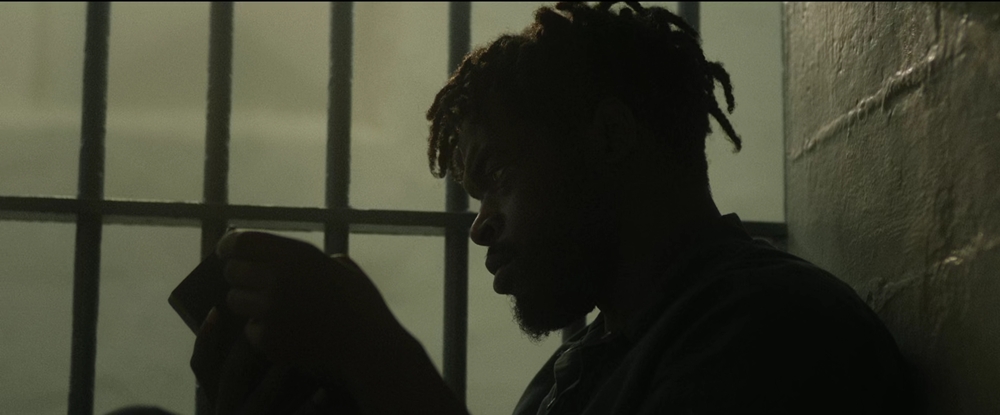
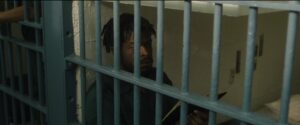
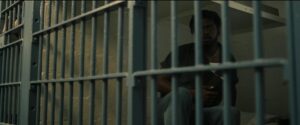
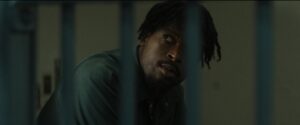
During three different scenes in which Scarver is locked inside his prison cell, he is shown with only one eye visible behind the prison bars. The first time, Scarver is sitting on his bed reading the Bible when he hears Dahmer speaking while being escorted through the hallway by a guard. The second time, Scarver is lying on his bed holding his Bible before sitting up as he sees Dahmer being escorted by two guards on his way to be baptized. The third time occurs when a guard comes to bring Scarver to a work assignment. Scarver is placed in the same room as Jeffrey Dahmer and another inmate, Jesse Anderson, who had been convicted of murdering his wife in 1992. After killing her, Anderson falsely blamed black men for the attack, which caused major controversy because of the racial implications and because it fueled suspicion toward innocent people. While the three inmates are assigned to clean a prison gym bathroom area without guards immediately present, Scarver kills both Dahmer and Anderson.
The eye-behind-bars symbolism is clearly used to represent how Scarver is imprisoned in fantasy, as his belief in the Bible leads him to believe he is carrying out God’s work by killing two men who had already been sentenced to life in prison.
Articles:
A Wolf Howling in Front of a Full Moon

Definition: The image of “a wolf howling in front of a full moon” is an Illuminati symbol. Description: The idea that wolves howl more during a full moon is a…
Black Cube

Definition: A “black cube” is a three-dimensional geometric shape with six equal square faces, uniformly colored black. A cube being black primarily serves as a symbol. Etymology: The word “cube”…
Box of Shame
Definition: A “box of shame” is a metaphorical and visual representation of shame, embarrassment, or a desire to hide from judgment, usually by wearing a cardboard box over one‘s head…
Christmas Tree

Definition: A “Christmas tree” is an evergreen tree, often a fir, spruce, or pine, decorated with lights, ornaments, tinsel, and other Christmas decorations. Etymology: The term “Christmas tree” combines “Christmas,”…
Cone
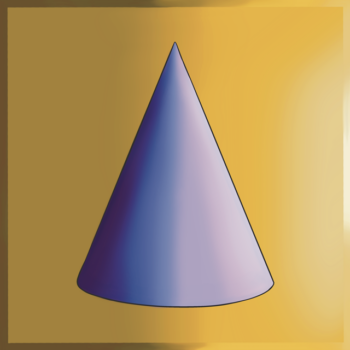
Definition: A “cone” is a geometric figure with a circular base that tapers evenly to a single point, called the apex. Etymology: The word “cone” originates from the Latin word…
Cube
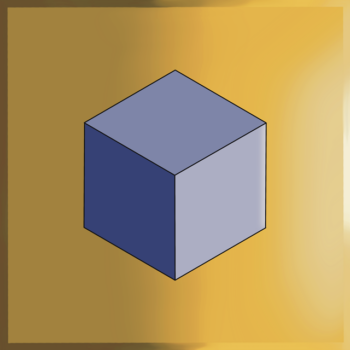
Definition: A “cube” is a three-dimensional geometric figure with six equal square faces, twelve edges, and eight vertices. In mathematics, it is a special type of rectangular prism where all…
Eye
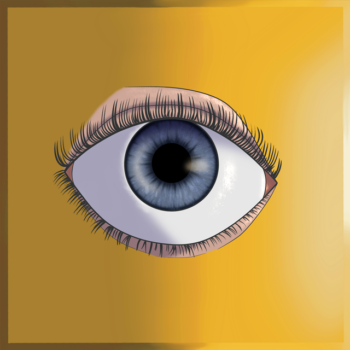
Definition: The “eye” is a complex sensory organ responsible for vision. It detects light and converts it into electrochemical signals, which are then processed by the brain to produce images….
Eye and Archery Bow
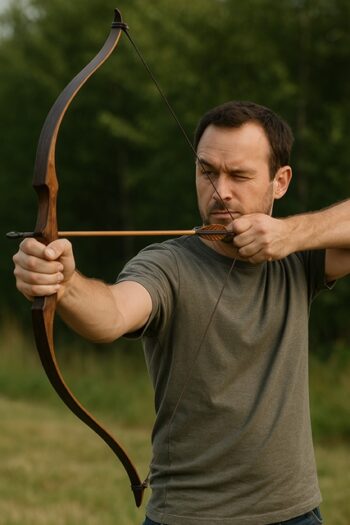
Definition: The “eye and archery bow” is a symbol that consists of a single eye and an archery bow. Etymology: “Eye” comes from Old English “ēage,” Proto-Germanic “augon,” Proto-Indo-European “okʷ-”…
Eye and Smile
Definition: The “eye and smile” is a symbol that consists of a single eye and a smile. Etymology: The English word “eye” comes from the Old English “ēage”, which is…
Eye of Deception
Definition: The “Eye of Deception” is a symbolic representation that what is being observed or conveyed is false or misleading. It serves as a warning or indication that what is…
Eye of Fantasy
Definition: “Eye of Fantasy” refers to the symbol of a single eye used to represent a situation that is impossible, unrealistic, or inaccurate. It is often used to indicate that…
Eye of Jesus
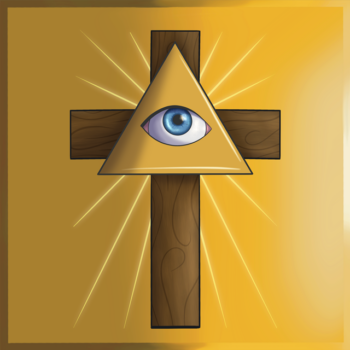
Definition: The term “Eye of Jesus,” also known as the “Eye on the Cross,” typically refers to a metaphorical or symbolic concept within Christian theology and spirituality. It is not…
Eye of the Devil
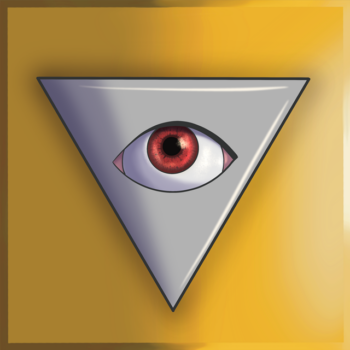
Definition: The “Eye of the Devil” typically refers to a malevolent, watchful gaze that symbolizes evil, misfortune, or a sinister presence. It can be interpreted literally, as an actual eye…
Eye of Truth
Definition: The “Eye of Truth” is a symbolic concept carrying dual meanings. The Eye of Truth is used by spiritual people as a metaphor for seeing that which does not…
Eyes of Horus
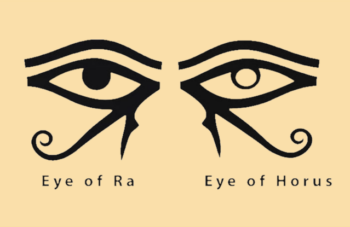
Definition: The “Eyes of Horus” is an ancient symbol originating from ancient Egyptian mythology where a set of two eyes were referred to as the Eyes of Horus, Udjat, or…
Kaaba
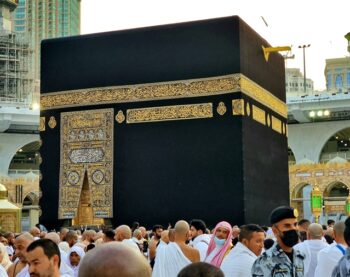
Definition: The “Kaaba” is a cube-shaped building located in the center of the Masjid al-Haram in Mecca, Saudi Arabia. It is the most sacred site in Islam and serves as…
Pyramid
Definition: A “pyramid” is a geometric shape with a polygonal base and triangular sides meeting at a single apex. Etymology: The term “pyramid” originates from the Greek word “pyramis,” meaning…
Santa Hat
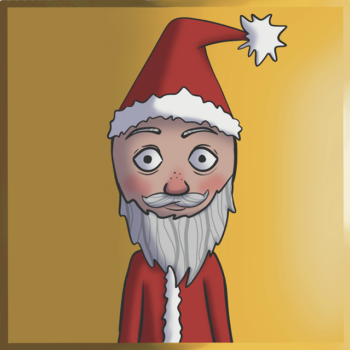
Definition: A “Santa hat” is a festive piece of headwear typically worn during the Christmas season. Etymology: The term “Santa hat” is derived from “Santa Claus,” the popular figure associated…
Seal of Solomon
Definition: The “Seal of Solomon,” also known as the “Ring of Solomon,” is a symbolic emblem attributed to King Solomon, a wise and powerful monarch in Jewish, Christian, and Islamic…
Spiderweb
Definition: A “spiderweb” (or “cobweb”) are networks of thin threads of silk spun by spiders to capture prey. Etymology: The word “spiderweb” comes from the Old English “spider” and “web,”…
Star of David
Definition: The “Star of David,” also known as the “Magen David” (Shield of David), is a hexagram or six-pointed star formed by two interlocking triangles. It is a prominent symbol…
Tefillin
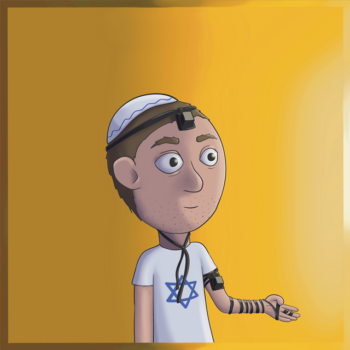
Definition: “Tefillin” are small black leather boxes containing Hebrew scriptures, worn by observant Jewish men during weekday morning prayers. One box is bound to the forehead, and the other to…
The All-Seeing Eye
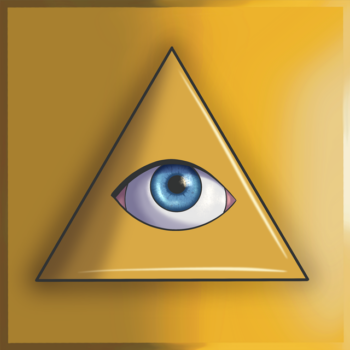
Definition: The “All-Seeing Eye,” also known as the “Eye of Providence” or the “Eye of God,” is a symbol often depicted as an eye enclosed in a triangle and surrounded…
The Great Seal of the United States of America

Definition: “The Great Seal of the United States” is a national seal that symbolizes the authority and sovereignty of the federal government. Description: The Great Seal was adopted by the…
Tower Cake
Definition: A “kransekake,” meaning “wreath cake”, also known as a “tower cake,” is a Danish and Norwegian traditional cake made of almonds, sugar, and egg whites. Etymology: The term “tower…
Tower of Babel
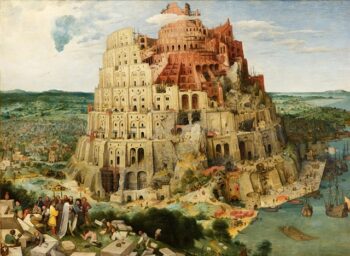
Pieter Bruegel the Elder: The Tower of Babel (1563). Lucas van Valckenborch: Tower of Babel (1594). Gustave Doré: The Confusion of Tongues. Definition: The “Tower of Babel,” also known as…
Traffic Cone
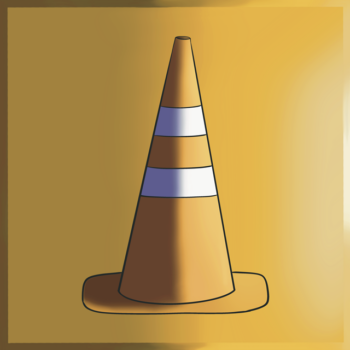
Definition: A “traffic cone” is a brightly colored, conical-shaped safety device used to delineate traffic lanes or to redirect vehicles and pedestrians in a controlled manner. Etymology: The term “traffic…
Triangle
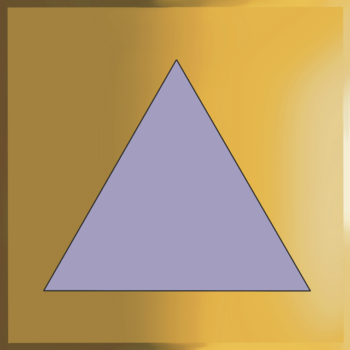
Definition: A “triangle” is a geometric figure consisting of three lines that meet at three corners, also called angles or vertices. The sum of the three angles in a triangle…
Volcano
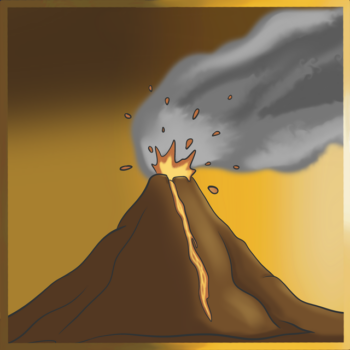
Definition: A “volcano” is a geological formation, typically a mountain, where molten rock (magma), ash, and gases from the Earth’s interior erupt through the Earth’s crust. Etymology: The word “volcano”…
Wedding Cake
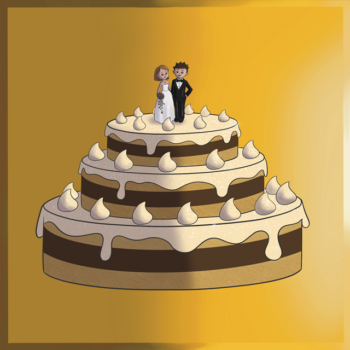
Definition: A “wedding cake” is a special cake served at a wedding reception following the wedding ceremony. It is often multi-tiered, elaborately decorated, and designed to reflect the couple’s tastes…
Witch’s Hat
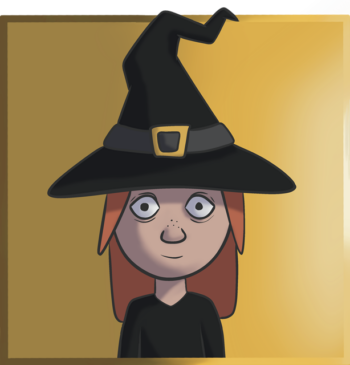
Definition: A “witch’s hat” is a hat worn by a witch. It’s typically a tall pointed, cone-shaped black hat with a wide brim. Etymology: The term “witch” comes from the…
Wizard’s Hat
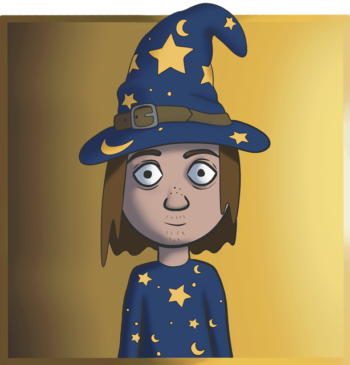
Definition: A “wizard’s hat” is a hat worn by a wizard. It’s typically a tall pointed, cone-shaped hat with a wide brim, adorned with stars, moons, or other mystical symbols….