
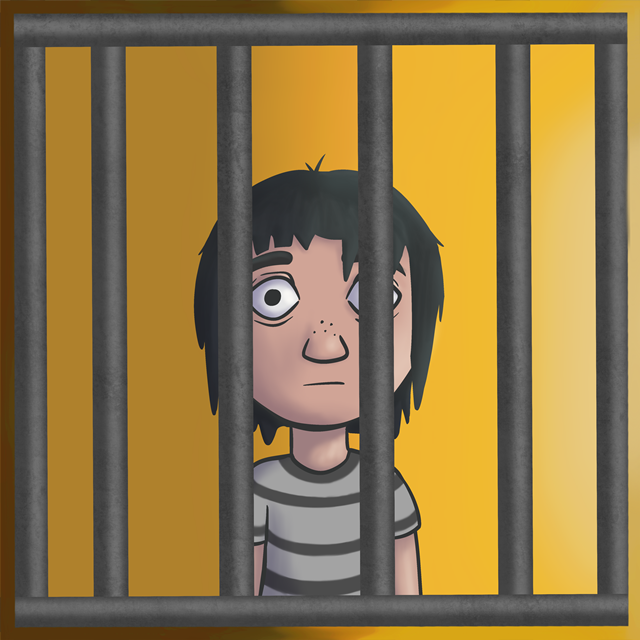
Definition: “Eye Behind Bars” refers to a symbol in which one–eye symbolism is combined with objects associated with confinement or restriction, such as prison bars, fences, cages, grilles, or similar barriers, as well as shapes associated with confinement or restriction, such as squares, rhombuses, cubes, circles, triangles, or similar hollow shapes. Etymology: “Eye” comes from… Continue reading Eye Behind Bars
Category: Language
Existence vs. Non-Existence
Definition: One of the most common objections to this definition of existence is that it is tautological, that is, merely stipulative and therefore said to add no information. The rebuttal is that existence is the core term of the entire conceptual structure of language. It is the only word that cannot be defined by adding… Continue reading Existence vs. Non-Existence
Rose Cross
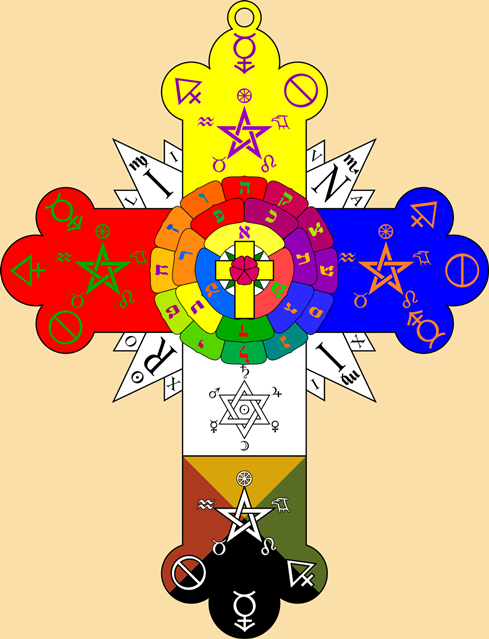
Definition: The “Rose Cross” is a symbolic emblem consisting of a cross with a rose at its center. It represents the union of opposites, most commonly spirit and matter, and serves as a visual synthesis of metaphysical, psychological, and cosmological ideas. It is used in various esoteric traditions as a symbolic map of reality, consciousness,… Continue reading Rose Cross
Energy Drink

Definition: An “energy drink” is a type of beverage formulated to increase mental alertness, physical stamina, and overall energy levels. Etymology: The term “energy drink” came into use in the late 20th century. It blends the word “energy,” which traces back to the Greek “energeia,” meaning “activity, operation, or work“—itself derived from “energos,” meaning “active”… Continue reading Energy Drink
Science
Definition: “Science” is a structured and methodical approach to acquiring knowledge, using observation, experimentation, and reasoning to understand, explain, and predict phenomena—whether in the natural world (as in physics or biology), in human behavior and society (as in sociology or economics), or within abstract systems (as in mathematics or linguistics). It involves creating models, theories,… Continue reading Science
Southern Cross

Definition: The “Southern Cross” refers to a prominent constellation officially known as “Crux.” It is visible in the southern hemisphere and is composed of five stars that form a cross-like shape. Etymology: The name “Southern Cross” is derived from its shape and location. The Latin name “Crux” simply means “cross.” European explorers and navigators named… Continue reading Southern Cross
Sword

Definition: A “sword” is a bladed weapon used primarily for cutting or thrusting. Typically, it consists of a long metal blade attached to a hilt with a guard. Etymology: The word “sword” comes from Old English “sweord,” which is of Germanic origin. It is related to Old High German “swert,” Old Norse “sverð,” and Gothic… Continue reading Sword
Eye and Archery Bow

Definition: The “eye and archery bow” is a symbol that consists of a single eye and an archery bow. Etymology: “Eye” comes from Old English “ēage,” Proto-Germanic “augon,” Proto-Indo-European “okʷ-” (“to see”). “Bow” (in the archery sense) stems from Old English “boga,” meaning “arch” or “bend”, from Proto-Germanic “bugon,” PIE root “bheug-” (“to bend”). Symbolism:… Continue reading Eye and Archery Bow
Paragliding

Definition: “Paragliding” is a recreational and competitive adventure sport where a person flies a lightweight, free-flying, foot-launched glider aircraft with no rigid primary structure. The pilot sits in a harness suspended below a fabric wing comprising a large number of interconnected cells. Unlike parachuting, paragliders take off from hills or mountains by running and inflating… Continue reading Paragliding
Eye and Smile

Definition: The “eye and smile” is a symbol that consists of a single eye and a smile. Etymology: The English word “eye” comes from the Old English “ēage”, which is related to the Proto-Germanic “augō” and the Proto-Indo-European root “okw-“, meaning “to see” or “to look.” The word “smile” comes from the Middle English “smilen”,… Continue reading Eye and Smile
Surfing

Definition: “Surfing” refers to the sport or activity of riding on the forward or deep face of a moving wave, usually on a surfboard. It is often done in the ocean but can also take place on artificial waves or rivers. The term may also be used metaphorically to mean casually browsing or scanning, especially… Continue reading Surfing
Tefillin

Definition: “Tefillin” are small black leather boxes containing Hebrew scriptures, worn by observant Jewish men during weekday morning prayers. One box is bound to the forehead, and the other to the arm, with leather straps wrapping around the arm and hand. Etymology: The word “tefillin” comes from the Hebrew root “פלל” (palal), meaning “to judge”… Continue reading Tefillin
Box of Shame
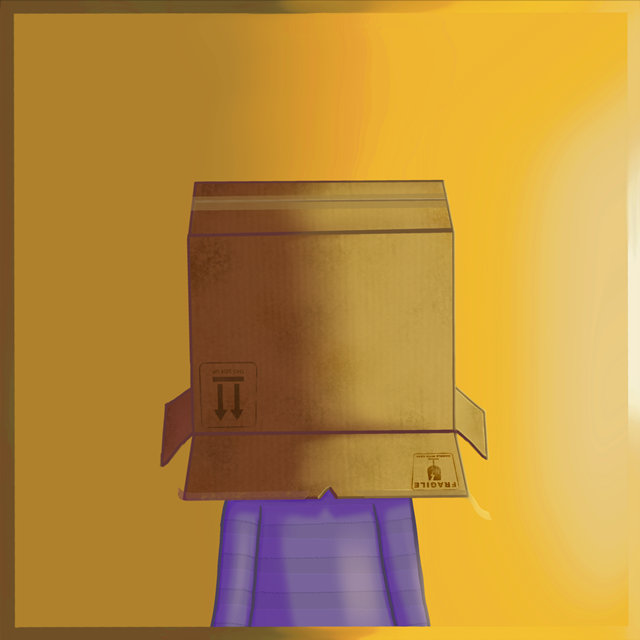
Definition: A “box of shame” is a metaphorical and visual representation of shame, embarrassment, or a desire to hide from judgment, usually by wearing a cardboard box over one‘s head or simply hiding in a cardboard box. Etymology: The word “box” comes from the Latin “buxus,” which originally referred to the boxwood tree, and later… Continue reading Box of Shame
Black Cube

Definition: A “black cube” is a three-dimensional geometric shape with six equal square faces, uniformly colored black. A cube being black primarily serves as a symbol. Etymology: The word “cube” comes from the Latin “cubus,” which originates from the Greek “kybos” (κύβος), meaning a die or a cube-shaped object. The word “black” comes from the… Continue reading Black Cube
Cube

Definition: A “cube” is a three-dimensional geometric figure with six equal square faces, twelve edges, and eight vertices. In mathematics, it is a special type of rectangular prism where all sides are of equal length. Etymology: The word “cube” comes from the Latin “cubus,” which was borrowed from the Ancient Greek “κύβος” (kybos), meaning “a… Continue reading Cube
Kaaba

Definition: The “Kaaba” is a cube-shaped building located in the center of the Masjid al-Haram in Mecca, Saudi Arabia. It is the most sacred site in Islam and serves as the qibla (direction of prayer) for Muslims worldwide. The Kaaba is covered with a black silk and gold curtain known as the kiswah and is… Continue reading Kaaba
UN Flag

Definition: The “UN Flag” is the official flag of the United Nations, which incorporates the official emblem of the United Nations at its center. Etymology: The term “UN Flag” combines the abbreviation “UN,” which stands for United Nations, and the word “flag.” “UN” originates from “United Nations,” an organization established in 1945, with “United” coming… Continue reading UN Flag
Icon
Definition: An “icon” is a symbol, image, or representation that holds significant meaning, often serving as an object of reverence, inspiration, or cultural importance. Etymology: The word “icon” originates from the Greek “eikōn” (εἰκών), which means “image” or “likeness.” It entered Latin as “icon,” maintaining its meaning, and then made its way into Middle English… Continue reading Icon
Dog
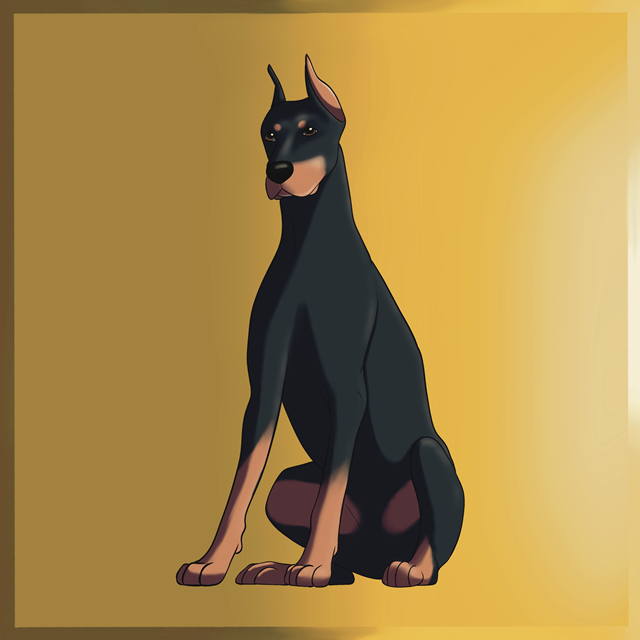
Definition: A “dog” is a domesticated mammal of the species Canis lupus familiaris. Etymology: The word “dog” comes from the Old English “docga,” a term used to describe a powerful breed of dog in medieval times. The precise origins of the word are unclear, but it has been used in the English language since at… Continue reading Dog
Heart-Shaped Leaf

Definition: A “heart-shaped leaf” is a leaf that resembles the shape of the love heart symbol, with a broad, rounded base and a pointed tip. Etymology: The term “heart-shaped” derives from the resemblance of the leaf to the shape of the love heart, which is a universally recognized symbol of love and emotion. Description: Examples… Continue reading Heart-Shaped Leaf
Sheep, Wolves, and Shepherds
Definition: “Sheep, wolves, and shepherds” are often used metaphorically to represent different roles and dynamics within a group or society. Etymology: Sheep: From the Old English “sceap” or “scep.” Wolves: From the Old English “wulf.” Shepherds: From the Old English “sceaphierde,” combining “sceap” (sheep) and “hierde” (herder). Description: In the Bible, sheep often represent the… Continue reading Sheep, Wolves, and Shepherds
A Wolf Howling in Front of a Full Moon
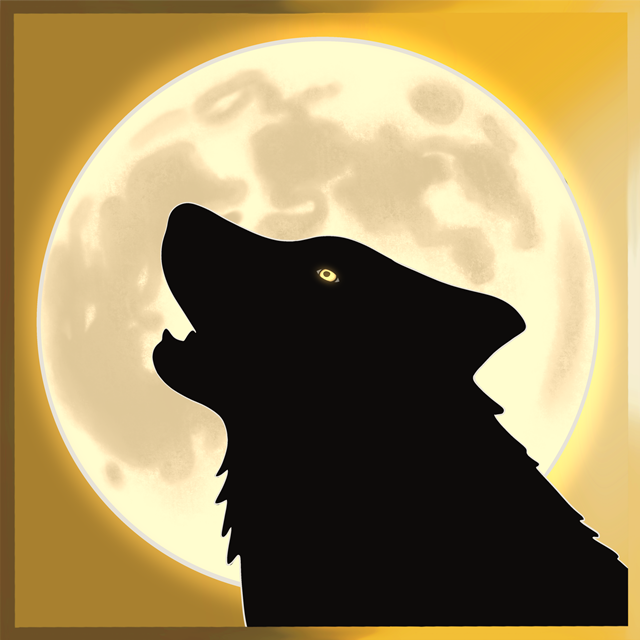
Definition: The image of “a wolf howling in front of a full moon” is an Illuminati symbol. Description: The idea that wolves howl more during a full moon is a popular myth, but there is no evidence to support this. Wolves howl for various reasons, such as to communicate with other members of their pack,… Continue reading A Wolf Howling in Front of a Full Moon
Wolf
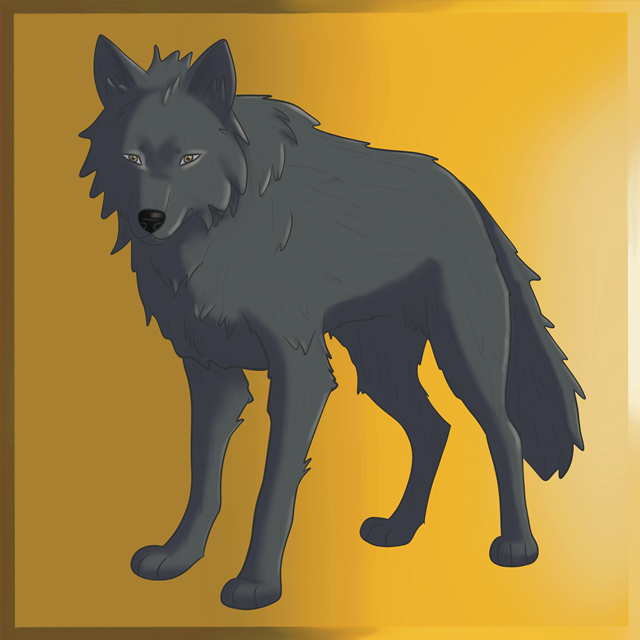
Definition: A “wolf” is a large carnivorous mammal belonging to the Canidae family, specifically the species Canis lupus. Wolves are known for their keen hunting skills, social structure, and adaptability. They are native to wilderness and remote areas of Eurasia and North America. Etymology: The word “wolf” comes from the Old English “wulf,” which is… Continue reading Wolf
Uniform
Definition: A “uniform” is a distinctive set of clothing worn by members of an organization, profession, or group, typically to denote their membership, role, or rank. Uniforms help create a sense of identity, unity, and order within the group and are commonly used in schools, military, police, healthcare, and various other professions. Etymology: The word… Continue reading Uniform
Sheep
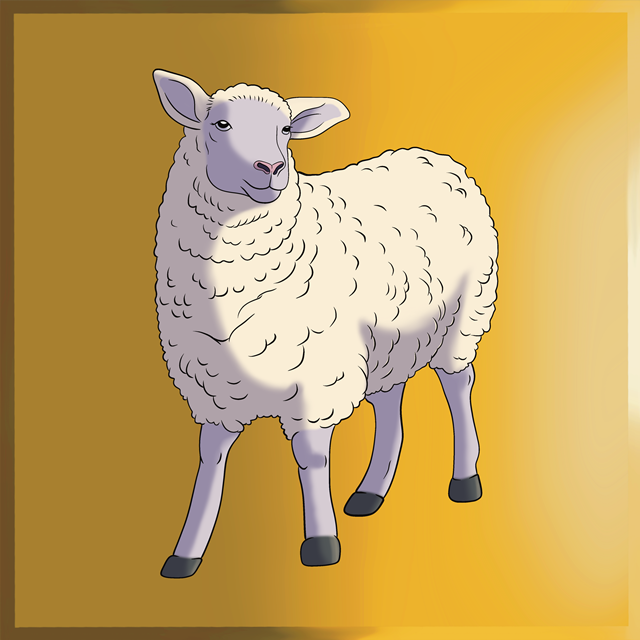
Definition: “Sheep” are domesticated ruminant mammals of the species Ovis aries, raised for their wool, meat (lamb and mutton), and milk. They are one of the earliest animals to be domesticated and have played a significant role in agriculture and human culture for thousands of years. Etymology: The word “sheep” comes from the Old English… Continue reading Sheep
Krill
Definition: “Krill” are small, shrimp-like marine crustaceans of the order Euphausiacea. They are found in all the world’s oceans and play a crucial role in the aquatic food web, serving as a primary food source for many larger marine animals such as whales, seals, penguins, and fish. Etymology: The word “krill” comes from the Norwegian… Continue reading Krill
Headwear
Definition: “Headwear” refers to any covering, decoration, or accessory worn on the head. It includes a wide range of items used for various purposes, such as protection, fashion, cultural or religious significance, and occupational roles. Etymology: The term “headwear” is derived from the combination of “head,” referring to the upper part of the human body,… Continue reading Headwear
Beehive

Definition: A “beehive” is a structure created by bees or provided by humans for bees to live in. It serves as a habitat for the colony, facilitating the production of honey, beeswax, and the rearing of young bees. In nature, beehives are often found in hollow trees or rock crevices, while human-made beehives, also known… Continue reading Beehive
Bee
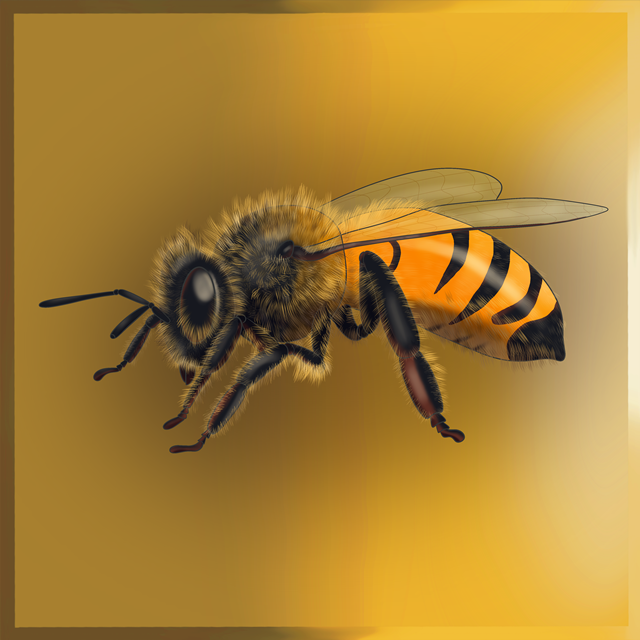
Definition: A “bee” is a flying insect belonging to the superfamily Apoidea, known for its role in pollination and, in the case of the best-known species, the European honeybee, for producing honey and beeswax. Etymology: The word “bee” comes from the Old English “bēo,” which is derived from the Proto-Germanic “bion” and the Proto-Indo-European “bhei,”… Continue reading Bee
Anthill

Definition: An “anthill” is a mound-like structure built by ants, consisting of soil, sand, or other materials, which serves as the entrance and ventilation system to their underground colony. It provides protection and a habitat for the ant colony, which includes chambers and tunnels where the ants live, work, and store food. Etymology: The term… Continue reading Anthill
Ant Mill

Click to watch the video. Definition: An “ant mill,” also known as a “death spiral,” or “death circle,” is a phenomenon where a group of army ants (usually from the genus Eciton) become separated from their main foraging trail and begin to follow each other in a continuous, circular motion. This behavior can lead to… Continue reading Ant Mill
Ant
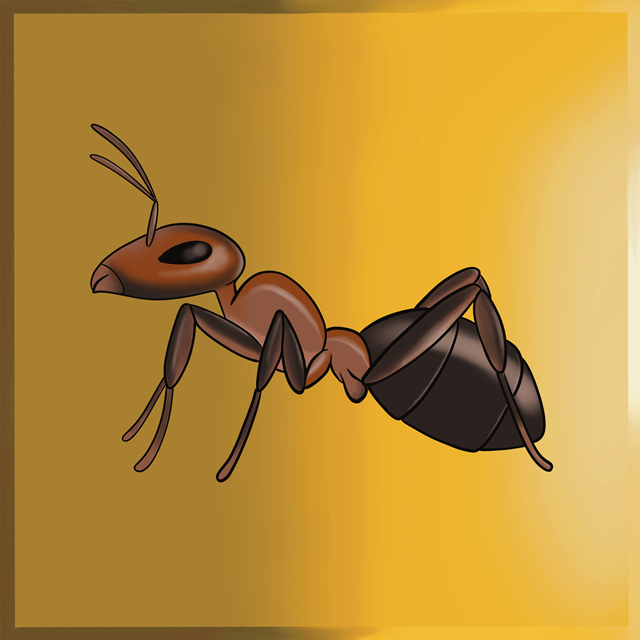
Definition: An “ant” is a small, social insect belonging to the family Formicidae, known for its complex social structures, cooperative behavior, and ability to build intricate nests. Etymology: The word “ant” comes from the Old English “æmette,” which is derived from the Germanic root “ēmaitijǭ,” meaning “the biter” or “the cutter.” This etymology reflects the… Continue reading Ant
Densely Packed Living
Definition: “Densely packed living” refers to residential environments where a large number of people live in a relatively small geographic area, with little space between households. This typically involves high population density and can be seen in urban centers, high-rise apartment buildings, and other compact housing arrangements. Etymology: The term “densely packed” combines “dense,” from… Continue reading Densely Packed Living
Traffic
Definition: “Traffic” refers to the movement of vehicles, pedestrians, and animals along roads, streets, and pathways. It includes the flow of cars, trucks, bicycles, and other modes of transportation, as well as the regulations and infrastructure designed to manage and control this movement. Etymology: The word “traffic” comes from the Old Italian word “traffico,” which… Continue reading Traffic
St. John’s Bonfire
Definition: The “St. John’s Bonfire,” also known as “St. John’s Eve Bonfire” or “Midsummer Bonfire,” is a large bonfire traditionally lit on the evening of June 23rd, the eve of St. John the Baptist’s feast day. Etymology: The name “St. John’s Bonfire” derives from St. John the Baptist, whose feast day is celebrated on June… Continue reading St. John’s Bonfire
Piece of Cake
Definition: “Piece of cake” is an idiomatic expression in English that means something is very easy to do. When someone says a task was “a piece of cake,” they are indicating that it was simple or straightforward, requiring little effort. Etymology: The origin of the phrase “piece of cake” is somewhat unclear, but it is… Continue reading Piece of Cake
Wedding Cake

Definition: A “wedding cake” is a special cake served at a wedding reception following the wedding ceremony. It is often multi-tiered, elaborately decorated, and designed to reflect the couple’s tastes and the wedding’s theme. Etymology: The term “wedding cake” is derived from the combination of “wedding,” denoting the ceremony where two people are united in… Continue reading Wedding Cake
Cake
Definition: A “cake” is a sweet baked dessert, typically made from flour, sugar, eggs, and butter or oil, with a variety of flavorings and fillings. Cakes are often decorated with icing, frosting, or other embellishments. Etymology: The word “cake” comes from the Old Norse word “kaka,” which referred to a baked flour confection. This term… Continue reading Cake
Birthday Cake
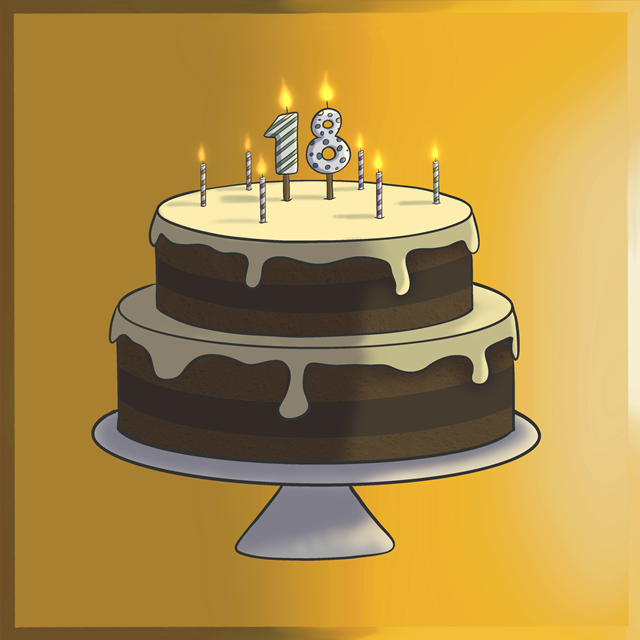
Definition: A “birthday cake” is a cake served as part of a birthday celebration. Etymology: The term “birthday cake” comes from the combination of “birthday,” marking the anniversary of someone’s birth, and “cake,” which is derived from the Old Norse word “kaka,” meaning a baked confection. Description: Traditionally, a birthday cake is decorated with candles… Continue reading Birthday Cake
Human Formation
Definition: “Human formation” refers to the deliberate and organized arrangement of people into a specific shape or pattern. Etymology: The term “human formation” combines “human,” derived from the Latin “humanus,” meaning “of or belonging to people,” and “formation,” from the Latin “formatio,” meaning “a shaping or structuring.” Description: Human formations are often for purposes such… Continue reading Human Formation
Formation Around a Fire
Definition: A “formation around a fire” refers to a group of people or objects arranged in an organized pattern around a central fire. Etymology: The term “formation” comes from the Latin “formatio,” meaning a structured arrangement, while “around a fire” specifies the central positioning of the fire within the formation. Description: Formation around a fire… Continue reading Formation Around a Fire
Party Horn
Definition: A “party horn” is a noise-making device commonly used at celebrations and festive events. It typically consists of a paper tube that unrolls and makes a sound when blown into, producing a horn-like noise. Etymology: The term “party horn” combines “party,” which comes from the Old French “partie,” meaning a social gathering or celebration,… Continue reading Party Horn
Fireworks
Definition: “Fireworks” are a type of explosive pyrotechnic device used for aesthetic and entertainment purposes. They produce a variety of effects such as bright lights, loud noises, and colorful displays, commonly used during celebrations, festivals, and significant events. Etymology: The term “fireworks” comes from the Old English word “fyr,” meaning “fire,” and the Middle English… Continue reading Fireworks
Tower Cake
Definition: A “kransekake,” meaning “wreath cake”, also known as a “tower cake,” is a Danish and Norwegian traditional cake made of almonds, sugar, and egg whites. Etymology: The term “tower cake” combines “tower,” from the Old English “tor,” meaning a tall structure, and “cake,” from the Old Norse “kaka,” meaning a baked sweet. The term… Continue reading Tower Cake
Maypole
Definition: A “maypole” is a tall wooden pole, often decorated with ribbons, flowers, and other ornaments, or made to resemble the Christian Cross, that serves as the focal point for traditional May Day and Midsummer celebrations. Etymology: The term “maypole” derives from “May,” the month associated with springtime festivals, and “pole,” from the Old English… Continue reading Maypole
Flower Crown
Definition: A “flower crown” is a circular arrangement of flowers, leaves, and sometimes other decorative elements worn on the head. Etymology: The term “flower crown” combines “flower,” from the Old French “flur,” meaning bloom or blossom, and “crown,” from the Old French “corone,” meaning a circular headdress. Description: It is often used as an accessory… Continue reading Flower Crown
Bonfire, Campfire and Pyre

Definition: A “bonfire,” or “campfire,” is a controlled outdoor fire. A “pyre” is a structure, usually made of wood, for burning a body as part of a funeral rite or execution. A “witch pyre” refers to a pyre specifically constructed for the execution of individuals accused of witchcraft. Etymology: The term “campfire” combines “camp,” from… Continue reading Bonfire, Campfire and Pyre
Easter Decoration
Definition: “Easter decorations” refer to the various items and ornaments used to celebrate and symbolize the Easter holiday. Etymology: The word “Easter” comes from the Old English “Ēastre” or “Ēostre,” which is derived from the name of a pagan spring festival celebrating renewal and rebirth. The word “decoration” comes from the Latin “decorare,” meaning “to… Continue reading Easter Decoration
Easter Egg
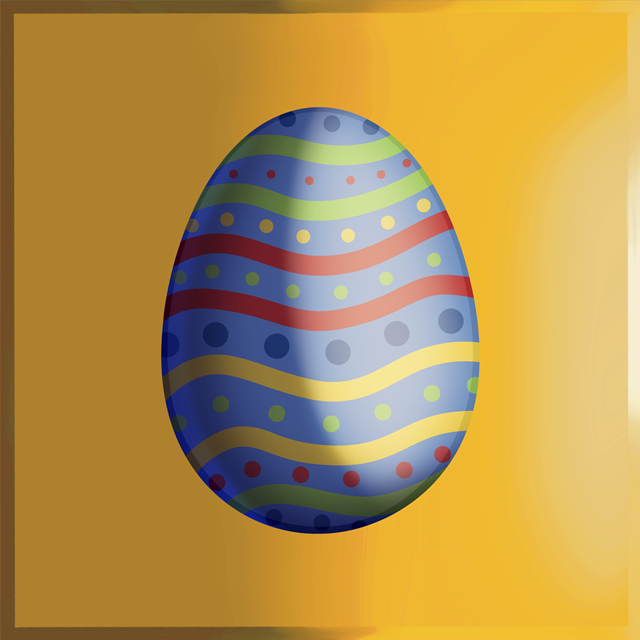
Definition: “Easter eggs,” or “Paschal eggs,” are decorative eggs that are often given as gifts, used in hunts, or served as part of Easter celebrations. They can be real eggs dyed and decorated, chocolate eggs, or plastic eggs filled with treats. Etymology: The term “Easter egg” combines “Easter,” the Christian holiday celebrating the resurrection of… Continue reading Easter Egg
Easter Chicken
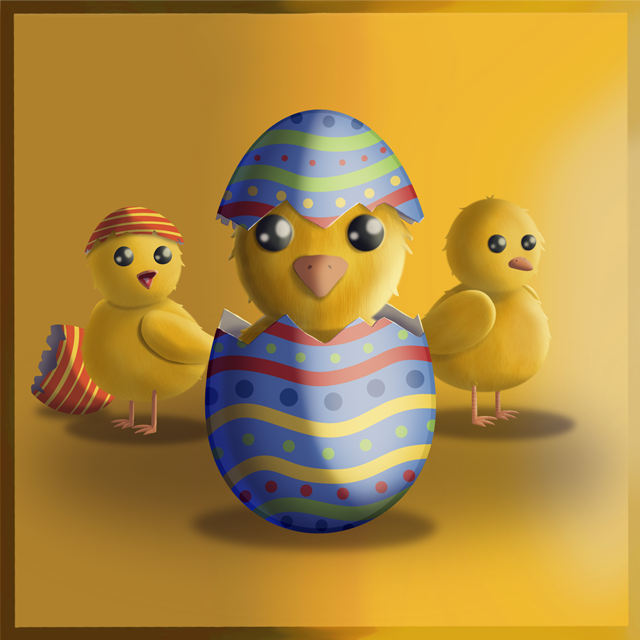
Definition: The “Easter chicken,” often referred to as the “Easter chick,” is a symbol associated with the Easter holiday. Etymology: The term “Easter chicken” or “Easter chick” combines “Easter,” the Christian holiday celebrating the resurrection of Jesus Christ, and “chicken” or “chick,” referring to the young bird that hatches from an egg. Description: Easter chicks… Continue reading Easter Chicken
Easter Candle
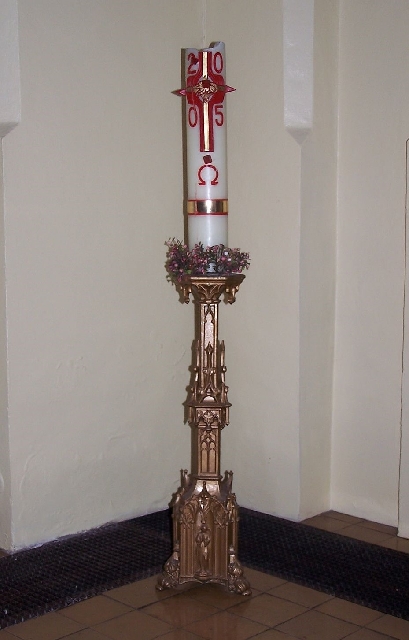
Definition: The “Easter candle,” also known as the “Pascal candle,” is a large, white candle used in liturgical celebrations in many Christian denominations, particularly during the Easter season, but also during baptisms and funerals. Etymology: The term “Paschal” comes from the Hebrew word “Pesach,” meaning Passover, which in Christian tradition has come to be associated… Continue reading Easter Candle
Easter Bunny
Definition: The “Easter Bunny” is a fictional character and symbol of Easter, depicted as a rabbit that brings Easter eggs to children. It is a beloved character in many Western cultures, often involved in Easter egg hunts and other holiday traditions. Etymology: The term “Easter Bunny” combines “Easter,” the Christian holiday celebrating the resurrection of… Continue reading Easter Bunny
Mistletoe
Definition: “Mistletoe” is a parasitic plant that grows on the branches or trunks of trees. It is known for its small, white berries and green, leathery leaves. Etymology: The word “mistletoe” comes from the Old English “misteltān,” which is derived from “mistel” (meaning “dung”) and “tān” (meaning “twig”). The name reflects the plant’s seed dispersal… Continue reading Mistletoe
Christmas Gift

Definition: A “Christmas gift” is a present given during the Christmas season to celebrate the holiday, express love and gratitude, and share joy with others. Etymology: The term “Christmas” comes from Old English “Cristes mæsse,” meaning “Christ’s Mass,” and “gift” comes from Old English “gift,” meaning “something given.” The English word “gift” and the German… Continue reading Christmas Gift
Advent Candelabra
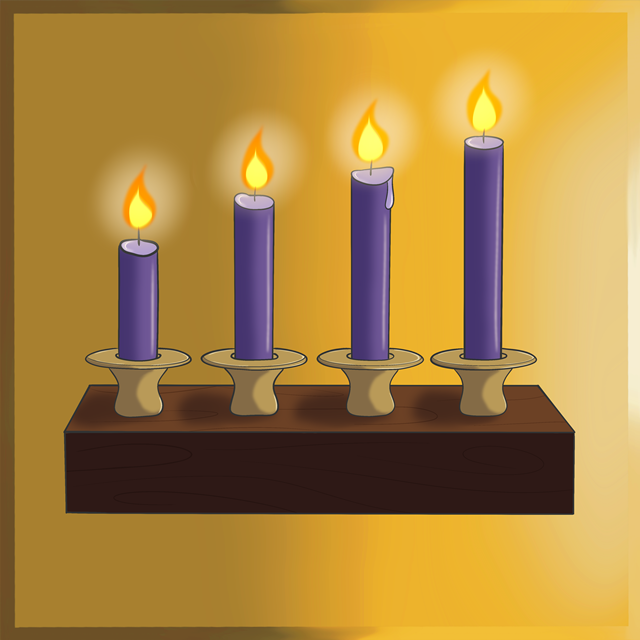
Definition: An “Advent candelabra,” or “Advent wreath” is a traditional Christian symbol used during the season of Advent to prepare for the coming of Christ at Christmas. Etymology: The word “Advent” comes from the Latin “adventus,” meaning “coming” or “arrival,” referring to the coming of Christ. “Candelabra” is derived from the Latin word “candelabrum,” meaning… Continue reading Advent Candelabra
Santa Claus
Definition: “Santa Claus” is a legendary fictional character associated with Christmas, known for delivering gifts to children around the world on Christmas Eve. Etymology: The name “Santa Claus” is derived from the Dutch name “Sinterklaas,” which in turn is a shortening of “Sint Nicolaas,” meaning Saint Nicholas. Description: Santa Claus is often depicted as a… Continue reading Santa Claus
Christmas Decoration
Definition: “Christmas decorations” are symbols, such as ornaments, lights, and other items used to adorn homes, public spaces, and sometimes people, during the Christmas season. Etymology: The word “Christmas” comes from Old English “Cristes mæsse,” meaning “Christ’s Mass,” and “decoration” from the Latin “decorare,” meaning “to adorn.” Description: Most people who celebrate Christmas use decorations… Continue reading Christmas Decoration
The World Tree

Oluf Olufsen Bagge – Yggdrasil, The Mundane Tree (1847). “The World Tree” is illustrated as a massive tree holding up the world with its three branches. The world is inside a glass sphere, known as the firmament, which is viewed as a dome when seen from the world, symbolizing the prison of fantasy that is… Continue reading The World Tree
Triangle

Definition: A “triangle” is a geometric figure consisting of three lines that meet at three corners, also called angles or vertices. The sum of the three angles in a triangle is always 180 degrees whether the triangle is planar or if one of the angles in the triangle points outward. Etymology: The word “triangle” comes… Continue reading Triangle
Tree

Definition: A “tree” is a large perennial plant that typically has a trunk supporting branches and leaves. Etymology: The word “tree” comes from the Old English “trēow,” which is related to the Old Norse “tré” and the Gothic “triu,” all meaning “tree” or “wood.” Description: Tree species vary in size, shape, foliage, and reproductive methods.… Continue reading Tree
The Tree of the Knowledge of Good and Evil

Peter Paul Rubens – The Fall of Man (1628-1629). Charles Joseph Natoire – The Rebuke of Adam and Eve (1740). Definition: “The Tree of the Knowledge of Good and Evil,” also known as simply “the Tree of Knowledge,” is a fictional concept originating from the Torah (the Old Testament in the Bible), specifically from the… Continue reading The Tree of the Knowledge of Good and Evil
The Tree of Life

Definition: “The Tree of Life” is a fictional concept and typically refers to a symbolic tree in various religions. Etymology: The term “Tree of Life” comes from the concept of a tree that provides sustenance, life, and wisdom. It has been used in various languages and cultures to denote a tree that stands at the… Continue reading The Tree of Life
Cosmic Mountain
Definition: A “cosmic mountain” is a symbolic and mythological representation of a sacred or significant mountain that connects the heavens and the earth. It is seen as a central axis of the world, serving as a bridge between the divine and the mortal realms. Etymology: The term “cosmic” derives from the Greek “kosmikos,” meaning “of… Continue reading Cosmic Mountain
Monogram
Definition: A “monogram” is a motif made by overlapping or combining two or more letters to form one symbol. These letters are usually the initials of a name, and monograms are often used as a decorative or identifying mark. Etymology: The term “monogram” comes from the Greek words “monos,” meaning “single” or “alone,” and “gramma,”… Continue reading Monogram
Motif
Definition: A “motif” is a recurring element, theme, or idea in a work of art, literature, music, or design. It can be a distinctive pattern, symbol, or concept that helps to develop and inform the overall narrative or aesthetic. Etymology: The word “motif” comes from the French word “motif,” meaning “pattern” or “theme.” The term… Continue reading Motif
Stairs
Definition: “Stairs” is a structure consisting of a series of steps arranged in an incline. Typically used for ascending or descending between different levels in a building or outdoor area. Etymology: The term “stair” originates from Middle English “steyer,” which evolved from Old English “stæger” or “stæger,” ultimately derived from the Proto-Germanic “staigiz,” meaning “to… Continue reading Stairs
Spiderweb
Definition: A “spiderweb” (or “cobweb”) are networks of thin threads of silk spun by spiders to capture prey. Etymology: The word “spiderweb” comes from the Old English “spider” and “web,” where “web” means a woven fabric or a network. The term “cobweb” derives from the Middle English “coppe,” meaning spider. Description: Spiderwebs serve various purposes,… Continue reading Spiderweb
Pyramid
Definition: A “pyramid” is a geometric shape with a polygonal base and triangular sides meeting at a single apex. Etymology: The term “pyramid” originates from the Greek word “pyramis,” meaning “wheat cake,” “corn bread” or “loaf of bread.” This term was used to describe the shape of the large Egyptian pyramids, which the ancient Greeks… Continue reading Pyramid
Mountain

Definition: A “mountain” is a large natural elevation of the earth’s surface that rises steeply from the surrounding level. Mountains are formed through geological processes such as plate tectonics, volcanic activity, or erosion over long periods of time. Etymology: The word “mountain” comes from the Middle English “mountain,” which derives from the Old French “montaigne,”… Continue reading Mountain
Ladder
Definition: A “ladder” is a device or tool used to climb up or down heights. It typically consists of a series of horizontal rungs attached to two longer vertical side beams. Etymology: The word “ladder” comes from the Old English “hlæder,” derived from the Proto-Germanic “hlaidri,” which means a series of steps or rungs. The… Continue reading Ladder
Crown
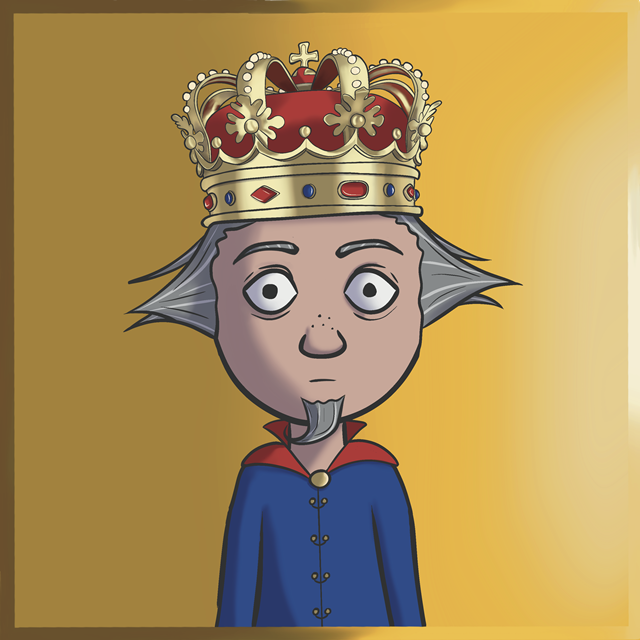
Definition: A “crown” is a ceremonial headpiece worn by royalty or deities as a symbol of authority, power, and legitimacy. Crowns are typically ornate, made of precious metals and jewels, and are used in various cultural and religious ceremonies. Etymology: The word “crown” comes from the Latin “corona,” meaning “wreath” or “garland.” The term evolved… Continue reading Crown
Santa Hat
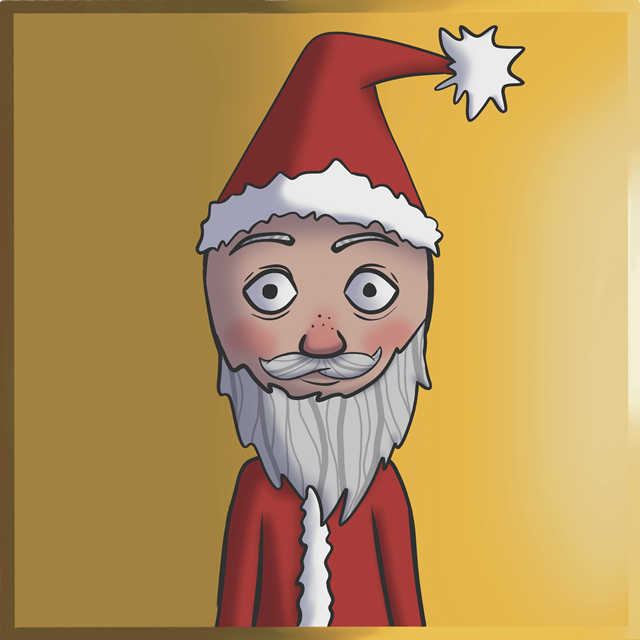
Definition: A “Santa hat” is a festive piece of headwear typically worn during the Christmas season. Etymology: The term “Santa hat” is derived from “Santa Claus,” the popular figure associated with Christmas, combined with “hat,” from the Old English “hætt,” meaning a head covering. Symbolism: The Santa hat symbolizes Christmas. It is closely associated with… Continue reading Santa Hat
Butt Plug
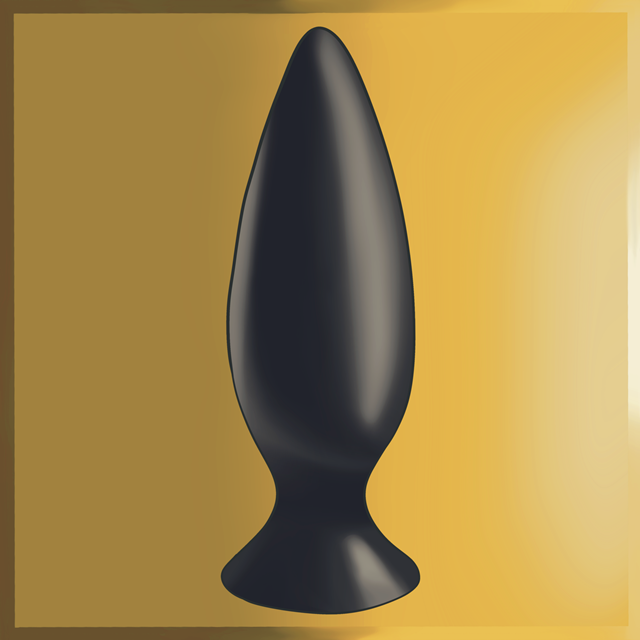
Definition: A “butt plug” is a type of sex toy designed to be inserted into the rectum for sexual pleasure, stimulation, or training. Etymology: The term “butt plug” combines “butt,” a colloquial term for the buttocks or anus, and “plug,” which refers to something used to stop or fill a hole or cavity. Description: Butt… Continue reading Butt Plug
Strawberry

Definition: A “strawberry” is a small, red fruit known for its sweet flavor and characteristic aroma. It is technically an aggregate accessory fruit, meaning that the fleshy part is derived not from the plant’s ovaries but from the receptacle that holds the ovaries. Etymology: The word “strawberry” comes from the Old English “streawberige.” The origin… Continue reading Strawberry
Conical Shell
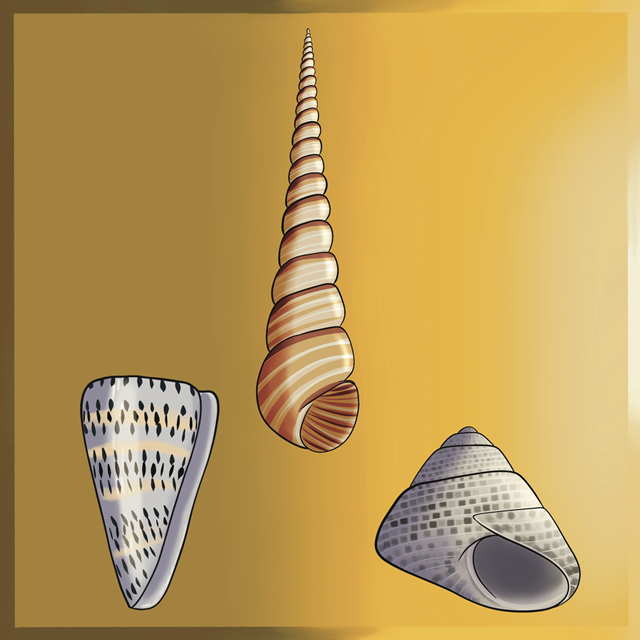
Definition: A “conical shell” refers to a type of seashell that has a conical shape. Etymology: The term “conical” comes from the Greek “konikos,” meaning cone-shaped. “Shell” derives from the Old English “scealu,” meaning a husk or covering. Together, “conical shell” describes a shell with a shape resembling a cone. Symbolism: Shells symbolize protection, strength,… Continue reading Conical Shell
Caduceus

Definition: The “caduceus” is a symbol traditionally associated with Hermes (Mercury in Roman mythology), the Greek god of messengers, commerce, and trade. It features a short staff entwined by two serpents, sometimes topped with a pair of wings. Etymology: The term “caduceus” comes from the Latin “caduceus,” derived from the Greek “kērykeion,” meaning “herald’s staff.”… Continue reading Caduceus
Staff of Asclepius
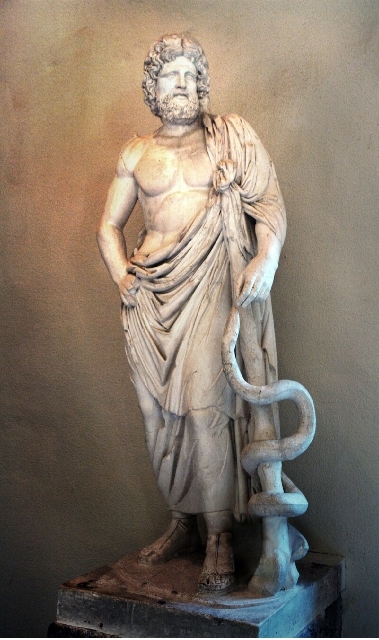
Definition: The “Staff of Asclepius”, also known as “Rod of Asclepius,” is a symbol associated with medicine and healthcare. It consists of a single serpent entwined around a rod. Etymology: The staff is named after Asclepius, the ancient Greek god of medicine and healing. The word “staff” comes from the Old English “stæf,” meaning a… Continue reading Staff of Asclepius
Papal Ferula

Definition: A “papal ferula” is a ceremonial staff carried by the Pope. Etymology: The term “ferula” comes from the Latin word “ferula,” meaning “rod” or “staff.” It has historically been used to refer to a staff or scepter carried as a symbol of authority. Description: The papal ferula traditionally features a simple, cross-bearing design. Recent… Continue reading Papal Ferula
Thyrsus
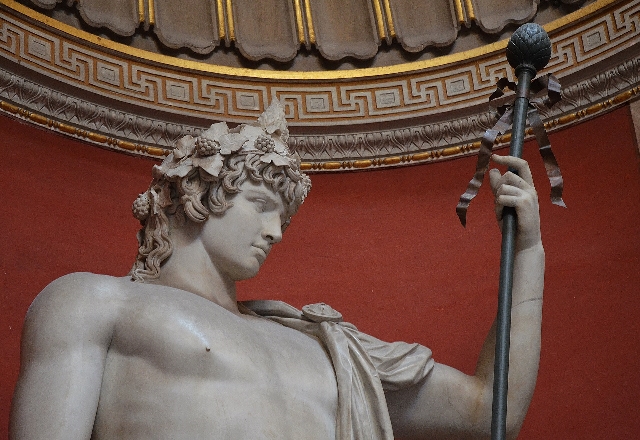
Definition: A “thyrsus” is a staff or wand entwined with ivy and topped with a pine cone, associated with Dionysus (Bacchus), the Greek (and Roman) god of wine, fertility, and revelry. Etymology: The term “thyrsus” comes from the Greek word “thyrsos,” which means a stalk or stem. The word was adopted into Latin as “thyrsus”… Continue reading Thyrsus
Pine Cone

Definition: “Pine cones,” also known as “conifer cones,” are seed-bearing structures produced by pine trees. Etymology: The term “pine cone” comes from the Old English “pīn,” meaning “pine tree,” and “cone,” from the Latin “conus,” meaning “cone-shaped.” The name reflects the cone-like shape of these structures. Description: There are two main types of pine cones:… Continue reading Pine Cone
Tornado
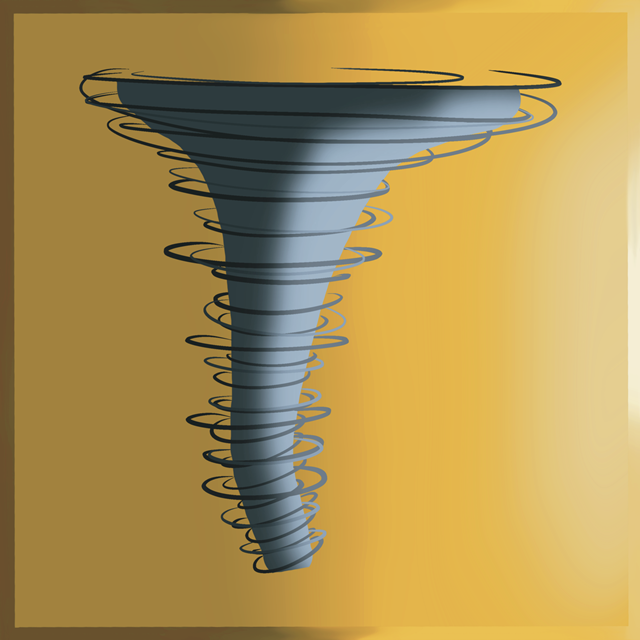
Definition: A “tornado” is a rapidly rotating column of air that extends from a thunderstorm to the ground. It is characterized by its funnel shape and intense winds, which can cause significant damage to anything in its path. Etymology: The word “tornado” comes from the Spanish word “tornar,” meaning “to turn.” This reflects the swirling,… Continue reading Tornado
Volcano
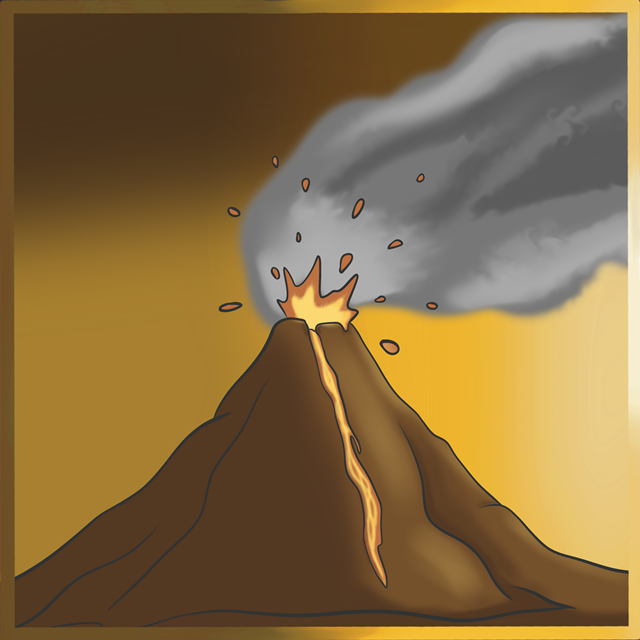
Definition: A “volcano” is a geological formation, typically a mountain, where molten rock (magma), ash, and gases from the Earth’s interior erupt through the Earth’s crust. Etymology: The word “volcano” comes from the name of Vulcano Island in the Mediterranean Sea, which itself was named after Vulcan, the Roman god of fire and metalworking. The… Continue reading Volcano
Conical Topiary Tree
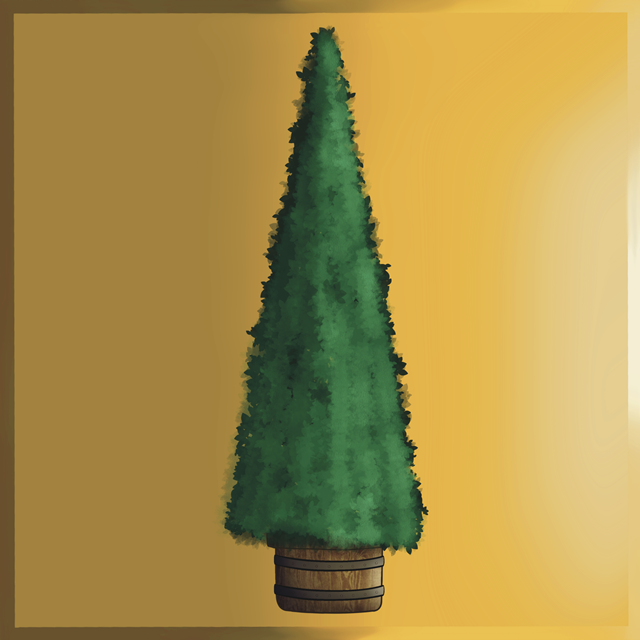
Definition: A “conical topiary tree” is a tree or shrub that has been pruned and shaped into a cone form. Etymology: The term “topiary” comes from the Latin “topiarius,” meaning “ornamental gardener.” “Conical” describes a cone shape, derived from the Latin “conicus” and Greek “kōnos.” Thus, a conical topiary tree is a plant sculpted into… Continue reading Conical Topiary Tree
Christmas Tree

Definition: A “Christmas tree” is an evergreen tree, often a fir, spruce, or pine, decorated with lights, ornaments, tinsel, and other Christmas decorations. Etymology: The term “Christmas tree” combines “Christmas,” which comes from the Old English “Cristes mæsse,” meaning “Christ’s Mass,” and “tree,” from the Old English “trēow,” meaning a large plant with a trunk… Continue reading Christmas Tree
Megaphone

Definition: A “megaphone” is a device used to amplify sound. Etymology: The word “megaphone” comes from the Greek words “mega” (meaning “great” or “large”) and “phone” (meaning “voice” or “sound”). The term reflects the device’s purpose of amplifying sound. Description: The old-fashioned megaphone is just a cone with openings, where you input sound into the… Continue reading Megaphone
Ku Klux Klan’s Hood
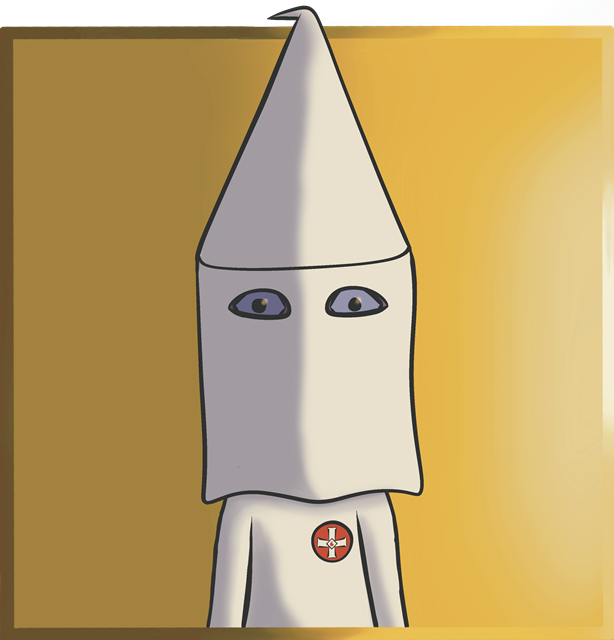
Definition: Ku Klux Klan’s white hood is a symbol associated with the Ku Klux Klan, a white supremacist hate group in the United States of America. Etymology: The Ku Klux Klan takes its name from the Greek word “kuklos,” meaning “circle,” and the English word “clan,” reflecting the group’s vision of unity and brotherhood among… Continue reading Ku Klux Klan’s Hood
Dunce Cap
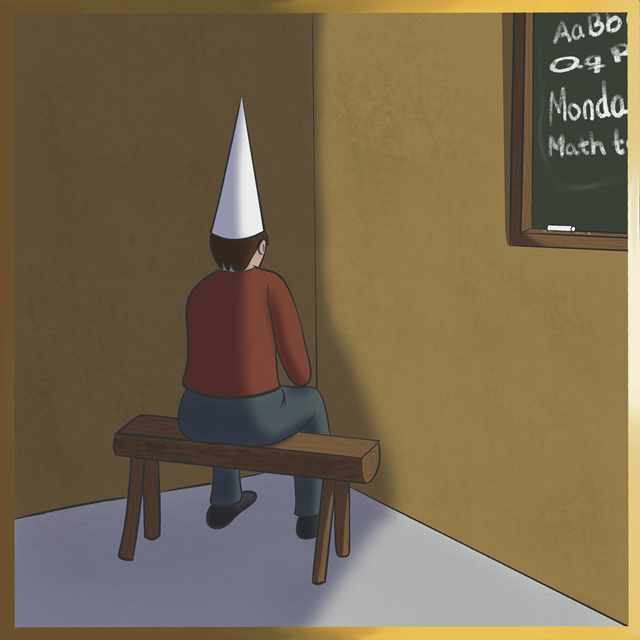
Definition: A “dunce cap” is a tall conical hat historically used as a form of punishment in schools. Etymology: The term “dunce” originates from the name of John Duns Scotus, a medieval Scottish scholar. His followers, known as Dunsmen or Dunses, were known for their resistance to new ideas in the Renaissance period, leading the… Continue reading Dunce Cap
Witch’s Hat
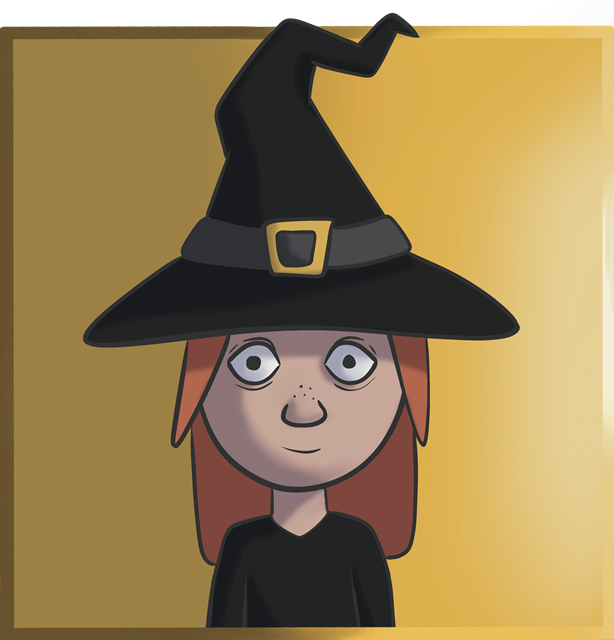
Definition: A “witch’s hat” is a hat worn by a witch. It’s typically a tall pointed, cone-shaped black hat with a wide brim. Etymology: The term “witch” comes from the Old English “wicce” (feminine) or “wicca” (masculine), which means a person who practices sorcery or magic. The word “hat” comes from the Old English “hætt,”… Continue reading Witch’s Hat
Wizard’s Hat
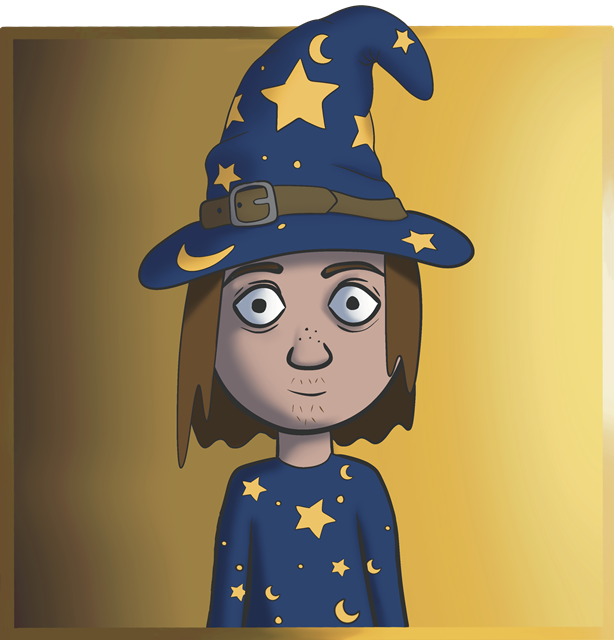
Definition: A “wizard’s hat” is a hat worn by a wizard. It’s typically a tall pointed, cone-shaped hat with a wide brim, adorned with stars, moons, or other mystical symbols. Etymology: The term “wizard” comes from the Middle English “wysard,” which means “wise man,” derived from the Old English “wis” meaning “wise.” “Hat” comes from… Continue reading Wizard’s Hat
Party Hat
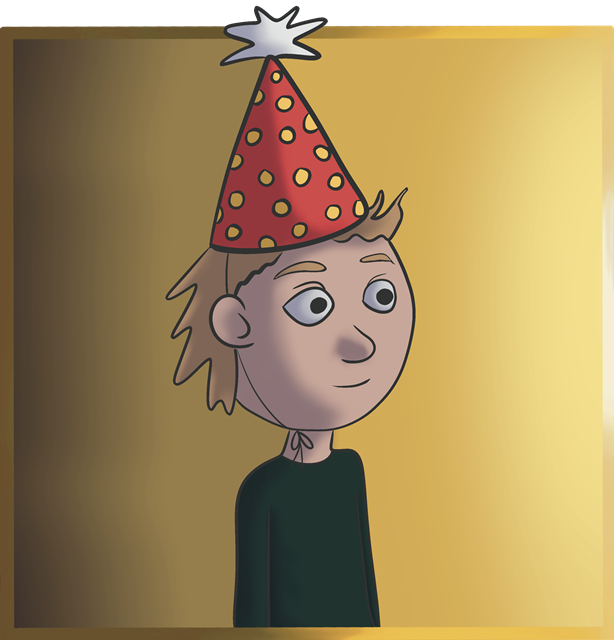
Definition: A “party hat” is a festive accessory typically worn at celebrations such as birthdays, New Year Transition, and other joyous events. Etymology: The term “party hat” combines “party,” which comes from the Old French “partie” meaning “a division or part” and evolved to refer to social gatherings, and “hat,” from the Old English “hætt,”… Continue reading Party Hat
Cone
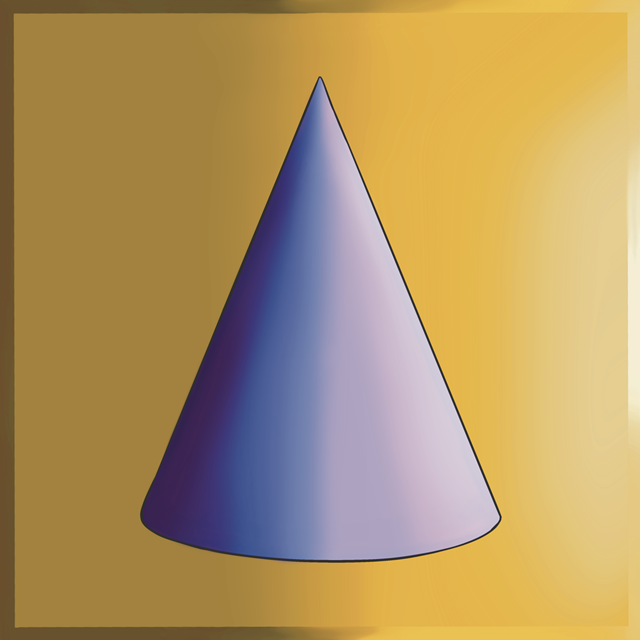
Definition: A “cone” is a geometric figure with a circular base that tapers evenly to a single point, called the apex. Etymology: The word “cone” originates from the Latin word “conus,” which itself comes from the Greek word “kōnos,” meaning “pine cone” or “cone-shaped object.” This term was later adopted into Old French as “coigne”… Continue reading Cone
Ice Cream Cone

Definition: An “ice cream cone” is a conical-shaped edible container typically made from a crispy baked or molded material, such as waffle, wafer, or sugar cone. An ice cream cone can refer to both the cone itself and the ice cream it contains. Etymology: “Ice cream cone” traces back to the combination of “ice cream”… Continue reading Ice Cream Cone
Traffic Cone
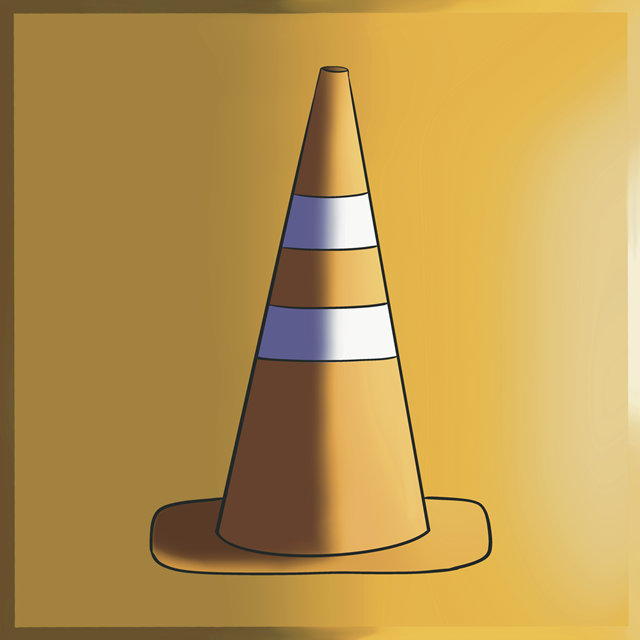
Definition: A “traffic cone” is a brightly colored, conical-shaped safety device used to delineate traffic lanes or to redirect vehicles and pedestrians in a controlled manner. Etymology: The term “traffic cone” likely originates from the use of these devices in managing vehicular traffic. “Traffic” refers to the movement of vehicles on roads or streets, while… Continue reading Traffic Cone
Trigger Word
Definition: A “trigger word” is a term or phrase that elicits a strong emotional response due to its association with traumatic experiences, sensitive topics, or significant personal meaning. Etymology: The term “trigger” in this context comes from the idea of “triggering” a reaction, similar to how pulling the trigger of a gun causes it to… Continue reading Trigger Word
Synonyms, Antonyms, and Autoantonyms
Definition: “Synonyms” are symbols that have exactly precisely accurately identical meaning. “Antonym” is a word that has the opposite meaning of another word. An “autoantonym,” also known as “contronym” or “Janus word,” is a word that has two opposite meanings. In other words; autoantonyms are words that act as their own autoantonym. Etymology: The word… Continue reading Synonyms, Antonyms, and Autoantonyms
Slogan
Definition: A “slogan” is a short, memorable phrase or motto used to capture the essence of a brand, idea, campaign, or movement. Slogans are designed to be catchy and easy to remember, often encapsulating the values or objectives of the entity they represent. Etymology: The term “slogan” comes from the Scottish Gaelic word “sluagh-ghairm,” which… Continue reading Slogan
Sacred Word
Definition: A “sacred word” is a term or phrase considered holy, revered, and imbued with deep meaning, by religious people, often used in rituals, prayers, or sacred texts. Etymology: The term “sacred” comes from the Latin word “sacer,” meaning “holy” or “consecrated.” When combined with “word,” it refers to language that is set apart for… Continue reading Sacred Word
Pun
Definition: A “pun” is a form of wordplay that exploits multiple meanings of a term or similar-sounding words for humorous or rhetorical effect. Etymology: The term “pun” likely comes from the Italian word “puntiglio,” meaning “a fine point” or “quibble,” which itself derives from Latin “punctum,” meaning “point.” It has been used in English since… Continue reading Pun
Proverb
Definition: A “proverb” is a short, commonly known saying that intend to express a general truth, piece of advice, or moral lesson. Proverbs are often metaphorical and use simple, vivid language to convey wisdom and cultural values. The language in proverbs is often nonsensical and unintelligible without explanation. Etymology: The term “proverb” comes from the… Continue reading Proverb
Plusword and Minusword
Definition: “Pluswords” are words that refer to existence. “Zerowords” are words that refer to non-existence. “Minuswords” are words that have an antonym. Minuswords and zerowords are actually synonyms. Minuswords are something non-existent. Therefore minuswords are zerowords. Zeroword is an antonym of plusword. Therefore zerowords are minuswords. Description: Pluswords, minuswords and zerowords are often defined as… Continue reading Plusword and Minusword
Paronyms
Definition: A “paronym” refers to a word that is related to another word in origin or derivation but differs in meaning and often in form. Paronyms typically have similar sounds and spellings but different meanings. Etymology: The term “paronym” comes from the Greek words “para,” meaning “beside” or “alongside,” and “onoma,” meaning “name.” Description: Paronyms… Continue reading Paronyms
Paradox
Definition: A “paradox” is a statement, proposition, or situation that appears to be self-contradictory or logically impossible, yet may reveal an illusion upon closer examination. Etymology: The term “paradox” comes from the Greek word “paradoxos,” meaning “contrary to expectation.” It combines “para,” meaning “beyond” or “outside of,” and “doxa,” meaning “opinion” or “belief.” Description: Examples… Continue reading Paradox
Palindrome
Definition: A “palindrome” is a word, phrase, number, or other sequences of characters that reads the same forward and backward (ignoring spaces, punctuation, and capitalization). Palindromes can be simple, single words, or complex, multi-word phrases and sentences. Etymology: The term “palindrome” comes from the Greek words “palin,” meaning “again” or “back,” and “dromos,” meaning “running”… Continue reading Palindrome
Oxymoron
Definition: An “oxymoron” is a figure of speech in which two seemingly contradictory or opposing terms are combined to create a rhetorical effect or to reveal a paradox. Etymology: The term “oxymoron” comes from the Greek words “oxys,” meaning “sharp” or “keen,” and “moros,” meaning “foolish” or “dull.” The combination of these words to form… Continue reading Oxymoron
Onomatopoeia
Definition: “Onomatopoeia” refers to the formation of words that phonetically imitate, resemble, or suggest the sound that they describe. These words are created to mimic natural sounds, animal noises, human sounds, or other auditory phenomena. Etymology: The term “onomatopoeia” comes from the Greek words “onoma,” meaning “name,” and “poiein,” meaning “to make.” It has been… Continue reading Onomatopoeia
Name
Definition: A “name” is a word or set of words by which a person, animal, place, or thing is known, addressed, or referred to. Names serve as identifiers and are used to distinguish individuals and entities from one another. Etymology: The term “name” comes from the Old English word “nama,” which has roots in Proto-Germanic… Continue reading Name
Litotes
Definition: “Litotes” is a rhetorical technique that involves making an affirmative statement by negating its opposite. It is a form of understatement that uses double negatives or negation to express a positive idea in a subdued manner. Etymology: The term “litotes” comes from the Greek word “litotes,” meaning “plain” or “simple.” It has been used… Continue reading Litotes
Jargon and Terminology
Definition: “Jargon” refers to specialized language used by a particular profession, group, or activity. It consists of words and phrases that are specific to a field and may not be easily understood by those outside the group. “Terminology” refers to the set of specialized terms and expressions used in a particular field or discipline. It… Continue reading Jargon and Terminology
Hypernym and Hyponym
Definition: A “hypernym” is a word that serves as a general or broad category under which more specific words fall. It represents a hierarchical relationship in which the hypernym encompasses a group of words that are more specific and detailed (hyponyms). A “hyponym” is a word that denotes a specific item within a broader category… Continue reading Hypernym and Hyponym
Hyperbole
Definition: “Hyperbole” is a rhetorical technique that involves exaggerated statements or claims not meant to be taken literally. It is used for emphasis, humor, or dramatic effect. Etymology: The term “hyperbole” comes from the Greek word “hyperbolē,” which means “exaggeration” or “throwing beyond.” It entered the English language in the late 16th century. Description: Hyperboles… Continue reading Hyperbole
Homonym and Polysemy
Definition: A “homonym” is a word or phrase that is spelled or pronounced the same, or similarly, as another word but has a different meaning. Homonyms can be further categorized into homographs and homophones, though homonyms cover both. “Homographs” are words or phrases that are spelled similarly or the same but have different meanings and… Continue reading Homonym and Polysemy
Gender
Definition: “Gender,” also known as “grammatical gender,” is a system of noun classification found in many languages, where nouns are categorized, often arbitrarily, as masculine, feminine, neuter, or other genders. This classification affects the form of other words related to the noun, such as adjectives, pronouns, and verbs. Etymology: The term “gender” comes from the… Continue reading Gender
Eponym
Definition: An “eponym” is a person, place, or thing after whom or after which something is named, or the name itself derived from such a person, place, or thing. Etymology: The term “eponym” comes from the Greek word “eponymos,” meaning “giving name.” This is derived from “epi,” meaning “upon,” and “onyma,” meaning “name.” The concept… Continue reading Eponym
Curse Word
Definition: A “curse word”, also known as a “swear word” or an “expletive”, is a word or phrase that is considered offensive or rude. Etymology: The word “curse” comes from the Old English word “curs,” meaning “a prayer that harm or misfortune will come to someone.” The use of curse words has ancient origins, and… Continue reading Curse Word
Wanker
Definition: The “wanker” gesture is a well-known and highly offensive hand gesture primarily used in British and Commonwealth countries to insult someone. It mimics the action of male masturbation and is used to convey that someone is useless, or behaving in a ridiculous manner. Etymology: The term “wanker” itself comes from British slang and refers… Continue reading Wanker
Thumbs Down
Definition: The “thumbs down” gesture is a hand signal used to express disapproval, rejection, or a negative opinion. Etymology: The most famous historical context for the thumbs down gesture is its association with Roman gladiatorial games. It is popularly believed that spectators or the emperor would use a thumbs down gesture to signal the death… Continue reading Thumbs Down
Reversed V-Sign
Definition: The “reversed V-sign” is a hand gesture that involves raising the index and middle fingers, with the back of the hand facing the recipient of the gesture. Sometimes the two fingers are widely spread, other times they are not. The gesture is made in the same way as flipping off, but with the index… Continue reading Reversed V-Sign
Moutza
Definition: “Moutza” (or “mountza”) is a traditional Greek hand gesture that is considered highly offensive. Etymology: The term “moutza” is derived from the Greek word “μούντζα” (pronounced “MOOT-za”). The origins of the moutza date back to ancient Greece and Byzantium. One theory suggests that it comes from a practice of showing disapproval by smearing ashes… Continue reading Moutza
Forearm Jerk
Definition: The “forearm jerk,” also known as the “bras d’honneur” (French for “arm of honor”), “Italian salute,” or “fico,” is a rude and offensive hand gesture used to express contempt or defiance. Etymology: The origins of the forearm jerk are not precisely known, but it has been used in many European and Latin American cultures… Continue reading Forearm Jerk
Flipping Off
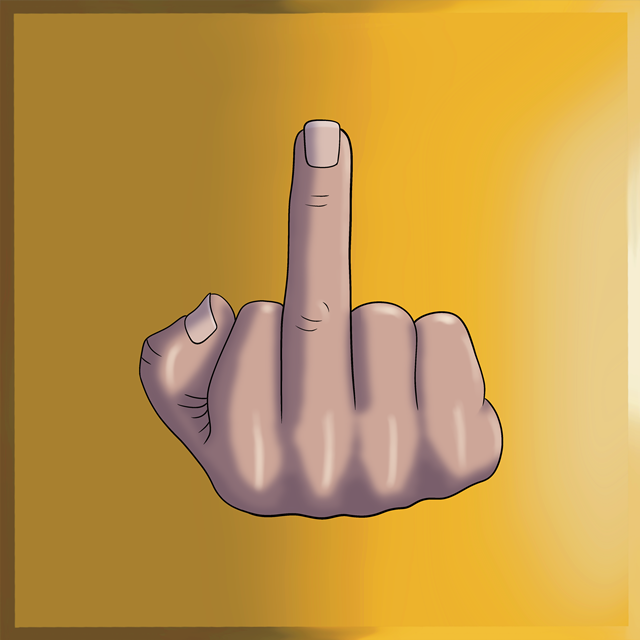
Definition: “Flipping off,” also known as “flipping the bird” or “giving the finger,” is a common obscene hand gesture used to express anger, disdain, or disrespect towards someone. Etymology: The exact origin of the gesture is unclear, but it has been used as a form of insult for centuries. Some trace its roots back to… Continue reading Flipping Off
Fig Sign
Definition: The “fig sign,” also known as “mano fico” (Italian for “fig hand”) or “figa,” is a gesture with multiple meanings, depending on the culture. In some cultures, it is used as an amulet or gesture to ward off evil spirits or bad luck. In other cultures, the fig sign is considered obscene and vulgar,… Continue reading Fig Sign
Dysphemism and Euphemism
Definition: A “dysphemism” is a derogatory or unpleasant term used instead of a more neutral or positive one. It is the opposite of a euphemism, which is a mild or pleasant term used in place of a harsh or blunt one. Dysphemisms are often used to insult, offend, or convey negative attitudes towards a subject.… Continue reading Dysphemism and Euphemism
Compound Word
Definition: A “compound word” is a word that is formed by combining two or more independent words to create a new word with a distinct meaning. Compound words can be written as a single word (closed compounds), with a hyphen (hyphenated compounds), or as separate words (open compounds). Etymology: The term “compound” comes from the… Continue reading Compound Word
Colloquialism
Definition: A “colloquialism” is a word, phrase, or expression that is used in informal, everyday language rather than in formal speech or writing. Colloquialisms often reflect regional or cultural speech patterns and can include slang, idiomatic expressions, and other informal language. Etymology: The term “colloquialism” comes from the Latin word “colloquium,” meaning “conversation” or “dialogue.”… Continue reading Colloquialism
Slang
Definition: “Slang” refers to informal, often transient language that consists of words and phrases regarded as very informal, more common in speech than writing, and typically restricted to a particular context or group. Etymology: The term “slang” has uncertain origins, but it likely originated in the mid-18th century. It may derive from the Scandinavian word… Continue reading Slang
Idiom
Definition: An “idiom” is a phrase or expression that has a figurative meaning different from the literal meaning of the individual words. Idioms are often culturally specific and can be difficult for non-native speakers to understand without context. Etymology: The term “idiom” comes from the Greek word “idioma,” meaning “special property” or “peculiarity,” which derives… Continue reading Idiom
Dialect
Definition: A “dialect” is a particular form of a language that is specific to a region, community, or social group. It encompasses distinct vocabulary, grammar, and pronunciation. Etymology: The term “dialect” comes from the Greek word “dialektos,” which means “conversation” or “way of speaking.” It entered English in the 16th century through Latin and French.… Continue reading Dialect
Cognates
Definition: “Cognates” are words in different languages that have a common etymological origin. They often have similar meanings and phonetic resemblances due to their shared linguistic ancestry. Etymology: The term “cognate” comes from the Latin word “cognatus,” which means “related by blood,” or “related by birth.” This is derived from “co-” meaning “together” and “gnatus”… Continue reading Cognates
Loanword
Definition: A “loanword” is a word adopted from one language and incorporated into another without translation. These words are borrowed and used directly in their original form, often with little or no modification. Etymology: The term “loanword” comes from the combination of “loan,” which means something borrowed, and “word,” indicating that it refers to borrowed… Continue reading Loanword
Buzzword
Definition: A “buzzword” is a word or phrase that becomes very popular for a period of time, particularly in a specific context such as business, technology, politics, or culture. Buzzwords are often characterized by their trendy or fashionable nature and are used to impress or persuade others, sometimes without a deep understanding of their meaning.… Continue reading Buzzword
Blend
Definition: A “blend” is a word formed by merging parts of two or more words, typically by taking the beginning of one word and joining it with the end of another. Blends are a type of portmanteau and are used to create new words that combine the meanings and sounds of the original words. Etymology:… Continue reading Blend
Portmanteau
Definition: A “portmanteau” is a linguistic blend of words in which parts of multiple words are combined into a new word. The new word often retains the meanings and sounds of its components. Etymology: The term “portmanteau” comes from the French word “portemanteau,” which means a suitcase or a coat rack. The original meaning of… Continue reading Portmanteau
Archaic Word and Neologism
Definition: An “archaic word” is a word that was once commonly used in a particular language but has since fallen out of everyday use. A “neologism” is a newly coined word, expression, or usage in a language. It can refer to entirely new words or new meanings for existing words. Etymology: The term “archaic” comes… Continue reading Archaic Word and Neologism
Anagrams
Definition: An “anagram” is a word, phrase or symbol formed by rearranging the letters, sounds, or symbols of another word, phrase or symbol, using all the originals exactly once. Etymology: The term “anagram” comes from the Greek words “ana,” meaning “back” or “again,” and “gramma,” meaning “letter.” The concept and the term have been used… Continue reading Anagrams
Acronym
Definition: An “acronym” is a type of abbreviation formed from the initial letters of a series of words and pronounced as a single word. Etymology: The term “acronym” derives from the Greek words “akron,” meaning “tip” or “end,” and “onyma,” meaning “name.” The term was first used in the 20th century, with its earliest recorded… Continue reading Acronym
Word
Definition: A “word” is a symbol that consists of a combination of letters with matching sounds, and symbolizes a meaning which can be used to construct sentences. Etymology: The word “word” comes from the Old English “word,” which has the same meaning as the modern English term. It is derived from the Proto-Germanic “*wurdan,” which… Continue reading Word
Sunglasses
Definition: “Sunglasses” are protective eyewear designed primarily to prevent bright sunlight and high-energy visible light from damaging or discomforting the eyes. They can sometimes also function as a visual aid, as variously termed spectacles or glasses exist, featuring lenses that are colored, polarized, or darkened. Etymology: Sun comes from Old English “sunne,” meaning the sun,… Continue reading Sunglasses
The Great Seal of the United States of America

Definition: “The Great Seal of the United States” is a national seal that symbolizes the authority and sovereignty of the federal government. Description: The Great Seal was adopted by the Continental Congress on June 20, 1782. The final design was created by Charles Thomson and William Barton, incorporating elements from earlier designs proposed by other… Continue reading The Great Seal of the United States of America
Authority
Definition: “Authority” refers to someone who determines others’ mandates and prohibitions. Etymology: The word authority originates from the Latin word “auctoritas,” which is composed of “auctor,” meaning creator, and “itas,” meaning condition. The word “creator” is the same word as God. God through religion is posed as the authority of the whole universe. The Bible:… Continue reading Authority
Flag
Definition: A “flag” is a piece of fabric, often rectangular or square, that is attached by one edge to a pole or rope. Etymology: The word “flag” comes from the Middle English word “flagge,” which likely has Scandinavian origins. It is related to the Old Norse word “flog,” meaning “a piece of cloth” or “a… Continue reading Flag
Banner
Definition: A “banner” is a long strip of cloth or other material, often bearing a symbol, slogan, or design, that is used for display or advertising purposes. Etymology: The word “banner” comes from the Old French word “baniere,” which is derived from the Late Latin “bandum,” meaning “a flag or standard.” The term has Germanic… Continue reading Banner
Insignia
Definition: An “insignia” is a badge or symbol that signifies rank, membership, authority, or achievement within hierarchical organizations or groups. Etymology: The word “insignia” comes from the Latin word “insignia,” which is the plural of “insigne,” meaning a mark or sign. The Latin term “insigne” is derived from “in-” (on) and “signum” (mark or sign),… Continue reading Insignia
Emblem
Definition: An “emblem” is a symbolic representation, often consisting of a design, picture, or object, that serves as a recognizable sign or mark of an idea, organization, nation, or individual. Etymology: The word “emblem” comes from the Middle French word “emblème,” which in turn comes from the Latin “emblema,” meaning “an inlaid or mosaic work.”… Continue reading Emblem
Seal
Definition: A heraldic or symbolic “seal” is an emblem or insignia used primarily for authentication and to signify authority, ownership, or identity. These seals often incorporate coats of arms, crests, or other symbolic designs that represent families, organizations, institutions, or individuals. Etymology: The word “seal” in Middle English was spelled as “seel” or “sele” and… Continue reading Seal
Scepter
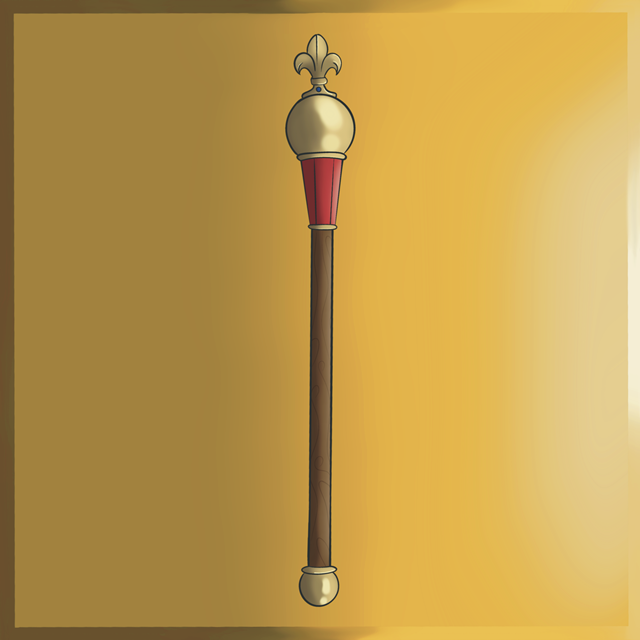
Definition: “Scepters” are ceremonial staffs held by rulers as a symbol of their authority and sovereignty. Etymology: The word “scepter” comes from the Latin “sceptrum,” which in turn is derived from the Greek “skēptron,” meaning “staff” or “baton.” This term has been used in English since the Middle Ages to denote a symbol of regal… Continue reading Scepter
Throne

Definition: A “throne” is a ceremonial chair or seat of state, often ornate and elevated, used by a sovereign or high-ranking religious leader as a symbol of authority and power. Etymology: The word “throne” comes from the Greek “thronos,” meaning a seat or chair of authority, which was adopted into Latin as “thronus” and into… Continue reading Throne
C
Definition: The letter “C” is the third letter of many alphabets, including but not limited to the modern English alphabet. Etymology: The letter “C” originates from the Phonecion the alphabet, which became the basis for several other alphabets, including the Greek alphabet (Beta), from which the Latin alphabet, and subsequently the modern English alphabet, developed.… Continue reading C
B
Definition: The letter “B” is the second letter of many alphabets, including but not limited to the modern English alphabet. Etymology: The symbol for the letter “B” originates from the Proto-Sinaitic alphabet. The alphabet evolved into phonecion the alphabet, which became the basis for several other alphabets, including the Greek alphabet (Beta), from which the… Continue reading B
A
Definition: The letter “A” is the first letter of many alphabets, including but not limited to the modern English alphabet. Etymology: The symbol for the letter “A” originates from the Proto-Sinaitic alphabet, where the symbol resembled the head of an ox. Today, the letter “A” looks like an upside-down ox head. Description: Saying “the A-word”… Continue reading A
Three (3)
Definition: The number “3” is the third natural number following “2” and preceding “4.” It represents a quantity of three units or objects. Etymology: The etymology of the number “3” traces back to Proto-Indo-European roots. The word “three” in English and its equivalents in many other languages can be traced back to the Proto-Indo-European root… Continue reading Three (3)
Two (2)
Definition: The number “2” is the second natural number and the smallest prime number. It represents a quantity of two or a pair. Etymology: The etymology of the number “2” traces back to Proto-Indo-European roots. The word “two” in English and its equivalents in many other languages can be traced back to the Proto-Indo-European root… Continue reading Two (2)
One (1)
Definition: The number “1” is the first and smallest natural number. It represents a unit, a single entity, or a quantity of one. In arithmetic, 1 serves as the multiplicative identity, meaning that any number multiplied by 1 remains unchanged. Etymology: The etymology of the number “1” traces back to Proto-Indo-European roots. The word “one”… Continue reading One (1)
Zero (0)
Definition: The number “0,” often referred to as “zero,” is a mathematical symbol that represents the absence of quantity or value. Etymology: The etymology of the number “0” traces back to the Sanskrit word “śūnya,” meaning “empty” or “void.” This concept of zero as an empty placeholder was later transmitted to Arabic as “sifr,” which… Continue reading Zero (0)
Hierarchy

Definition: “Hierarchy” is a structure that categorizes units or individuals based on relative levels of authority, power, or importance. Etymology: The word “hierarchy” originates from the Greek word “hierarkhia,” composed of “hieros,” meaning “sacred,” and “arkhein,” meaning “to rule” or “leadership.” It was first used in English in the 1500s and originally referred to the… Continue reading Hierarchy
V for Vendetta Mask

Description: “V for Vendetta mask,” also known as “The Guy Fawkes mask,” popularized by the graphic novel and film “V for Vendetta,” has been adopted by some anarchists and activists as a symbol of resistance against tyranny and oppression. The mask represents the idea of anonymous collective action and the power of ordinary people to… Continue reading V for Vendetta Mask
Molotov Cocktail
Description: The “molotov cocktail,” a crude incendiary weapon made from a glass bottle filled with flammable liquid and a cloth wick, has been used as a symbol of anarchist resistance and insurrection. It represents the idea of fighting back against oppressive regimes and institutions.
Riot Gear

Description: “Riot gear,” including masks, helmets, and gas masks, is sometimes used as a symbol of resistance and direct action. These items are often worn by anarchists and other activists during protests and demonstrations to protect against police repression and to signify defiance against state authority.
The Black Cat

Description: “The Black Cat,” also known as “The Black Cat of the industrial Workers of the World,” is a symbol of anarchism that dates back to the late 19th century. It became associated with anarchism during the Paris Commune of 1871 when anarchists adopted the black cat as a symbol of resistance. The black cat… Continue reading The Black Cat
Black Flag

Definition: A “black flag” is a prominent symbol of anarchism. Description: The black flag is often displayed at protests, demonstrations, and other events as a symbol of resistance and solidarity. The black flag has historically been associated with anarchist movements and has been used to represent opposition to state power and capitalism.
Solidarity Fist

Description: The “solidarity fist,” also known as the “raised fist” or “clenched fist,” is a symbol of unity, strength, and solidarity. It has been used by various social justice movements, including anarchism, to represent collective resistance and the struggle for justice and equality.
Symbolism
Definition: A “symbol” is a pattern with an association. Etymology: The word “symbol” traces its origins back to the Greek word “symbolon,” which referred to a token or sign of identification, such as a seal or a coin, used in ancient Greece and Rome. The term “symbolon” was derived from the verb “symballein,” meaning “to… Continue reading Symbolism
Etymology
Definition: “Etymology” refers to the study of the origins and historical development of words, including their meanings, forms, and relationships with other words. Etymology: The word “etymology” originates from the Greek word “etymologia,” which combines “etymon,” meaning “true sense,” and “logia,” meaning “study of.” Description: Etymology involves tracing the history of words back to their… Continue reading Etymology
Definition
Definition: A “definition” is a clear and precise description or explanation of the meaning, nature, or characteristics of a term, an object, an idea, or an action. Etymology: The word “definition” originates from the Latin word “definitio,” which is derived from the verb “definire,” meaning “to limit” or “to determine.” Description: The most important thing… Continue reading Definition
Chemoreceptive Language
Definition: “Chemoreceptive language” refers to the communication system used by organisms to perceive and interpret chemical signals in their environment. Etymology: The term “chemoreceptive” can be broken down into two parts: The prefix “chemo-” comes from the Greek word “χημεία” (khemeia), meaning “alchemy” or “chemistry.” In modern usage, “chemo-” typically refers to chemicals or chemistry-related… Continue reading Chemoreceptive Language
Web of Language
Description: Religion works like a network in the brain. At the center of the web is the concept of God’s existence. In every cross of the web around the word God is a word that keeps faith in God alive. To convince a theist that God does not exist, one must be able to flip… Continue reading Web of Language
Eye

Definition: The “eye” is a complex sensory organ responsible for vision. It detects light and converts it into electrochemical signals, which are then processed by the brain to produce images. Eyes are crucial for perception, allowing organisms to navigate and interact with their environment. Etymology: The word “eye” comes from the Old English “ēage,” which… Continue reading Eye
Anarchy
Definition: “Anarchy” means “without authority.” Etymology: The word “anarchy” derives from the Greek word “anarkhia,” which combines “an,” meaning “without,” and “arkhos,” meaning “ruler” or “authority.” Thus, “anarkhia” literally translates to “without ruler” or “without authority.” Description: Anarchy is a concept often associated with the absence of government or centralized authority. In an anarchic society,… Continue reading Anarchy
Religion
Definition: “Religion” is a structured collection of lies designed to limit our thinking by manipulating language. Etymology: The word “religion” originates from the Latin word “religio,” which has several proposed meanings, including “reverence for the gods,” “conscientiousness,” or “scrupulousness.” Another proposed root of the word “religion” is the Latin verb “religare,” meaning “to bind” or… Continue reading Religion